


Top-rated drywall pros.

Get matched with top drywall pros in Buckley, WA

Enter your zip and get matched with up to 5 pros

Need a pro for your drywall service project in Buckley, WA?

Select your specific project to find the pro for you.

TRUSTED BY BUCKLEY, WA HOMEOWNERS

  • Average homeowner rating star icon4.7
    Average homeowner rating
  • Verified reviews icon43
    Verified drywall services reviews

Find Drywall pros in Buckley

Avatar for E B Enterprises
E B Enterprises
4.5(
132
)
Drywall - RepairDrywall - Repair - For Business

Serving Buckley, WA and surrounding areas

Approved

Super Service Award Winner

In business since 1993

Free estimates

Warranties offered

"Eric of EB Enterprises provided excellent service to meet our specific needs. He actually came in person to understand our drywall project and provide a fair, accurate bid rather give us a generic bid via phone or email. That made all the difference. They were able to begin and complete the job within the same week as the bid. We are highly satisfied with the results."
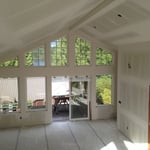
Jobsite EB Enterprises 253 335-5599
 lived in addition
 EB Enterprises Drywall
Jobsite EB Enterprises 253 335-5599

+9

Response time5 hrs
42 neighbors recently requested a quote
Recommended by94%of homeowners
Near Me Roofing Company
5.0(
74
)
Drywall - RepairDrywall - Repair - For Business

Serving Buckley, WA and surrounding areas

Approved

In business since 2012

Free estimates

Credit card accepted

"I was very happy that I have chosen Near Me Roofing Company for my roof restoration job. The job was done as per quoted with no spills and thrills and now I don't have to worry about a leaking roof. The price was reasonable for the quality of the repairs and fixes completed. Thank you Elijah and the team for the great roof restoration work."
Response time4 days
Recommended by80%of homeowners
Handy Daddy
4.9(
8
)
Drywall - Repair

Serving Buckley, WA and surrounding areas

Approved

In business since 1994

Free estimates

Emergency services offered

"Jeff was an absolute marvel! We were preparing to sell our home and needed a finished storage room, drywall, paint, and carpet (his specialty), along with a lot of finishing work. Jeff was reliable, meticulous, honest, and the pricing was very fair. We were able to sell our home in just three days! We couldn’t have done it without Jeff. Thank you so much!"
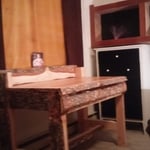
Big Desk
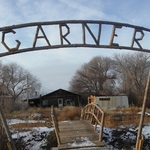
Custom bridge
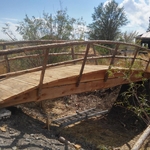
Custom bridge
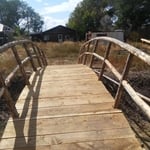
Custom bridge
Response time10 mins
Response rate100%
4 neighbors recently requested a quote
...
Showing 1-10 of 155
Drywall questions, answered by experts

All plaster walls will crack over time due to normal house settling and expansion and contraction from temperature and moisture changes. Small, thin hairline cracks are generally not serious and are mostly a cosmetic issue. However, larger or more significant cracks can indicate structural problems.

Here's how to tell the difference:

  • Cosmetic Cracks: Cracks that are 0.5 cm (0.2 inches) or thinner are typically cosmetic.

  • Structural Cracks: Cracks wider than 0.5 cm, excessive or deep cracks, multiple cracks in the same area, or cracks that span around corners can signify a structural or foundation issue. Cracks along the joints where walls meet the ceiling also warrant attention.

For cracks wider than 0.5 cm, structural repair is needed. If a crack is 2.5 cm (1 inch) or wider, or if you notice any signs of a structural problem, it is best to contact a plaster repair professional to assess the damage.

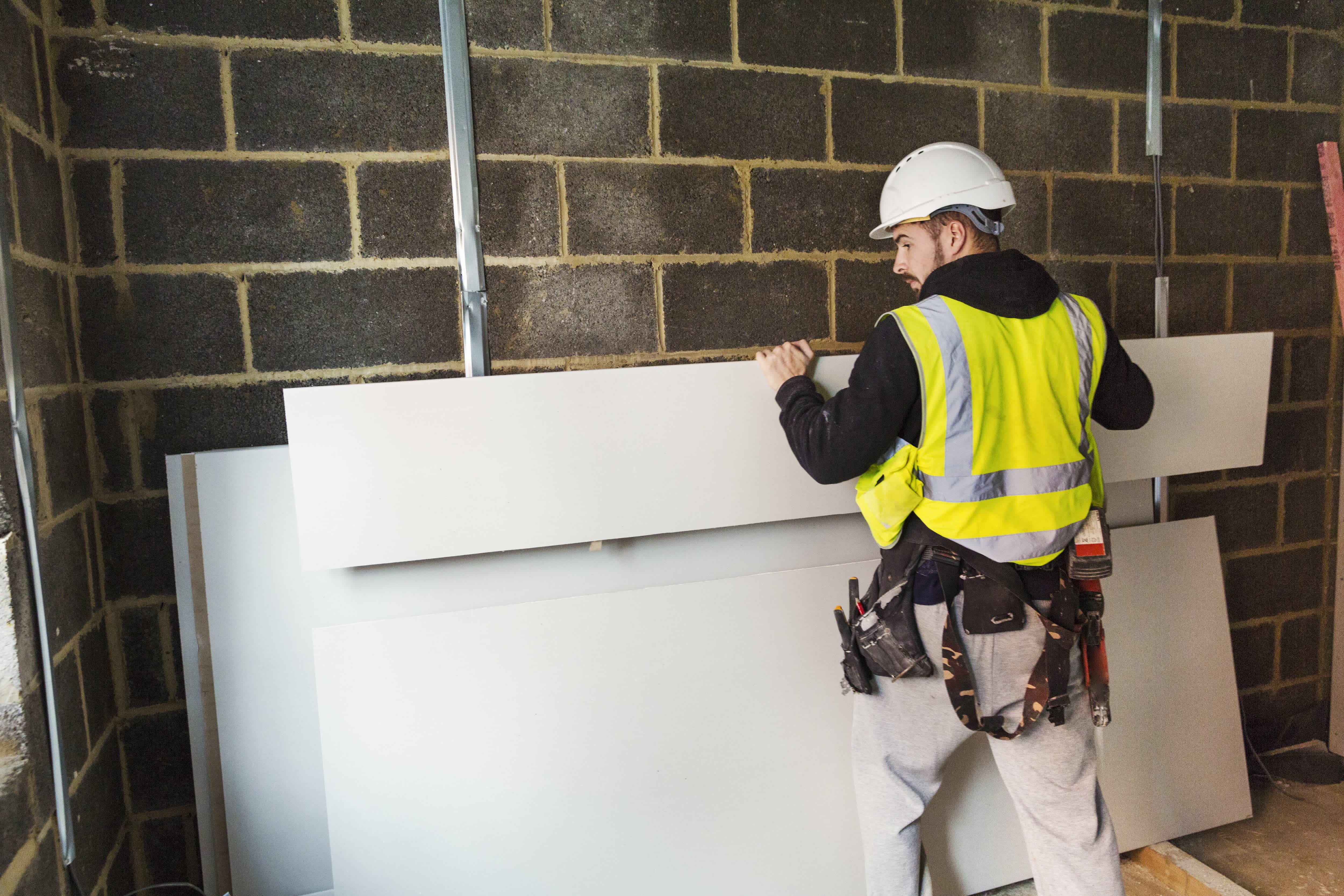
You should always hang drywall from the top down. Starting at the top makes it easier to create a straight, tight line between the ceiling and the wall. Any gaps that occur will be at the bottom, where they are easier to manage. You can either cut the bottom piece of drywall to fit the remaining space or cover the gap with baseboard trim. Additionally, starting at the top is physically easier, as you won't have to fit the top sheet into a tight space between the lower sheet and the ceiling, or try to balance the upper sheets on the lower ones while securing them.

Although they have similar applications, spackle and joint compound are not the same. Their primary differences lie in their composition, consistency, and ideal use cases.

Spackle is composed of gypsum and binding agents, making it thicker than joint compound. It dries quickly and is easy to sand, which makes it ideal for small wall repair projects like filling nail holes or patching minor damage.

Joint compound, also known as drywall mud, consists of limestone and gypsum. It is primarily used for large-scale projects, such as taping and finishing the seams on newly installed drywall. It tends to shrink more than spackle and can be more difficult to spread.

While both products can be used to fill small depressions and cracks, spackle cannot replace joint compound for taping and mudding new drywall. Conversely, you can often use joint compound for small patching jobs typically done with spackle.

You should wait at least 24 hours for drywall mud to dry before sanding or applying another coat. However, the exact drying time depends on several factors, including the thickness of the application, room temperature, humidity, and the type of compound used. Thicker layers, or projects in high humidity, may require 48 hours or more. Lightweight compounds tend to dry faster than heavier, all-purpose ones. You'll know the mud is ready when it feels completely dry and firm to the touch and has changed to a consistent light color. Sanding too early can cause smudging or gouges, so patience is essential for a smooth finish.

Through expert matching of texture and paint for an invisible repair.

The Buckley, WA homeowners’ guide to drywall services

From average costs to expert advice, get all the answers you need to get your job done.