






Top-rated electricians.

Best electricians near Eden, VT

Enter your zip and get matched with up to 5 pros

Need a pro for your electrical service project in Eden, VT?

Select your specific project to find the pro for you.

TRUSTED BY EDEN, VT HOMEOWNERS

  • Average homeowner rating star icon5
    Average homeowner rating
  • Verified reviews icon11
    Verified electrical services reviews

Top-Rated Electricians in Eden - Updated Nov 2026

Avatar for Michael J. Electric
Michael J. Electric
4.3(
42
)
Electrical Wiring or Panel UpgradeElectrical Wiring or Panel Upgrade - For Business

Serving Eden, VT and surrounding areas

Approved

In business since 2004

Free estimates

Emergency services offered

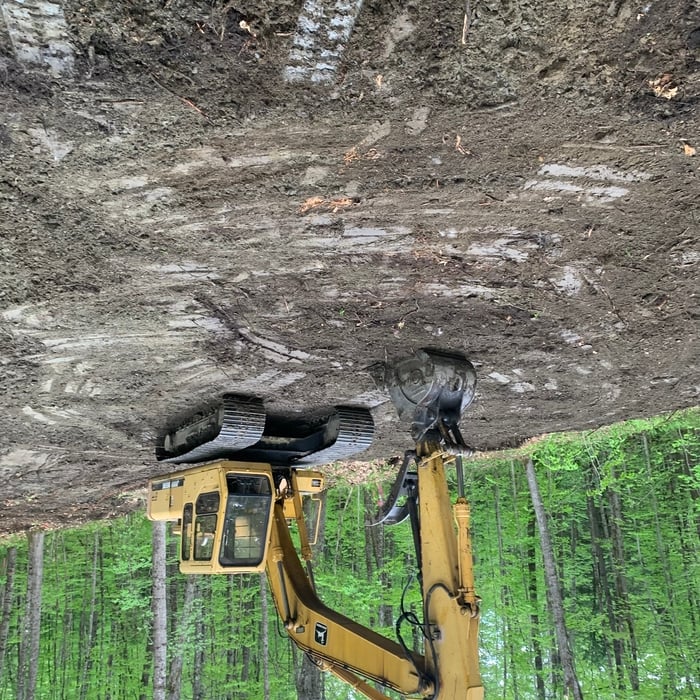
"They were prompt and professional from start to finish. Mike offered us suggestions that made a lot more sense then the prior two electricians that had worked on the same problem. Because of Mike we were able to eliminate the power pole in the middle of our back yard. It looks to wide open now. We can't thank him enough for everything he did for us."
Response time7 hrs
Response rate92%
Recommended by83%of homeowners

Avatar for M.L. & Sons Electric
M.L. & Sons Electric
5.0(
1
)
Fixed Generator - InstallElectric Vehicle Charging Station Installation - For Business - Materials Provided by ConsumerElectric Vehicle Charging Station Installation - Materials Not Provided+15 more

Serving Eden, VT and surrounding areas

Approved

In business since 2018

Free estimates

Small jobs welcome

"Milton was amazing. He quickly discovered the causes and solutions to our electrical problems. He is extremely knowledgable, professional, personable and kind. He is enthusiastic about his work and has great energy. He is also affordable- which is a rare thing these days. We are looking forward to seeing him soon to do further work for us."
Response time3 days
1 neighbors recently requested a quote
Showing 1-10 of 36
Electrical FAQs, answered by experts

Yes, if something sparks when you plug it in or turn it on, it's important to unplug it immediately. A spark from an electrical appliance or device could indicate a short circuit, damaged wiring, or other electrical problems that could cause electrical fires or electrical shock. By unplugging the appliance, you can reduce the risk of electrical hazards and prevent damage to the device itself. It's important to avoid using the appliance until it has been inspected and repaired by a licensed professional to ensure that it’s safe to use.

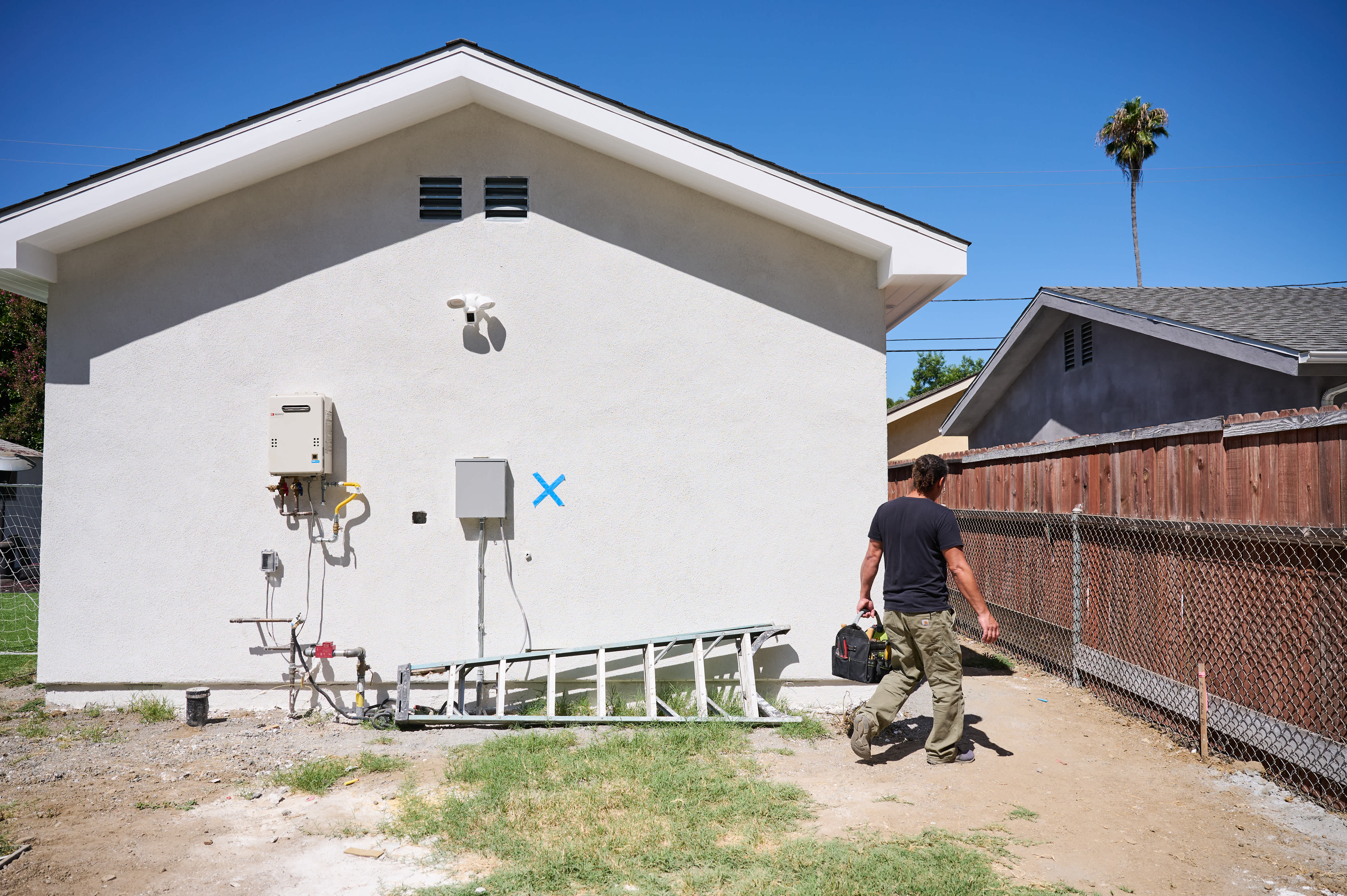
Running conduits through an exterior wall is an effective method for powering outdoor spaces. From gardens to sheds to garages and more, it can be important to have electricity outdoors. Using conduit, which safely covers wires outdoors, is an easy way to get power where homeowners need it.

Yes, hot tubs can use a significant amount of electricity, primarily to keep the water heated. A typical hot tub uses between 1,500 and 6,000 watts, and the pump can add another 1,500 watts. This usage can result in a monthly cost of around $20 to $30. The exact amount of electricity consumed depends on several factors, including the hot tub's age, size, heater voltage (120V vs. 240V), usage habits, and thermostat setting. Newer, energy-efficient models generally use less power than older ones. To reduce electricity costs, consider investing in an energy-efficient model, using a quality insulated cover with a thermal blanket, and keeping the filters clean.

While washers and dryers do not require a GFCI (ground fault circuit interrupter) outlet to function properly, electrical codes often mandate their use for safety. The National Electrical Code (NEC) requires GFCI protection for all outlets within six feet of a water source. This means a washer and dryer must be plugged into a GFCI outlet if they are installed in locations like a laundry room, utility room, garage, or basement. In other areas without a nearby water source, there is no specific requirement, but using a GFCI outlet is still recommended for extra peace of mind. It is always best to consult your local codes and regulations to ensure compliance and safety.

Some portable cooktops are compatible with standard 120-volt outlets, but most induction (and electric) ranges and stoves need a dedicated 220- or 240-volt circuit and 40 to 50 amps to work. If you are replacing an old electric range with an induction one, you likely already have the proper outlet, but it’s worth checking with a local appliance installation company.

The Eden, VT homeowners’ guide to electrical services

From average costs to expert advice, get all the answers you need to get your job done.