





Top-rated paving pros.

Get matched with top paving pros in Lexington, VA

Enter your zip and get matched with up to 5 pros

Need a pro for your paving service project in Lexington, VA?

Select your specific project to find the pro for you.

Find Paving pros in Lexington

Avatar for Hudson's Home Repair & Painting
Hudson's Home Repair & Painting
4.6(
39
)
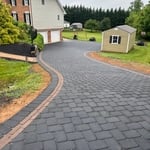
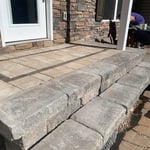
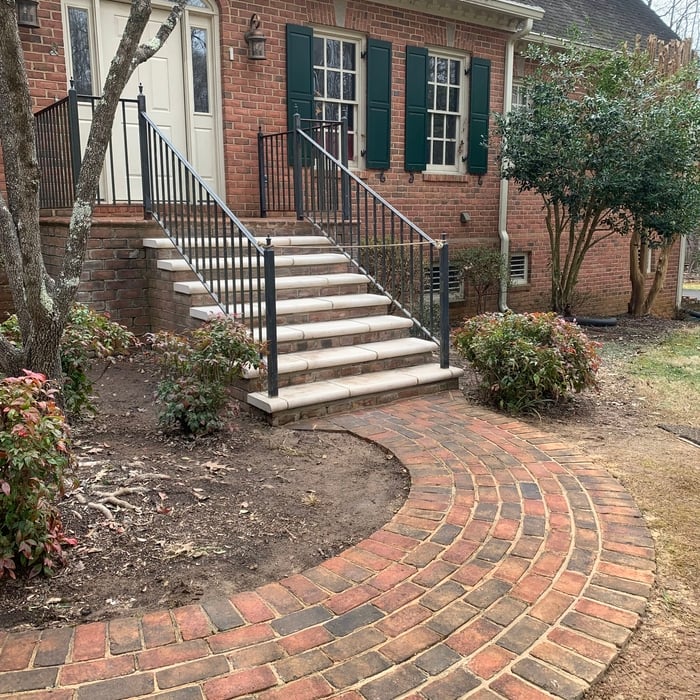
Interlocking Pavers for Patios, Walks & Steps - Install

Serving Lexington, VA and surrounding areas

In business since 2007

"Work Randy's done has been excellant. The only problem for me, is that he has a very busy schedule and has to fit work on my house in when he has the chance. Based on work done so far I'd highly recommend him. In fact, I have.
Pete Johnston
"
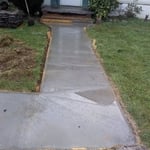
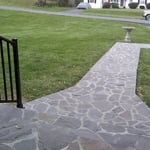
Before
During
Finish
Befor
Half Way

+2

Recommended by96%of homeowners
Extreme Design Group Inc.
5.0(
6
)
Asphalt Paving - InstallAsphalt Paving - Install- For BusinessAsphalt Paving - Repair or Patch - For Business

Serving Lexington, VA and surrounding areas

In business since 2001

Free estimates

Credit card accepted

"Extreme Design showed up and did an excellent job. Very knowledgeable & competitive price. I’d call them again they showed up when they said they would and completed the job on time. Unlike a lot of other contractors."
Concrete - Pouring & Repair Project
Driveways - Concrete Project
Concrete - Pouring & Repair Project
Recommended by100%of homeowners
Save to Pave, LLC
5.0(
1
)
Gravel or Loose Fill Paving - Install, Spread or Scrape

Serving Lexington, VA and surrounding areas

In business since 2019

Free estimates

Offers commercial services

We pride our company on reliability, great communication, integrity, and quality work. We are experts in our trade and will do our best to keep you as educated as we can on your particular task or project. We look forward to earning your business! Book with us online or feel free to give us a call today!

Response time10 mins
Recommended by100%of homeowners
Showing 1-10 of 19
Paving Services questions, answered by experts

Think of the street as a way to capture all the elements on either side of the road, including the road—a street encompasses the homes or other buildings, the trees, and the road of a given area as defined by the beginning and end of the street on a map. A roadway, however, is the component of the street where cars travel.

In most cases, you don’t need a permit to repave your driveway, although some exceptions exist. If you’re widening your driveway and plan on widening the apron as well, you’ll usually need a permit from the Department of Transportation in your area. This permit costs between $50 and $300 in most cases. Most municipalities will also require a certified and insured contractor do the work relating to the apron and curb cut. You can contact your building department or ask your paving company if you need a permit. Your driveway professional will usually pull the permit for you.

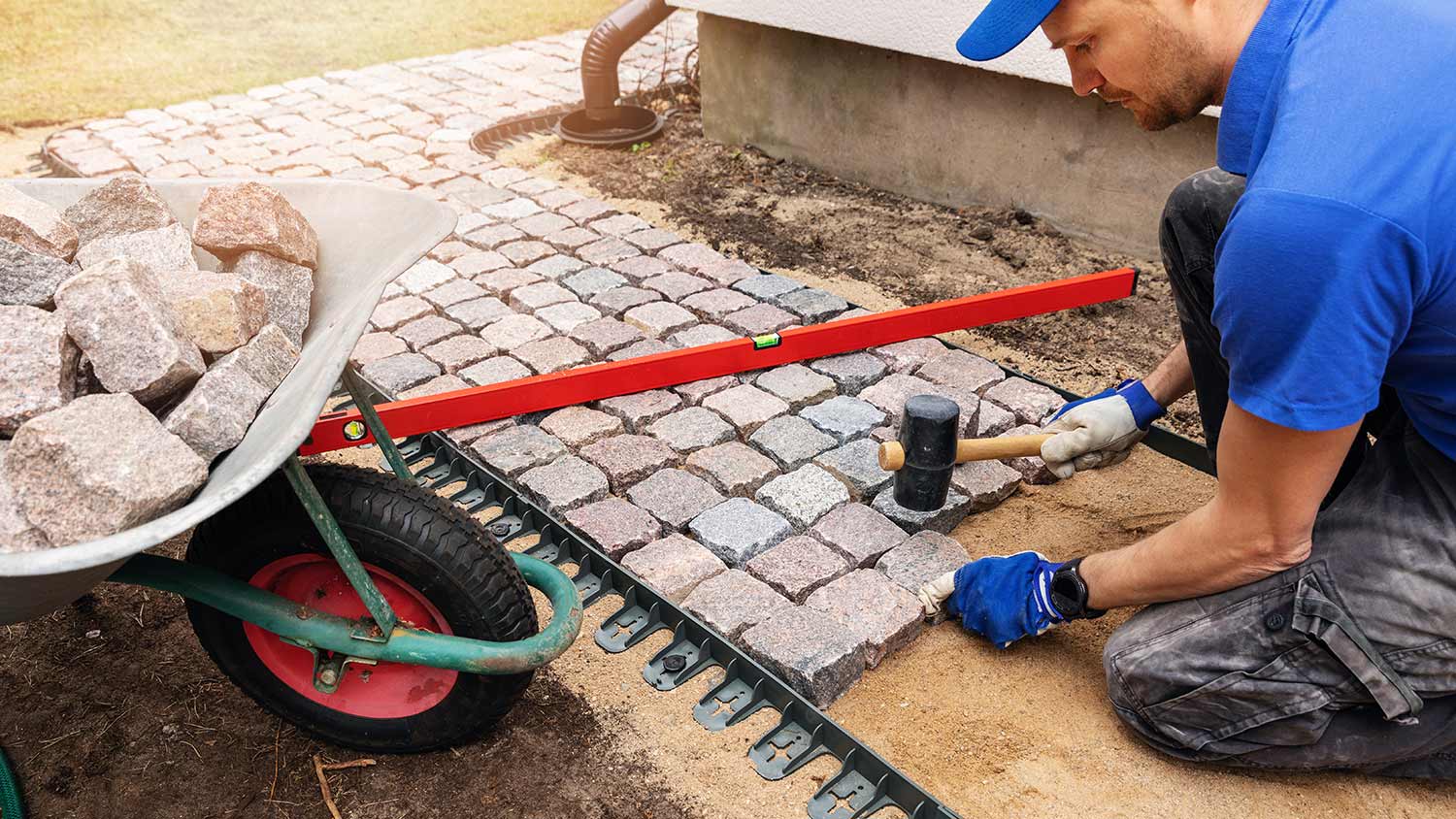
You’ll first need to install a base underneath your pavers for extra stability and drainage. Otherwise, the pavers can sink into the ground, and you’ll have to reinstall them. Use a base gravel layer of 4 to 6 inches for walkways and 10 to 12 inches for driveways. Compact your gravel layer every 2 to 4 inches so it’s nice and solid. After you install your gravel base, apply a 1-inch layer of sand on top.

The dimensions of a driveway apron vary based on local building codes, the width of your driveway, and the distance between the driveway and the road. On average, aprons range from 12 to 24 feet wide and 8 to 18 feet long. Typically, the end of the apron connected to the driveway matches its width—such as 10 to 12 feet for a single-car driveway—while the end at the street flares out to allow cars to turn in and out more easily. In some areas, you may not be responsible for the portion of the apron that extends beyond the sidewalk, but this depends on local laws.

Wet cutting is usually the preferred method. It controls dust, which helps protect your lungs and makes for a cleaner working environment. Plus, the water cools the blade, preventing overheating and prolonging its life while providing smoother, more precise cuts. The downside is the mess—water and asphalt sludge can be messy to clean. Dry cutting, though convenient if water isn’t available, creates a lot of dust, which can be harmful. This also increases the risk of blade damage due to overheating. So, if you have the option, wet cutting is the better method for most asphalt jobs.

The Lexington, VA homeowners’ guide to paving services

From average costs to expert advice, get all the answers you need to get your job done.