


Top-rated excavation pros.

Get matched with top excavation pros in Lexington, VA

Enter your zip and get matched with up to 5 pros

Need a pro for your excavation project in Lexington, VA?

Select your specific project to find the pro for you.

Find Excavation pros in Lexington

Avatar for Good Groundworks
Good Groundworks
New to Angi

Serving Lexington, VA and surrounding areas

Free estimates

Small jobs welcome

Credit card accepted

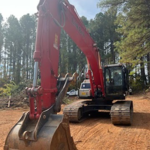
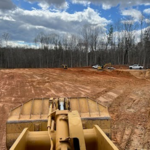
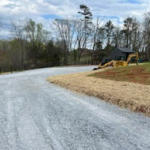
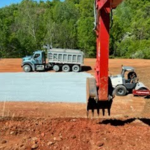
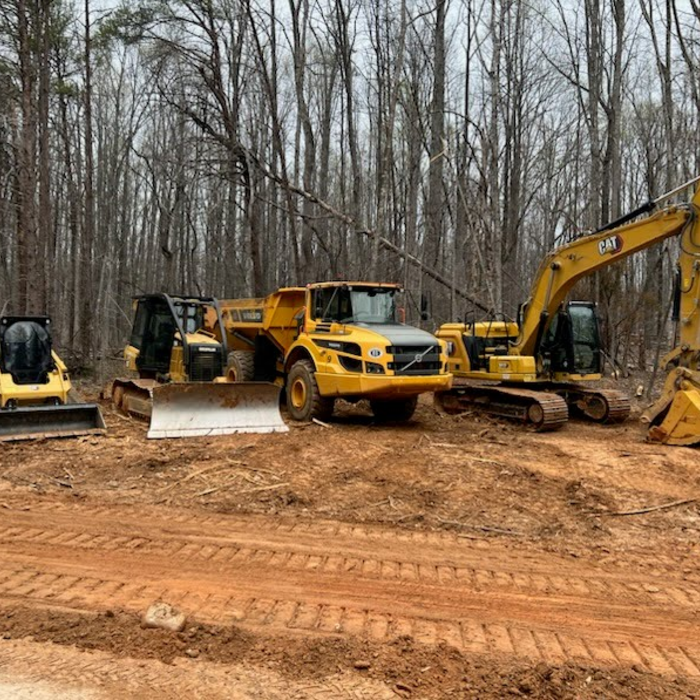
We specialize in providing professional excavation services that are reliable, efficient, and tailored to meet your project needs. With a commitment to quality and safety, Good Groundworks is your trusted partner in Lynchburg and surrounding areas.

Showing 1-10 of 12
Excavating questions, answered by experts

You should dig 3 to 6 inches deep for plastic edging. Dig as wide as you need to fit your plastic edging into it—2 inches is usually sufficient.

Most states do not require excavation companies to hold specific licenses, but many require at least a contractor’s license. Additionally, heavy equipment operators require a special commercial equipment license to operate machinery required for excavation. You can use Angi’s contractor licensing tool to confirm that an excavation company you’re considering hiring is fully licensed. You should also make sure that the excavation team is fully insured before allowing them to work on your property.

The rules and regulations regarding groundwater use vary between states. To find out if you can dig a well on your property, you’ll have to consult these regulations, address any compliance requirements, and get the appropriate permits. It’s also important to check that your intended location has the right geology and water table to support a well.

Whether you grind or dig up and remove your tree stump depends on your landscaping goals. Using a stump grinder leaves the root system in place for it to decompose over time, whereas digging up the tree stump removes the roots and the stump. Overall, stump grinding is a far simpler process since you won’t need to deal with the roots. Stump removal will make your yard look like a demolition site, but you’ll have an easier time replanting in the same place as your former tree.

The best type of soil to build on is a mixture of sand and clay, known as loam soil. Loam soil has the best combination of these soil types to build a foundation on. The clay particles help with water retention, so it won’t erode like sandy soil might, and the sandy particles help with drainage, so you won’t see unsafe soil expansion or have an increased risk of leaks from water sitting against your foundation.

The Lexington, VA homeowners’ guide to excavation services

From average costs to expert advice, get all the answers you need to get your job done.