



Top-rated excavation pros.

Get matched with top excavation pros in Amherst, VA

Enter your zip and get matched with up to 5 pros

Need a pro for your excavation project in Amherst, VA?

Select your specific project to find the pro for you.

Find Excavation pros in Amherst

Apex Earthworks
New to Angi

Serving Amherst, VA and surrounding areas

Apex Earthworks is a trusted leader in professional excavation services, delivering precision, reliability, and results on every project. With a commitment to quality craftsmanship and safety, the company specializes in site preparation, grading, land clearing, and foundation work for both residential and commercial clients. Backed by experienced-licensed and insured operators and modern equipment, Apex Earthworks approaches each job with efficiency and attention to detail, ensuring projects are completed on time and built on a solid foundation. When it comes to moving earth with confidence and expertise, Apex Earthworks sets the standard.

Avatar for CR Edwards LLC
CR Edwards LLC
New to Angi

Serving Amherst, VA and surrounding areas

In business since 1995

My experience in excavating, clearing lots, digging basements, and putting in driveways roads. We guarantee your satisfaction, and we won’t leave until the job is done right. We pride ourselves on the quality work we provide, while delivering great customer service! Check out our services offered and call to schedule an estimate today!

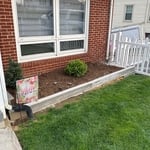
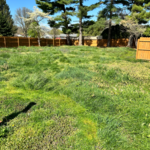
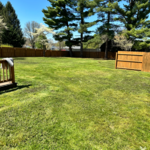
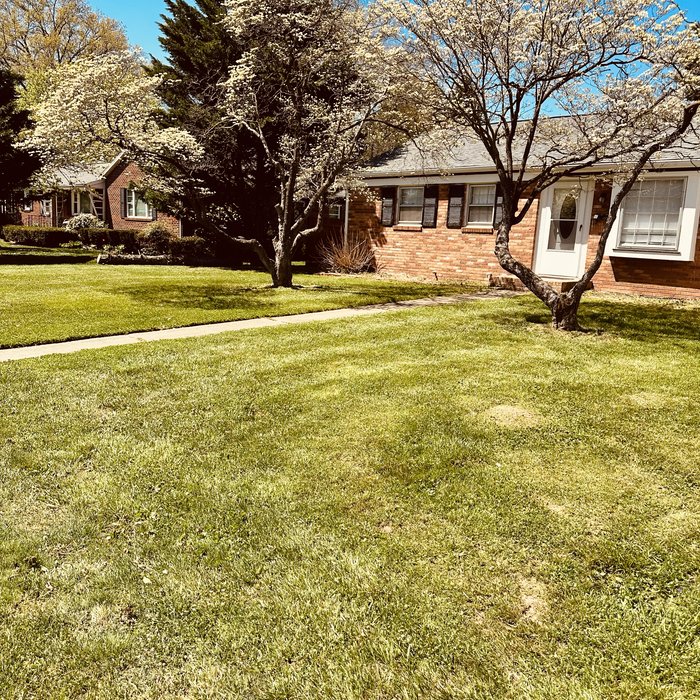
Additional Photos
Additional Photos
Additional Photos
Additional Photos
Additional Photos

+1

Avatar for Good Groundworks
Good Groundworks
New to Angi

Serving Amherst, VA and surrounding areas

Free estimates

Small jobs welcome

Credit card accepted

We specialize in providing professional excavation services that are reliable, efficient, and tailored to meet your project needs. With a commitment to quality and safety, Good Groundworks is your trusted partner in Lynchburg and surrounding areas.

Showing 1-10 of 18
Excavating questions, answered by experts

Consultation with the local government helps identify necessary permits, avoid project delays or legal issues, and protect project integrity.

Septic drain lines (or leach lines) are typically buried between 18 and 36 inches underground, and should be at least 6 inches below the surface. These pipes are perforated and surrounded by filtering materials like sand or gravel. Burying the lines at this depth helps minimize odors and allows bacteria and other biological processes in the soil to effectively treat the wastewater. Burying lines too close to the surface can cause issues unless the soil is very compact and stable.

The best way to protect tree roots is to avoid the roots entirely by excavating outside the root radius of the tree. For nearby projects, it’s a good idea to construct a temporary retaining wall. But that’s not always possible, depending on the project and the root system. In these cases, consider using alternative equipment like an auger to tunnel under the ground.

Remember, tree roots can damage nearby cement foundations as they grow. If a tree is close enough to interfere with large excavations, it may be better to remove the tree than risk future problems.

Call 811 to locate and mark the gas lines at least three days before digging. In many areas, you can dig within 18 inches of the lines, though in some locations, the distance may be further. Check local regulations, as you may need a utility company representative onsite when digging. Document your calls to 811 and precautions taken to avoid gas lines. A homeowner can be held liable for hitting a gas line in some cases, but contacting the proper authorities and following all guidelines can offer protection.

Trenching and boring are two distinct methods for installing underground utilities. Trenching involves digging a channel using equipment like an excavator, trencher, backhoe, or shovel. While it is a simpler process, it causes significant disruption to the surface, landscaping, and surrounding ecosystems.

Boring, also known as directional boring, is a less invasive alternative that uses a drill to create a tunnel for utility lines without disturbing the surface. This method is more precise and is ideal for installations that need to go underneath buildings, roads, or bodies of water. Although boring is less disruptive, it is generally more expensive than trenching.

The Amherst, VA homeowners’ guide to excavation services

From average costs to expert advice, get all the answers you need to get your job done.