



Top-rated radon detection and reduction specialists.

Get matched with top radon detection and reduction specialists in Hanover, VA

Enter your zip and get matched with up to 5 pros

Need a pro for your radon detection and reduction project in Hanover, VA?

Select your specific project to find the pro for you.

Find Radon detection and reduction specialists in Hanover

Avatar for TOPS RADON
TOPS RADON
5.0(
8
)

Serving Hanover, VA and surrounding areas

Approved

In business since 2025

Free estimates

Offers commercial services

"Our radon system had become inoperable. Tops was able to repair the system and getting everything up and running quickly and efficiently. I highly recommend Tops!"
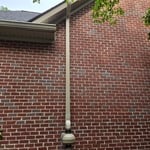
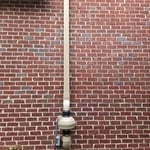
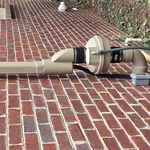
External fan
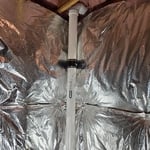
Mitigation system
Mitigation system
Mitigation system
Response time2 days
1 neighbors recently requested a quote
Avatar for HomeTeam Inspection Service of South Richmond
HomeTeam Inspection Service of South Richmond
5.0(
5
)

Serving Hanover, VA and surrounding areas

In business since 2021

Small jobs welcome

Credit card accepted

"On time, pleasant helpful. Shared the review with us and showed us, where possible, what they found. Showed pictures of parts we couldn't see under the crawl space. They both appeared very competent."
Response time8 hrs
Recommended by80%of homeowners
Radon Detection and Reduction questions, answered by experts

The cost for a radon mitigation system typically ranges from $800 to $1,500, with an average around $1,000. The final price depends on several factors, including the size of your home, the severity of the radon issue, and the type of system required. Your home's foundation type also significantly impacts the cost. For example, sealing and ventilating an unfinished basement might cost around $4,600, while encapsulating a crawl space without a foundation slab can range from $1,500 to $15,000.

Ideally, no one will live in a house with elevated radon levels, as prolonged exposure increases the risk of serious health issues like lung cancer. However, homes with radon can be made safe through mitigation systems, such as active soil depressurization. Testing for radon regularly and addressing high levels helps ensure a safe living environment.

A homeowner can install a radon mitigation system on their own. But it’s a challenging DIY that requires a lot of knowledge about radon mitigation as well as familiarity with local regulations. You do not want to risk an improper installation that leaves the system unable to detect radon or gives it a shortened life span. Relying on a professional is the surest way to guarantee a successful installation.

No level of radon is technically safe, but since it is present everywhere, complete avoidance is impossible. The average radon level in homes across the United States is 1.3 picocuries per liter (pCi/L). The Environmental Protection Agency (EPA) recommends taking preventative measures if your home's radon levels are between 2 and 4 pCi/L or higher.

The natural breakdown of uranium in soil, rock, and water can cause radon to appear in a home. The gas seeps into homes through cracks in foundations, walls, or floors, as well as through gaps around pipes or construction joints. Radon levels are influenced by soil composition, building materials, and ventilation. Poorly sealed or airtight homes can trap radon, allowing it to accumulate.

The Hanover, VA homeowners’ guide to radon detection and reduction services

From average costs to expert advice, get all the answers you need to get your job done.

What do you need done? We’ll find top pros.
  • 🌱 "Mow a small front yard"
  • 🛠 "Fix a leaking pipe under the sink"
  • 🏠 "Repair shingles on an asphalt roof"