







Top-rated radon detection and reduction specialists.

Get matched with top radon detection and reduction specialists in Beaverdam, VA

Enter your zip and get matched with up to 5 pros

Need a pro for your radon detection and reduction project in Beaverdam, VA?

Select your specific project to find the pro for you.

Find Radon detection and reduction specialists in Beaverdam

Avatar for All States Air Duct Pro
All States Air Duct Pro
3.1(
236
)
Radon Gas - AbatementRadon Gas - Testing

Serving Beaverdam, VA and surrounding areas

In business since 1995

Free estimates

Emergency services offered

"We had had a new kitchen put in and then a year later, we had had our kitchen floor redone and basement repaired after a flood in our house.  Water from our washer had flooded the kitchen and laundry room and then flowed through the floor into the basement theater room and rec room.  We had to have a new (porcelain) tile floor put in upstairs and new paint and carpeting throughout the basement.   The work for the new kitchen and then the flood required a huge amount of sanding, spackling and more sanding...etc. The dust in our house was a big problem afterwards from the spackle dust that accumulated  in our ducts.  We decided to have our ducts cleaned and found All States on Angie's list.   It went great!  They were on time, conversant about the state of our ducts.  They did the job.  I have noticed that the air is better in the house and we have much less dust on furniture!  Very happy with their services and I would definitely hire them again.
"
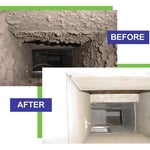
Before & After Air Duct Cleaning
Recommended by49%of homeowners
Radon Detection and Reduction questions, answered by experts

Options include sub-slab depressurization, crawlspace ventilation, and sealing cracks. Choose based on home construction and radon levels.

Many radon fans carry a five-year manufacturer's warranty. That said, your radon fan should last between five and ten years. Regular inspections will ensure the fan is operating properly. Unusual or exceptional noise coming from the fan or indications on your manometer or system monitor can immediately tell you that something is amiss.

The soil beneath your house is most likely what’s causing an increased level of radon. This is because soil holds radioactivity for a long time and it’s also what most buildings are built on. Another common source of radon is water from a source that hasn’t been through periodic radon tests, such as well water. Over time, the radon from the soil can inhabit other parts of your house like the foundation or plumbing.

Your radon fan needs to operate 24/7 to be effective. The only time the fan isn't operating is during its replacement. Radon levels in the home can increase within hours if the fan stops working or something obstructs the stack vent. Fortunately, radon systems require no downtime maintenance between fan changes.

The average radon mitigation system uses about 876 kWh of electricity per year, although the exact amount of electricity used will vary depending on the size of the radon fan. Once the system is installed, the annual increase to your energy bill could range from $30 to $300 per year, again depending on the size of the fan.

The Beaverdam, VA homeowners’ guide to radon detection and reduction services

From average costs to expert advice, get all the answers you need to get your job done.