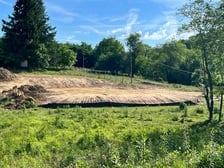





Top-rated excavation pros.

Get matched with top excavation pros in Glen Lyn, VA

Enter your zip and get matched with up to 5 pros

Need a pro for your excavation project in Glen Lyn, VA?

Select your specific project to find the pro for you.

Find Excavation pros in Glen Lyn

Avatar for Dig Big LLC
Dig Big LLC
New to Angi
Excavation - Major Grading or ReslopingExcavation - Major Grading or Resloping - For Business

Serving Glen Lyn, VA and surrounding areas

Approved

In business since 2023

Free estimates

Emergency services offered

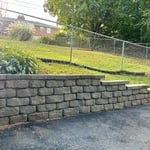
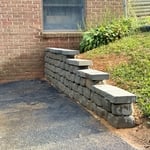
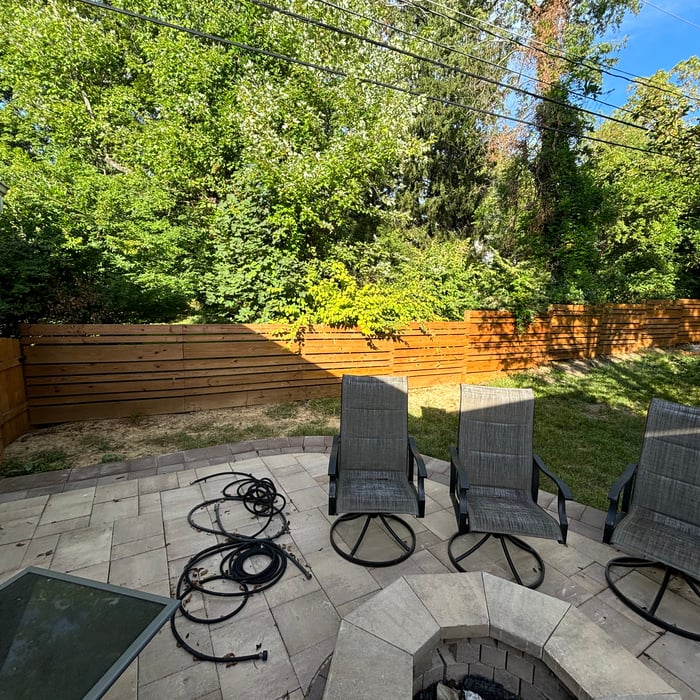
At Dig Big LLC, we specialize in high-quality concrete work and the installation of durable, manufactured retaining walls that enhance both the function and beauty of outdoor spaces. Whether you need a strong, reliable wall to prevent erosion, define your landscape, or add visual appeal to your property, our expert team ensures precision installation using top-tier materials. Our concrete patios and walkways are built to last, offering a stylish and low-maintenance solution for any outdoor area. In addition to retaining walls and concrete surfaces, we provide custom hardscaping services to create functional and attractive outdoor spaces. With competitive pricing and a commitment to excellence, Dig Big LLC is ready to bring your vision to life. Contact us today to start your next project!
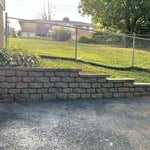
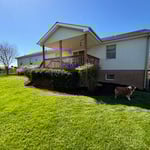
Landscaping - Hardscaping & Pavers Project
Landscaping Project
Landscaping - Hardscaping & Pavers Project
Staining

+20

8 neighbors recently requested a quote
Bolt Excavating
New to Angi
Building Site - Preparation and ClearingExcavation - Major Grading or Resloping

Serving Glen Lyn, VA and surrounding areas

In business since 2002

Free estimates

Bolt Excavating, has the equipment and knowledge, to do your excavation job efficiently and safely. As the owner, Phillip Bolt, will be on your job site, running the equipment and making sure the job gets done right. Bolt Excavating, has both large and small equipment. We can coordinate with other contractors, to get the job timed right so everyone is happy.

Response time5 days
Avatar for Christopher Plumbing
Christopher Plumbing
3.7(
3
)
Building Site - Preparation and ClearingBuilding Site - Preparation and Clearing - For BusinessExcavation - Major Grading or Resloping+2 more

Serving Glen Lyn, VA and surrounding areas

In business since 2000

Emergency services offered

"Christopher is excellent and has very fair prices - he goes out of his way to keep the final price in the homeowners budget. He is always there when you need him, whether it's at night or on the weekend. He's also a master plumber that does excellent work and is very friendly and easy to get along with. Christopher is able to come up with a solution to very complicated problems. We would highly recommend Christopher to anyone."
Recommended by66%of homeowners
Showing 1-10 of 16
Excavating questions, answered by experts

Trenching and boring are two distinct methods for installing underground utilities. Trenching involves digging a channel using equipment like an excavator, trencher, backhoe, or shovel. While it is a simpler process, it causes significant disruption to the surface, landscaping, and surrounding ecosystems.

Boring, also known as directional boring, is a less invasive alternative that uses a drill to create a tunnel for utility lines without disturbing the surface. This method is more precise and is ideal for installations that need to go underneath buildings, roads, or bodies of water. Although boring is less disruptive, it is generally more expensive than trenching.

Yes, trenchers can go through gravel. Gravel is made up of smaller, softer rocks that certain trenchers are able to cut through. Just be sure to use a rock wheel trencher or chain trencher, both of which are made to cut through rocky landscapes and gravel pathways without dulling the teeth or chain.

You can bury underground electrical wire six inches deep—but only if you use a rigid metal electrical conduit. For rigid, non-metallic conduits, bury the wire at least 12 inches deep. If using an underground feeder cable rated for direct burial, you'll need to place it at least 18 inches deep, as it has no conduit for extra protection.

Sewer lines can be buried anywhere from 18 inches to 8 feet deep, with a common average depth between 18 and 30 inches. The exact depth depends on local factors like climate and soil type. In colder regions, pipes must be buried deeper (below the frost line) to prevent freezing, sometimes as deep as 8 feet. The digging depth can also impact the cost of sewer line replacement. To find the specific depth for your property, you can check the building plans for your system, which should be on file with your city or local sanitation department since permits are required for installation.

You should dig 3 to 6 inches deep for plastic edging. Dig as wide as you need to fit your plastic edging into it—2 inches is usually sufficient.

The Glen Lyn, VA homeowners’ guide to excavation services

From average costs to expert advice, get all the answers you need to get your job done.