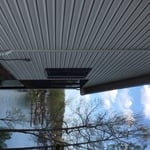
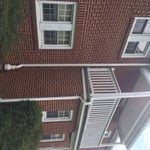
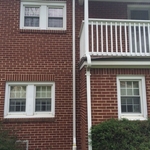
"We recently bought a house and knew we needed some basement waterproofing. We went to Sure Dri because of the Angie's List reviews. And Keith Martin and his staff were great! Keith was very responsive if I had any concerns or questions. He walked me through the process and seemed to genuinely want to make sure what my options were before deciding on an interior French drain. His staff were very fast & professional (& kept the work area super clean). They even cemented an old drain to secure it and move the new sump pump to a new location with no extra charge. He guarantees his work and I highly recommend Sure Dri."
"The energy audit surfaced some significant issues. That's what we wanted. Shelter Alternatives presented a bid for the job, which seemed high. We are checking with other contractors to complete the work."
Radon Detection and Reduction questions, answered by experts
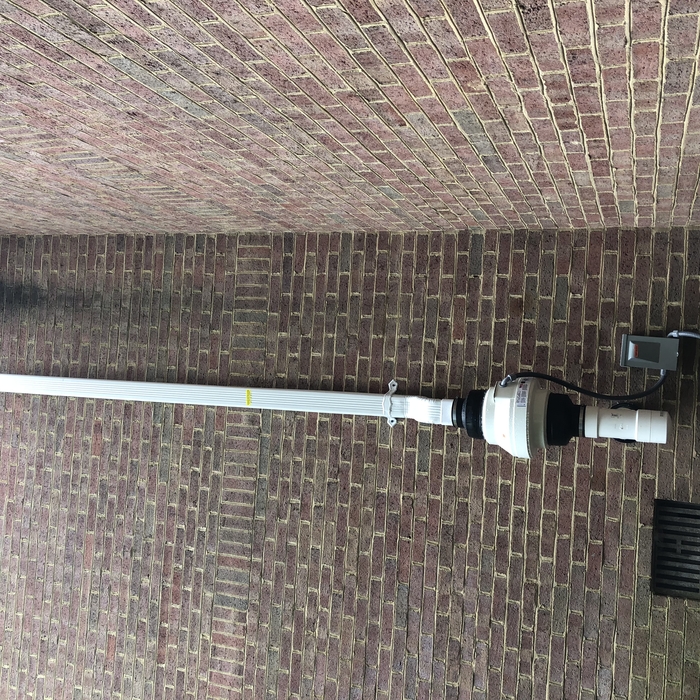
The cost for a radon mitigation system typically ranges from $800 to $1,500, with an average around $1,000. The final price depends on several factors, including the size of your home, the severity of the radon issue, and the type of system required. Your home's foundation type also significantly impacts the cost. For example, sealing and ventilating an unfinished basement might cost around $4,600, while encapsulating a crawl space without a foundation slab can range from $1,500 to $15,000.
The average radon mitigation system uses about 876 kWh of electricity per year, although the exact amount of electricity used will vary depending on the size of the radon fan. Once the system is installed, the annual increase to your energy bill could range from $30 to $300 per year, again depending on the size of the fan.
Yes, many systems include warranties for performance. Confirm terms with your installer.
Testing every 2-5 years or upon adjusting occupancy or structural changes maintains safe environments.
The natural breakdown of uranium in soil, rock, and water can cause radon to appear in a home. The gas seeps into homes through cracks in foundations, walls, or floors, as well as through gaps around pipes or construction joints. Radon levels are influenced by soil composition, building materials, and ventilation. Poorly sealed or airtight homes can trap radon, allowing it to accumulate.
The Elliston, VA homeowners’ guide to radon detection and reduction services
From average costs to expert advice, get all the answers you need to get your job done.
Get clear answers on how much radon remediation costs, including average prices, key cost factors, and tips to save money on your home’s radon mitigation.
Find out what impacts radon testing costs, including average prices for DIY kits and professional services, so you can protect your home and budget confidently.
Radon is a gas that you can't see or smell and is harmful to your health. If your home has radon, you need to know who installs radon mitigation systems.