





Top-rated radon detection and reduction specialists.

Get matched with top radon detection and reduction specialists in Ferrum, VA

Enter your zip and get matched with up to 5 pros

Need a pro for your radon detection and reduction project in Ferrum, VA?

Select your specific project to find the pro for you.

Find Radon detection and reduction specialists in Ferrum

Avatar for Radon Specialists, LLC
Radon Specialists, LLC
4.8(
54
)

Serving Ferrum, VA and surrounding areas

Approved

In business since 2012

Free estimates

Customers say: True professional

"Jeff and his folks were a pleasure to work with. His communication regarding any delays or other issues is excellent. He is also great at answering followup questions that I have about how the system is running. It took our radon readings down to nearly zero from an alarmingly high value. We were hovering below 4 pCi for many years, but then our crawlspace was sealed and insulated and it soared in the living space. (The crawlspace itself was 20 pCi). Highly recommend."
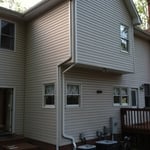
Smith Mountain Lake
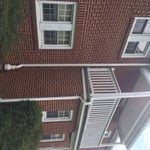
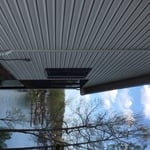
Rear of House
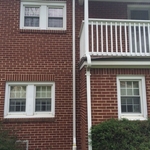
Rear of House
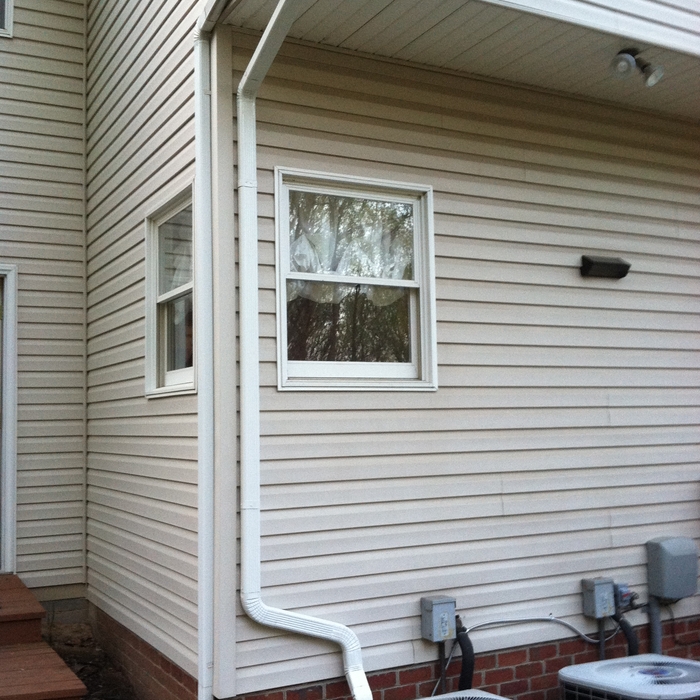
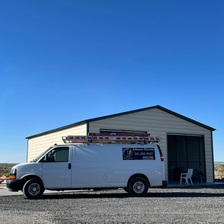
Typical Installation

+7

Response time10 hrs
Response rate91%
Recommended by94%of homeowners
Radon Detection and Reduction questions, answered by experts

No, air purifiers are not an effective way to reduce or remove radon. Radon is a radioactive, inert gas that cannot be filtered by standard air purifiers, which are designed to capture particulates like dust and mold. While an air purifier can improve indoor air quality by removing other pollutants, it should not be relied upon for radon. The only effective solution for high radon levels is a dedicated radon mitigation system.

The cost to replace a radon fan ranges from $300 to $600 for the fan itself, with installation adding an additional $200 to $500. Overall, the total cost for replacement can range from $500 to $1,100, depending on factors such as the fan model, home size, and local labor rates. If the fan is part of a larger radon mitigation system, the price may be higher.

The fan that pulls the radon out of the air needs to run continuously, so you may see an increase in your electric bill once you install the mitigation system. Additionally, you may see an increase in your heating or cooling bills, as the fan can cause some loss of hot or cool air.

While DIY testing is possible, abatement generally requires professional installation to ensure efficacy and meet safety standards.

Your radon mitigation system may be loud because it’s time to replace it. Any sounds are usually from the inline fan that helps create the vacuum and resulting airflow. If you hear a new, loud mechanical or humming noise from your radon fan, it might be time to replace it. Most fans used in radon mitigation systems last up to 10 years, but may need to be replaced sooner.

The Ferrum, VA homeowners’ guide to radon detection and reduction services

From average costs to expert advice, get all the answers you need to get your job done.