
Top-rated radon detection and reduction specialists.

Get matched with top radon detection and reduction specialists in Bent Mountain, VA

Enter your zip and get matched with up to 5 pros

Need a pro for your radon detection and reduction project in Bent Mountain, VA?

Select your specific project to find the pro for you.

Find Radon detection and reduction specialists in Bent Mountain

Avatar for Radon Specialists, LLC
Radon Specialists, LLC
4.8(
54
)
Radon Gas - Abatement

Serving Bent Mountain, VA and surrounding areas

Approved

In business since 2012

Free estimates

Customers say: True professional

"You can have complet confidence that Radon Specialists will produce the desired result. Our radon long term average went from 7 pc/L to 0.4 pc/ L. We are very relieved. The workmanship of the mitigation system is professional grade and the process was completely unobtrusive."
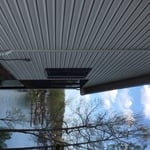
Smith Mountain Lake
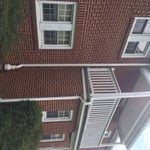
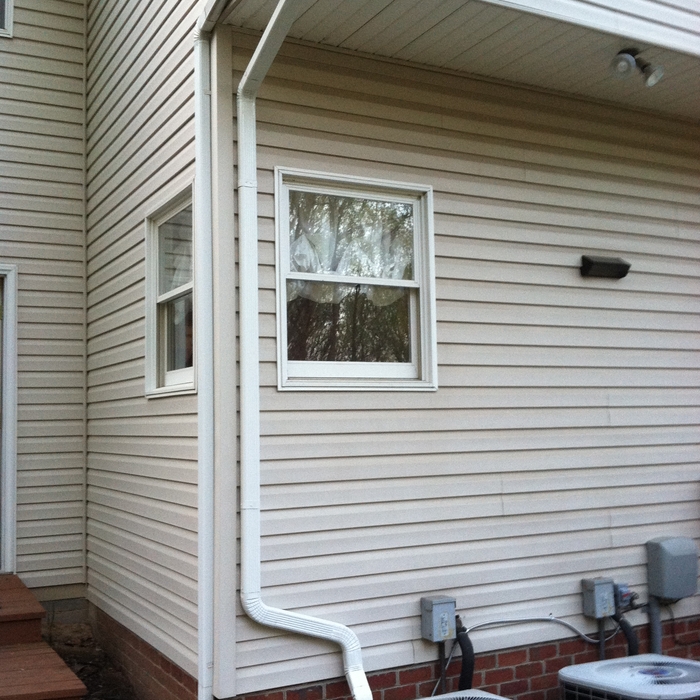
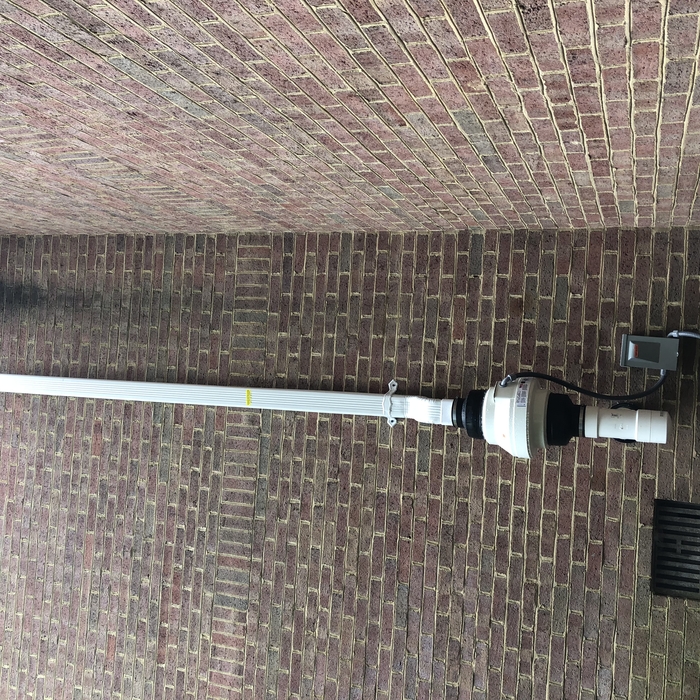
Rear of House
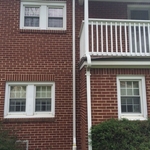
Rear of House
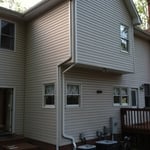
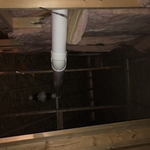
Typical Installation

+7

Response time10 hrs
Response rate91%
Recommended by94%of homeowners
Radon Detection and Reduction questions, answered by experts

The fan that pulls the radon out of the air needs to run continuously, so you may see an increase in your electric bill once you install the mitigation system. Additionally, you may see an increase in your heating or cooling bills, as the fan can cause some loss of hot or cool air.

No, radon mitigation systems do not decrease home value or make a home harder to sell. In areas where homes experience similar radon exposure risks, a radon mitigation system is viewed as an improvement. Potential homebuyers often opt to buy a home with a radon mitigation system already installed to reduce the risk of cancer for their families.

Keeping radon from getting into your home is much better than having to get rid of it once it's already indoors. While there may not be a way to fully prevent radon from getting into your home, there are things you can do to reduce the gas's ability to enter. 

Sealing foundation cracks and openings can help keep the gas from seeping inside. Improving air flow, such as by opening windows, can also be helpful. If you're building your home from scratch, talk to your contractor about using radon-resistant construction to keep the gas out.

Your radon mitigation system may be loud because it’s time to replace it. Any sounds are usually from the inline fan that helps create the vacuum and resulting airflow. If you hear a new, loud mechanical or humming noise from your radon fan, it might be time to replace it. Most fans used in radon mitigation systems last up to 10 years, but may need to be replaced sooner.

Your radon fan needs to operate 24/7 to be effective. The only time the fan isn't operating is during its replacement. Radon levels in the home can increase within hours if the fan stops working or something obstructs the stack vent. Fortunately, radon systems require no downtime maintenance between fan changes.

The Bent Mountain, VA homeowners’ guide to radon detection and reduction services

From average costs to expert advice, get all the answers you need to get your job done.