




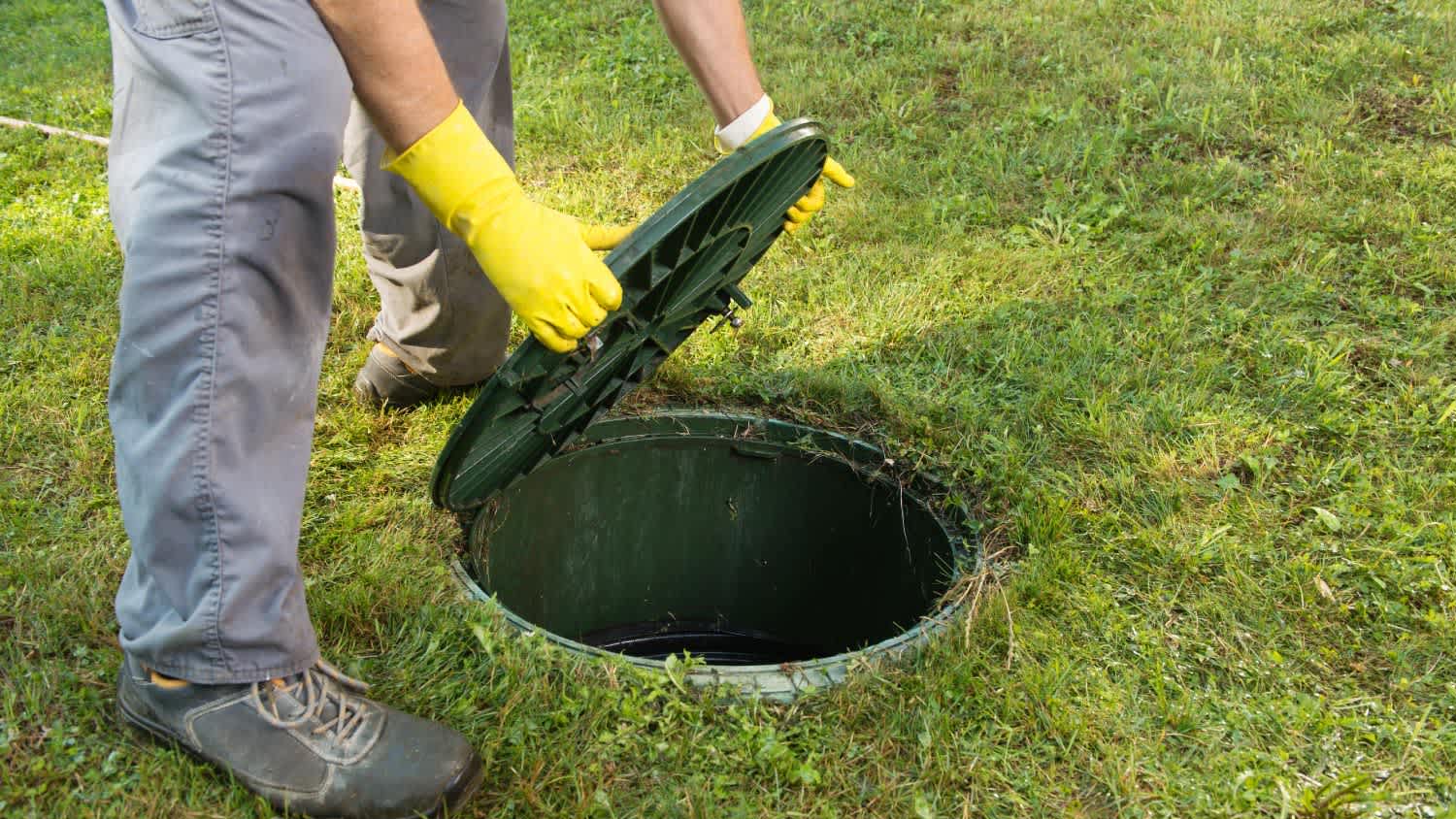
Top-rated percolation testing pros.

Get matched with top percolation testing pros in Woods Cross, UT

Enter your zip and get matched with up to 5 pros

Need a pro for your percolation testing project in Woods Cross, UT?

Select your specific project to find the pro for you.

TRUSTED BY WOODS CROSS, UT HOMEOWNERS

  • Average homeowner rating star icon4.6
    Average homeowner rating
  • Verified reviews icon730
    Verified percolation testing services reviews

Find Percolation testing pros in Woods Cross

No results for Percolation testing pro in

Try adjusting your search criteria.
Percolation Tests questions, answered by experts

Asbestos can be found in many building materials, especially if the materials were installed more than 20 years ago. Asbestos-containing materials (ACM) can include:

  • Acoustic ceiling tiles

  • Furnace insulation

  • Home appliances

  • Fire-retardant clothing

  • Cement pipe

  • Pipe insulation

  • Wall and ceiling insulation

  • Vehicle brake pads

  • Vinyl flooring

  • Sprayed acoustic ceilings

  • Stove insulation

  • Patching compounds

  • Textured paints

  • Roofing shingles

  • Siding

While asbestos can’t be directly absorbed through the skin—the fibers are too big—skin contact can still produce symptoms. Contact dermatitis can flare up in sensitive individuals but in most cases, the danger from asbestos comes from inhaling the fibers, or dust, that is produced when asbestos is disturbed. If you touch asbestos by accident, immediately wash yourself and your clothes.

Vermiculite insulation that comes from a particular mine before 1990 is likely to contain asbestos. This is particularly true in the U.S. However, not all types of vermiculite insulation contain asbestos. Since you can't detect the presence of asbestos without special equipment, it's best to assume that the insulation contains the dangerous mineral and to either leave it alone or hire a professional to handle it.

Even a single, one-time exposure to asbestos can be harmful and pose health risks. According to the EPA, any contact can increase the risk of developing asbestos-related diseases and certain types of cancer, although the likelihood of severe health issues increases with repeated or prolonged exposure.

The severity of a single exposure depends on factors like the duration, intensity, and concentration of the asbestos fibers. While a small amount is less likely to cause significant damage, a high concentration can lead to serious long-term lung damage. Individual reactions vary, and asbestos-related illnesses may not appear for 10 to 40 years after inhalation.

Given these risks, always take precautions around any material suspected to contain asbestos. Personal protective equipment (PPE) may not be completely effective. If you suspect asbestos is in your home, hire a professional for testing and removal. If you are worried about a potential exposure, consult your doctor.

Asbestos testing takes place in two stages—collection and lab testing. Collection can take less than 20 minutes if a professional manages to get a direct sample. If air samples are required, then the pro will set up a testing device and return to collect it. In both cases, the sample is sent to a lab and results are confirmed or denied usually within one to two days.

The Woods Cross, UT homeowners’ guide to percolation testing services

From average costs to expert advice, get all the answers you need to get your job done.