



Top-rated radon detection and reduction specialists.

Best radon detection and reduction specialists near Riverside, UT

Enter your zip and get matched with up to 5 pros

Need a pro for your radon detection and reduction project in Riverside, UT?

Select your specific project to find the pro for you.

Top-Rated Radon detection and reduction specialists in Riverside - Updated Nov 2026

Avatar for Radon Be Gone
Radon Be Gone
New to Angi
Radon Gas - AbatementRadon Gas - Testing

Serving Riverside, UT and surrounding areas

In business since 2019

Free estimates

Warranties offered

We are a locally owned and operated company that values honesty and integrity and \ntreats your home as if it were our own. We offer radon testing and mitigation services \nthat are customizable to each individual project. You will find us to be competitively \npriced, paying close attention to the details of each and every project that we are involved with. We look forward to building lasting relationships and guarantee your satisfaction!

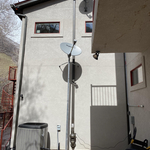
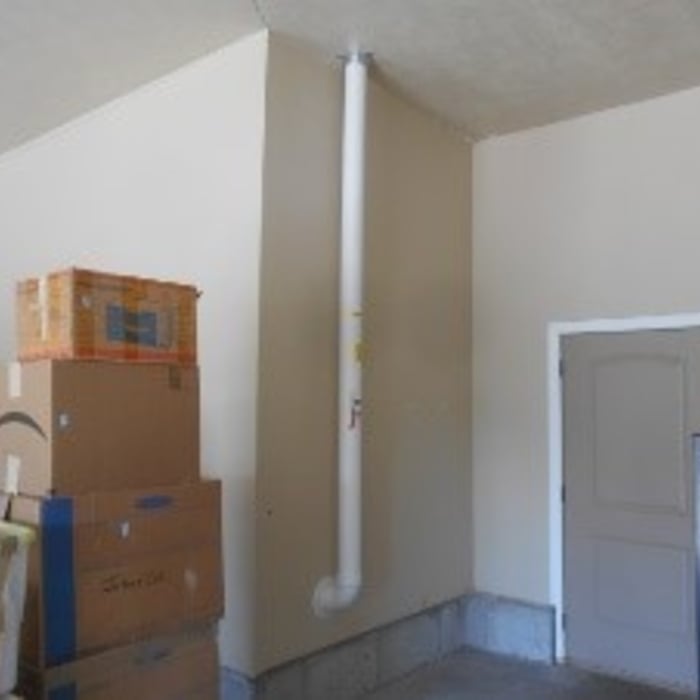
Radon Mitiagation
Interior System
RRNC Mitigation
Radon Mitigation
RRNC Mitigation

+6

Avatar for Utah Mold Pros
Utah Mold Pros
New to Angi
Radon Gas - Testing

Serving Riverside, UT and surrounding areas

Free estimates

Small jobs welcome

Credit card accepted

At UMP (Utah Mold Pros), we specialize in helping families and homeowners create healthier indoor environments through precise, science-backed testing. Our work goes beyond basic mold and air quality assessments—we identify hidden contaminants that can silently impact your health and home.

Mold/IAQ Testing
Radon Detection and Reduction FAQs, answered by experts

Your radon mitigation system may be loud because it’s time to replace it. Any sounds are usually from the inline fan that helps create the vacuum and resulting airflow. If you hear a new, loud mechanical or humming noise from your radon fan, it might be time to replace it. Most fans used in radon mitigation systems last up to 10 years, but may need to be replaced sooner.

Keeping radon from getting into your home is much better than having to get rid of it once it's already indoors. While there may not be a way to fully prevent radon from getting into your home, there are things you can do to reduce the gas's ability to enter. 

Sealing foundation cracks and openings can help keep the gas from seeping inside. Improving air flow, such as by opening windows, can also be helpful. If you're building your home from scratch, talk to your contractor about using radon-resistant construction to keep the gas out.

A homeowner can install a radon mitigation system on their own. But it’s a challenging DIY that requires a lot of knowledge about radon mitigation as well as familiarity with local regulations. You do not want to risk an improper installation that leaves the system unable to detect radon or gives it a shortened life span. Relying on a professional is the surest way to guarantee a successful installation.

If high radon levels are detected, steps include sealing entry points, installing a mitigation system, and retesting the air regularly to ensure reduced levels.

Mitigation can take several days depending on home setup, equipment accessibility, and achieving effective diffusion system sealed efficiency.

The Riverside, UT homeowners’ guide to radon detection and reduction services

From average costs to expert advice, get all the answers you need to get your job done.