




Top-rated radon detection and reduction specialists.

Get matched with top radon detection and reduction specialists in Willard, UT

Enter your zip and get matched with up to 5 pros

Need a pro for your radon detection and reduction project in Willard, UT?

Select your specific project to find the pro for you.

Find Radon detection and reduction specialists in Willard

Avatar for Radon Be Gone
Radon Be Gone
New to Angi
Radon Gas - AbatementRadon Gas - Testing

Serving Willard, UT and surrounding areas

In business since 2019

Free estimates

Warranties offered

We are a locally owned and operated company that values honesty and integrity and\ntreats your home as if it were our own. We offer radon testing and mitigation services\nthat are customizable to each individual project. You will find us to be competitively\npriced, paying close attention to the details of each and every project that we are involved with. We look forward to building lasting relationships and guarantee your satisfaction!

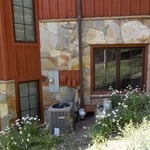
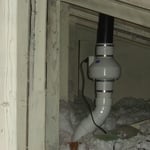
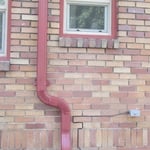
Radon Mitiagation
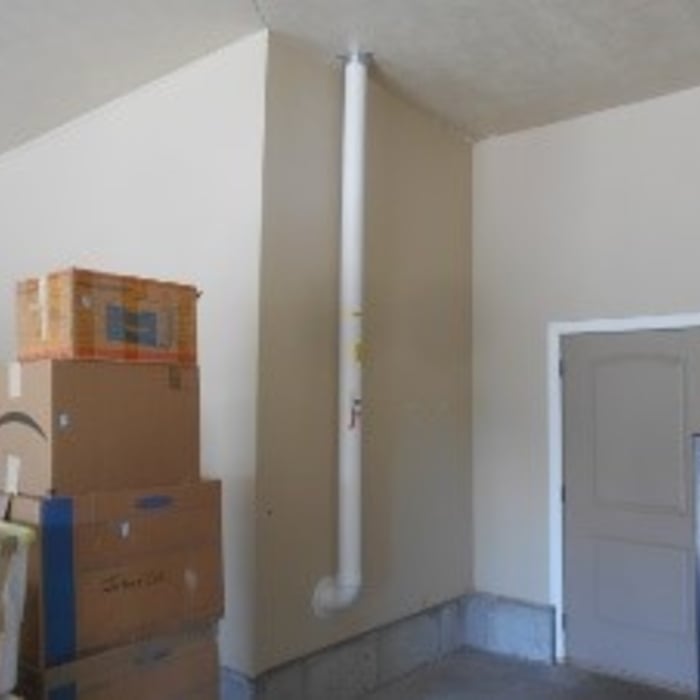
Interior System
RRNC Mitigation
Radon Mitigation
RRNC Mitigation

+6

Avatar for Utah Mold Pros
Utah Mold Pros
New to Angi
Radon Gas - Testing

Serving Willard, UT and surrounding areas

Free estimates

Small jobs welcome

Credit card accepted

At UMP (Utah Mold Pros), we specialize in helping families and homeowners create healthier indoor environments through precise, science-backed testing. Our work goes beyond basic mold and air quality assessments—we identify hidden contaminants that can silently impact your health and home.

Mold/IAQ Testing
Radon Detection and Reduction questions, answered by experts

The soil beneath your house is most likely what’s causing an increased level of radon. This is because soil holds radioactivity for a long time and it’s also what most buildings are built on. Another common source of radon is water from a source that hasn’t been through periodic radon tests, such as well water. Over time, the radon from the soil can inhabit other parts of your house like the foundation or plumbing.

The natural breakdown of uranium in soil, rock, and water can cause radon to appear in a home. The gas seeps into homes through cracks in foundations, walls, or floors, as well as through gaps around pipes or construction joints. Radon levels are influenced by soil composition, building materials, and ventilation. Poorly sealed or airtight homes can trap radon, allowing it to accumulate.

Options include sub-slab depressurization, crawlspace ventilation, and sealing cracks. Choose based on home construction and radon levels.

Your radon fan needs to operate 24/7 to be effective. The only time the fan isn't operating is during its replacement. Radon levels in the home can increase within hours if the fan stops working or something obstructs the stack vent. Fortunately, radon systems require no downtime maintenance between fan changes.

Testing every 2-5 years or upon adjusting occupancy or structural changes maintains safe environments.

The Willard, UT homeowners’ guide to radon detection and reduction services

From average costs to expert advice, get all the answers you need to get your job done.