





Top-rated radon detection and reduction specialists.

Get matched with top radon detection and reduction specialists in Garland, UT

Enter your zip and get matched with up to 5 pros

Need a pro for your radon detection and reduction project in Garland, UT?

Select your specific project to find the pro for you.

Find Radon detection and reduction specialists in Garland

Avatar for Radon Be Gone
Radon Be Gone
New to Angi
Radon Gas - AbatementRadon Gas - Testing

Serving Garland, UT and surrounding areas

In business since 2019

Free estimates

Warranties offered

We are a locally owned and operated company that values honesty and integrity and\ntreats your home as if it were our own. We offer radon testing and mitigation services\nthat are customizable to each individual project. You will find us to be competitively\npriced, paying close attention to the details of each and every project that we are involved with. We look forward to building lasting relationships and guarantee your satisfaction!

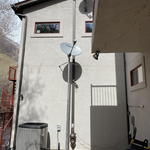
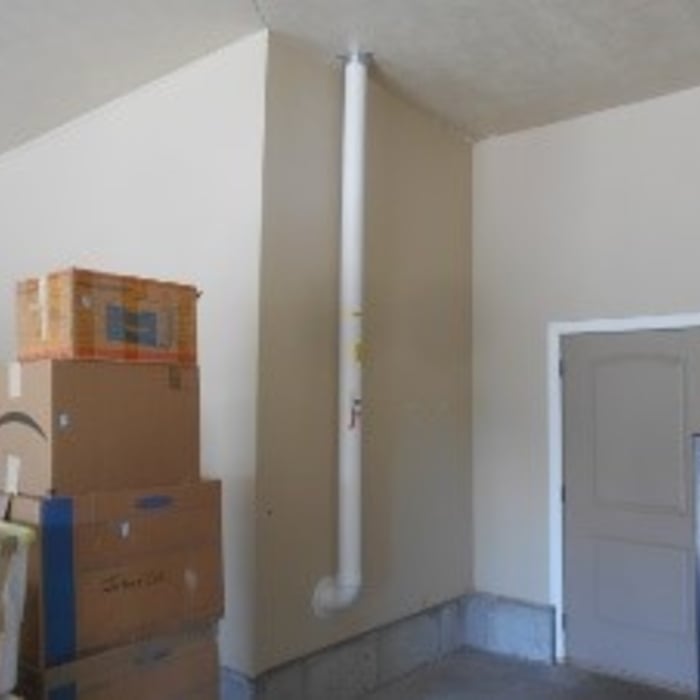
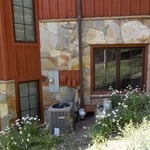
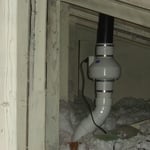
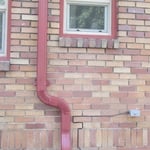
Radon Mitiagation
Interior System
RRNC Mitigation
Radon Mitigation
RRNC Mitigation

+6

Avatar for Utah Mold Pros
Utah Mold Pros
New to Angi
Radon Gas - Testing

Serving Garland, UT and surrounding areas

Free estimates

Small jobs welcome

Credit card accepted

At UMP (Utah Mold Pros), we specialize in helping families and homeowners create healthier indoor environments through precise, science-backed testing. Our work goes beyond basic mold and air quality assessments—we identify hidden contaminants that can silently impact your health and home.

Mold/IAQ Testing
Radon Detection and Reduction questions, answered by experts

No, air purifiers are not an effective way to reduce or remove radon. Radon is a radioactive, inert gas that cannot be filtered by standard air purifiers, which are designed to capture particulates like dust and mold. While an air purifier can improve indoor air quality by removing other pollutants, it should not be relied upon for radon. The only effective solution for high radon levels is a dedicated radon mitigation system.

The average radon mitigation system uses about 876 kWh of electricity per year, although the exact amount of electricity used will vary depending on the size of the radon fan. Once the system is installed, the annual increase to your energy bill could range from $30 to $300 per year, again depending on the size of the fan.

Yes, many systems include warranties for performance. Confirm terms with your installer.

You'll need to test your home for radon after installing the mitigation system, then again every two years. If radon remains elevated, contact a licensed radon professional, either the contractor who installed the system or a different one, and have them evaluate the system. They may need to make some changes to improve its effectiveness and performance.

The lifespan of a radon mitigation system depends on the type of system and its maintenance. With proper care, a system can last for many decades. Passive systems tend to last longer as they have fewer components that require replacement. Active systems, which have more moving parts like fans, generally have a shorter lifespan. For instance, water filtration devices and active pressurization systems require more frequent maintenance. While the system as a whole is durable, the radon fan in an active system typically has a lifespan of 5 to 10 years and will need to be replaced. As long as the fan is working, the mitigation system should function correctly.

The Garland, UT homeowners’ guide to radon detection and reduction services

From average costs to expert advice, get all the answers you need to get your job done.