



Top-rated radon detection and reduction specialists.

Best radon detection and reduction specialists near Honeyville, UT

Enter your zip and get matched with up to 5 pros

Need a pro for your radon detection and reduction project in Honeyville, UT?

Select your specific project to find the pro for you.

Top-Rated Radon detection and reduction specialists in Honeyville - Updated Nov 2026

Avatar for Radon Be Gone
Radon Be Gone
New to Angi
Radon Gas - AbatementRadon Gas - Testing

Serving Honeyville, UT and surrounding areas

In business since 2019

Free estimates

Warranties offered

We are a locally owned and operated company that values honesty and integrity and \ntreats your home as if it were our own. We offer radon testing and mitigation services \nthat are customizable to each individual project. You will find us to be competitively \npriced, paying close attention to the details of each and every project that we are involved with. We look forward to building lasting relationships and guarantee your satisfaction!

Radon Mitiagation
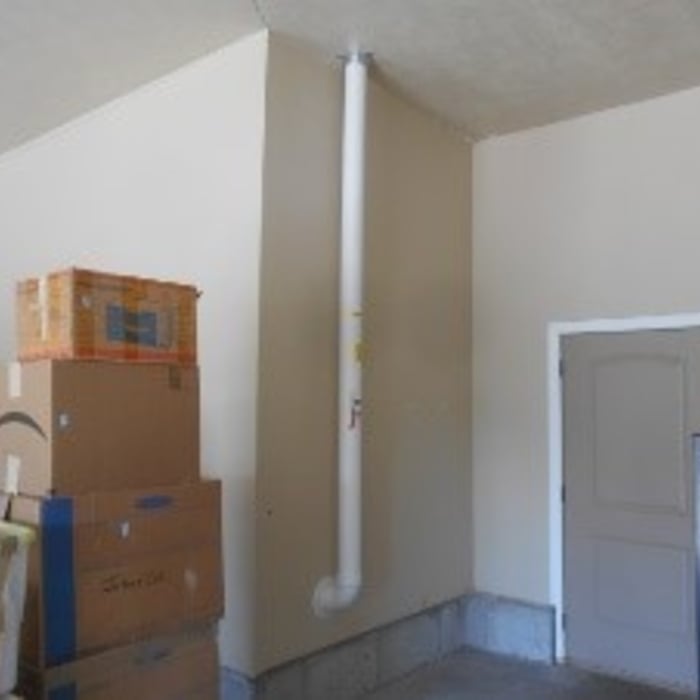
Interior System
RRNC Mitigation
Radon Mitigation
RRNC Mitigation

+6

Avatar for Utah Mold Pros
Utah Mold Pros
New to Angi
Radon Gas - Testing

Serving Honeyville, UT and surrounding areas

Free estimates

Small jobs welcome

Credit card accepted

At UMP (Utah Mold Pros), we specialize in helping families and homeowners create healthier indoor environments through precise, science-backed testing. Our work goes beyond basic mold and air quality assessments—we identify hidden contaminants that can silently impact your health and home.

Mold/IAQ Testing
Radon Detection and Reduction FAQs, answered by experts

The cost to replace a radon fan ranges from $300 to $600 for the fan itself, with installation adding an additional $200 to $500. Overall, the total cost for replacement can range from $500 to $1,100, depending on factors such as the fan model, home size, and local labor rates. If the fan is part of a larger radon mitigation system, the price may be higher.

Keeping radon from getting into your home is much better than having to get rid of it once it's already indoors. While there may not be a way to fully prevent radon from getting into your home, there are things you can do to reduce the gas's ability to enter. 

Sealing foundation cracks and openings can help keep the gas from seeping inside. Improving air flow, such as by opening windows, can also be helpful. If you're building your home from scratch, talk to your contractor about using radon-resistant construction to keep the gas out.

No level of radon is technically safe, but since it is present everywhere, complete avoidance is impossible. The average radon level in homes across the United States is 1.3 picocuries per liter (pCi/L). The Environmental Protection Agency (EPA) recommends taking preventative measures if your home's radon levels are between 2 and 4 pCi/L or higher.

Radon detection is crucial as prolonged exposure to radon gas, a leading cause of lung cancer, poses significant health risks in residential environments.

Your radon fan needs to operate 24/7 to be effective. The only time the fan isn't operating is during its replacement. Radon levels in the home can increase within hours if the fan stops working or something obstructs the stack vent. Fortunately, radon systems require no downtime maintenance between fan changes.

The Honeyville, UT homeowners’ guide to radon detection and reduction services

From average costs to expert advice, get all the answers you need to get your job done.