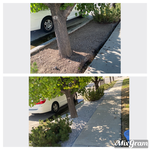



Top-rated tree service pros.

Get matched with top tree service pros in Plain City, UT

Enter your zip and get matched with up to 5 pros

Need a pro for your tree service project in Plain City, UT?

Select your specific project to find the pro for you.

TRUSTED BY PLAIN CITY, UT HOMEOWNERS

  • Average homeowner rating star icon4.7
    Average homeowner rating
  • Verified reviews icon526
    Verified tree services reviews

Find Tree service pros in Plain City

Avatar for TLC Home Repair and Landscape
TLC Home Repair and Landscape
4.4(
27
)
Tree RemovalTree TrimmingTree Trimming - For Business

Serving Plain City, UT and surrounding areas

Approved

In business since 2013

Free estimates

Emergency services offered

"Tyler just charged his low hourly rate to cut down two fruit trees and cleaned up all the debris in less than 2 hours. He even took some other stuff to the dump for me without charging extra. I'm so pleased with his service, and look forward to having someone I trust (Tyler) come and take care of future needs."
Response time2 days
4 neighbors recently requested a quote
Recommended by100%of homeowners
...
Showing 1-10 of 162
Tree Service questions, answered by experts

Generally, no, tree topping isn’t a good technique, and you should avoid using it in most cases. Tree topping may be the only good option to save a tree following severe damage after a storm, but in most other cases, it’s not the right choice. Tree topping can leave trees vulnerable to disease and further damage, and most pros will suggest against it.

Generally, homeowners do not need permission to cut down a tree on their own private property, but there are several exceptions where a permit may be required. You might need a permit if the tree is particularly large, old, or a protected species, such as a heritage tree. Trees located near public property or power lines can also be subject to special rules. Additionally, many local governments and homeowners associations (HOAs) have regulations controlling which trees can be removed to manage an area's appearance or prevent the spread of invasive species. To avoid hefty fines, it is crucial to check with your local government and HOA to determine if a permit is needed before you begin.
Planting trees far enough from your foundation will protect your home from root damage, but if you’re dealing with existing trees, you can still guard against roots. Root barriers form a physical boundary that will prevent roots from encroaching on your foundation and can help save you from expensive foundation repair costs.

Light-bark trees are most notorious for producing lots of sap when wounded. These varieties include maples, birches, poplars, dogwoods, magnolias, and elms, and they will bleed more when the trees are dormant. That’s why it’s a good idea to prune them in the summer months rather than waiting until winter.

The best time to transplant a tree is when it is dormant. For many trees, this means either in the fall after the leaves have dropped (around October or November) or in early spring before new growth begins (around March). The ideal timing can depend on the type of tree. Deciduous trees do well when moved in early spring or fall, while evergreens are best transplanted in early spring or late summer. For example, pine trees are best moved in early fall, but maples prefer late fall. Avoid transplanting in winter, as the frozen or hard, cold soil poses a significant risk to the roots and prevents the tree from acclimating properly.

The Plain City, UT homeowners’ guide to tree services

From average costs to expert advice, get all the answers you need to get your job done.