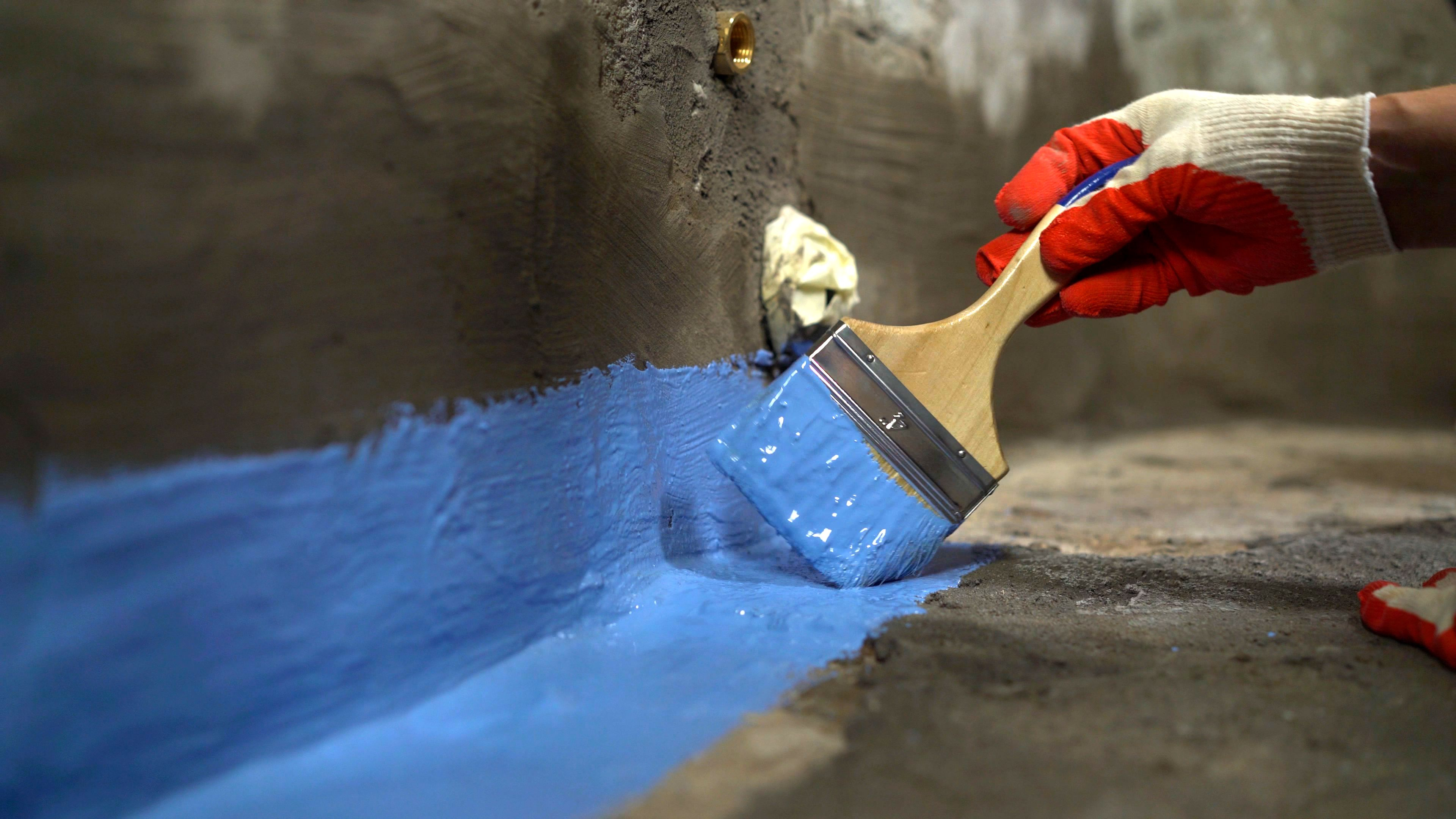
We're dedicated to providing our clients with the very best in concrete waterproofing projects and a variety of other concrete work. With over 8 years of industry experience, we take an enormous amount of pride in the attention to detail put into each of the project we're involved with. We're known for our quality of work and integrity of our business. We look forward to building long-term relationships with our clients, and guarantee your satisfaction. Weekends by appointment only.
"I only use James when I need some work done to my house. He responds fast, gets the work done quicker than just about anyone else I've ever used and seems very concerned with leaving his customers happy."
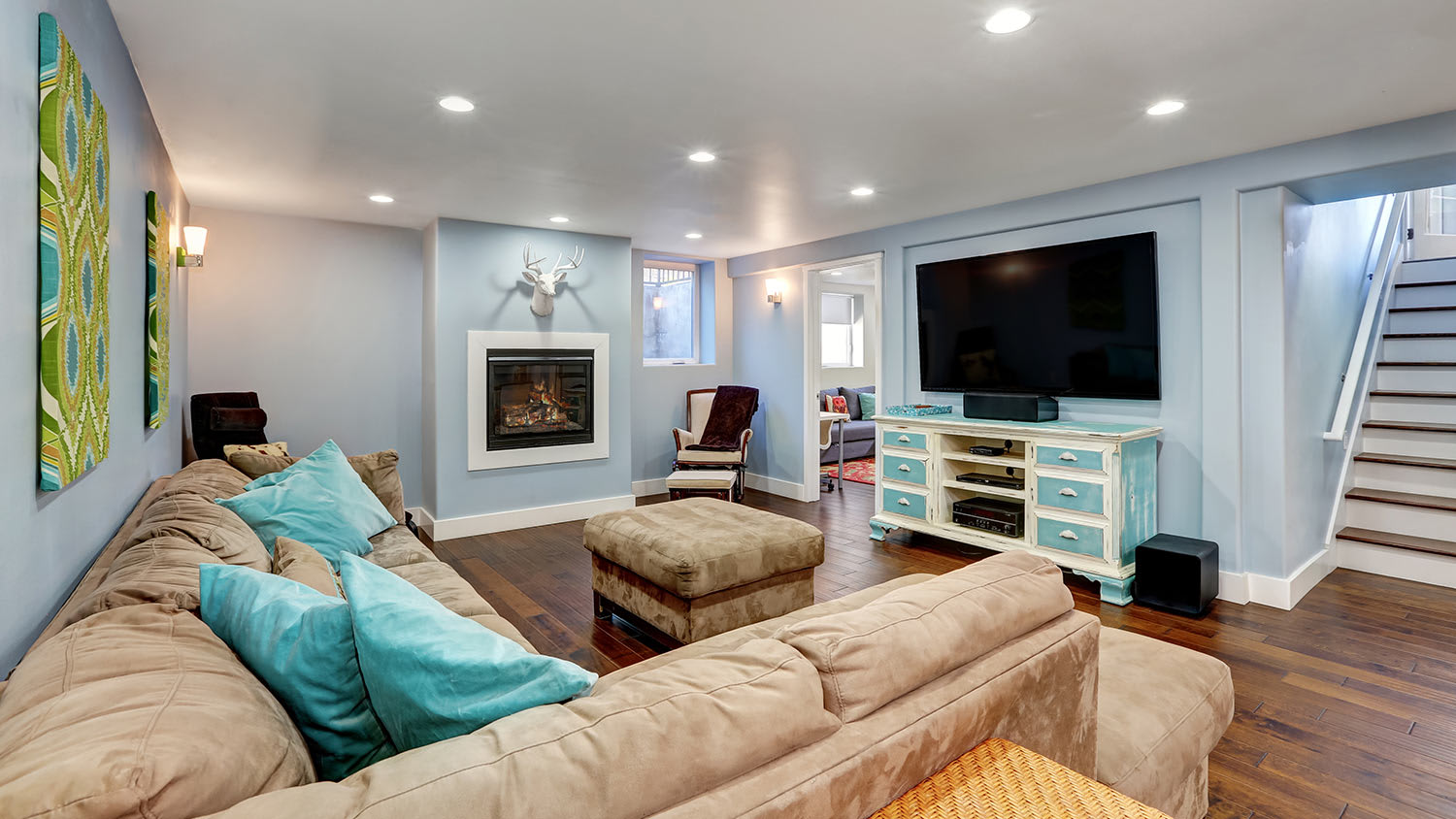
"they made one awesome family room. I never had such a great time with a company before. they really take care if a customer and knows how to make a house a home."
Basement Waterproofing questions, answered by experts
Most houses will have vents in the crawl space. This allows for air passage and energy retention, which in many ways can help control the temperature inside the home. If you are able to consider the cost of a crawl space encapsulation, you may not need your crawl space vents at all.
While it’s possible to seal a foundation yourself, it’s not recommended, as it’s a tricky and labor-intensive job. Foundation sealing is best left to the pros to save yourself time, remove the risk of doing it wrong, and keeping yourself safe. Call a foundation repair professional near you to see what the job will cost.
Permits may be required for major repairs, structural work, or electrical and plumbing restoration after a flood. Check with your local building department to determine permit requirements and associated fees for your flooded basement cleanup project. Obtaining the correct permits helps ensure work is done safely and up to code.
Damp proofing and waterproofing are both methods to help keep your basement dry. Damp proofing keeps soil moisture from entering your basement, which is helpful since your basement is underground. Waterproofing, however, keeps both soil moisture and liquid water out of the basement, which is essential, especially if you live in a wet environment. Because it’s more protective, waterproofing typically costs more than damp proofing.
Anything having to do with the structure of your home, such as raising the ceiling, is usually the most expensive part of finishing a basement. Another project component that could be a surprisingly high expense is adding an exterior entrance.
Need to fix basement water problems or safeguard your home from damage in the future? Use this basement waterproofing cost guide to budget appropriately.
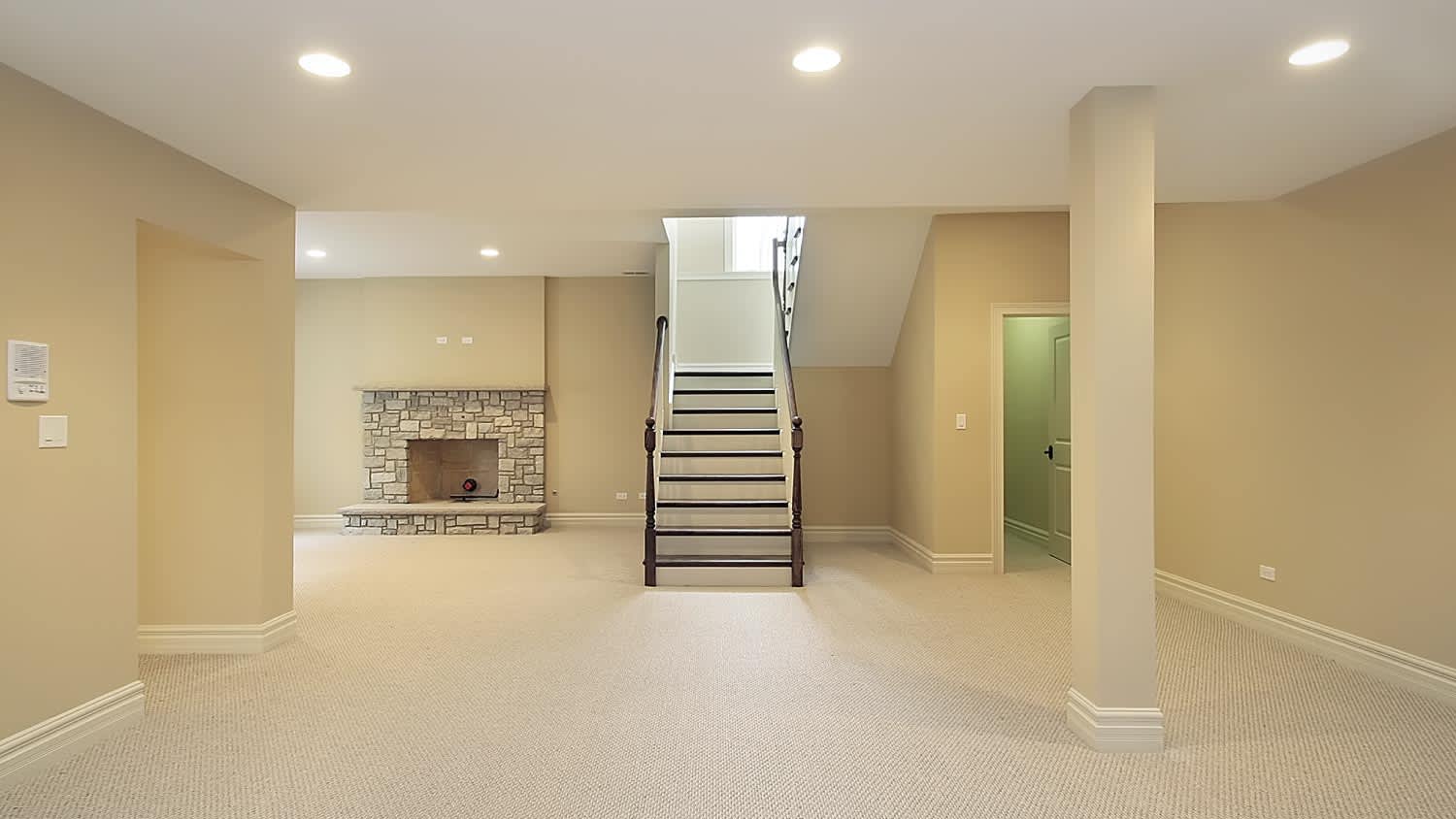
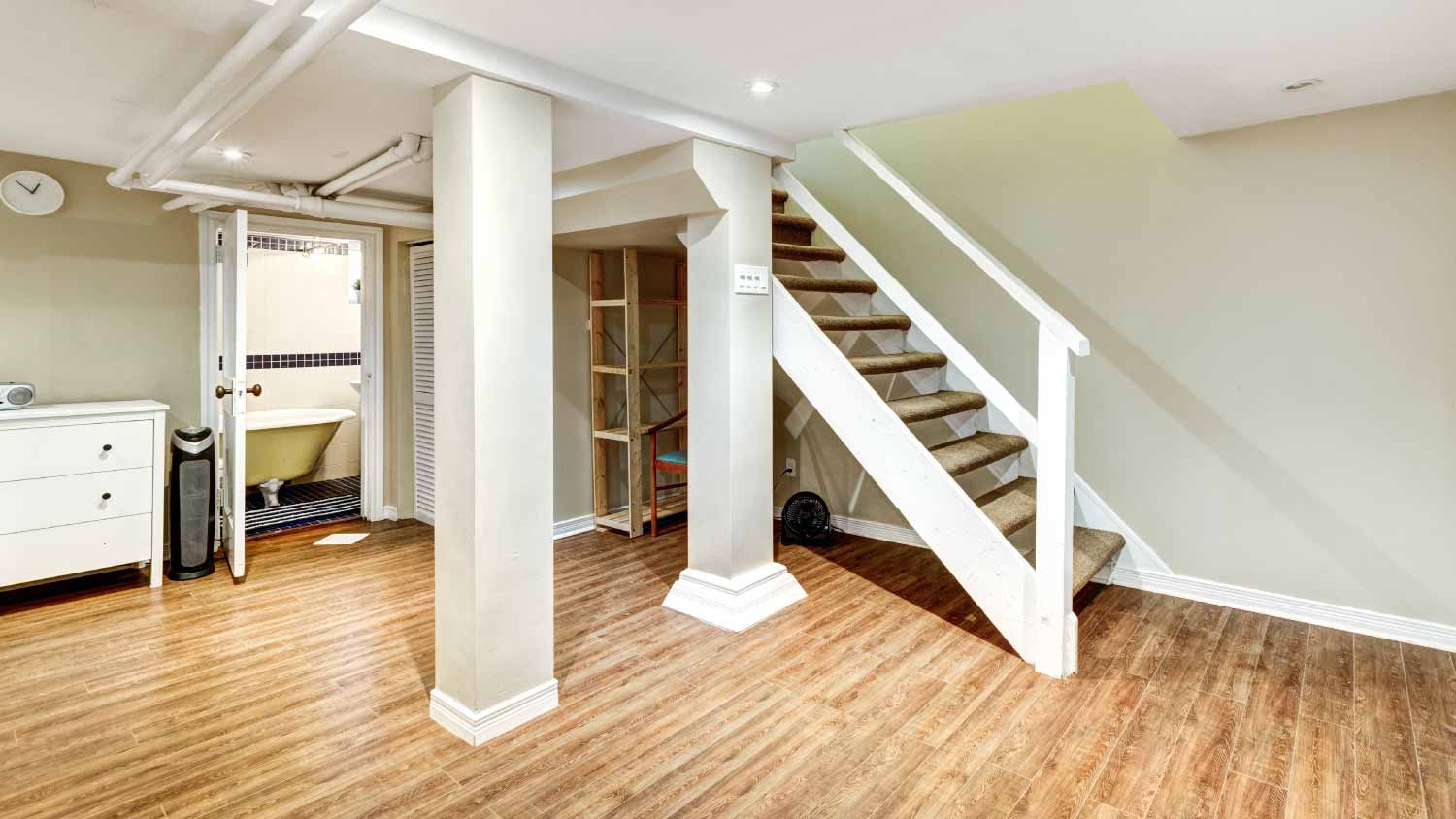
An unfinished basement has a lot of potential for a family room or guest suite. So how much does it cost to finish a basement? Read on for all cost factors.
Dealing with a damp basement? Follow these steps for DIY basement waterproofing to keep water and moisture out and boost your home’s energy efficiency.
Can’t seem to get rid of the moisture and mold in your basement? Learn why basements tend to hold moisture and how to get rid of moisture in the basement.