



Top-rated tree service pros.

Get matched with top tree service pros in Grantsville, UT

Enter your zip and get matched with up to 5 pros

Need a pro for your tree service project in Grantsville, UT?

Select your specific project to find the pro for you.

TRUSTED BY GRANTSVILLE, UT HOMEOWNERS

  • Average homeowner rating star icon4.5
    Average homeowner rating
  • Verified reviews icon54
    Verified tree services reviews

Find Tree service pros in Grantsville

Avatar for Dom's Trees, LLC
Dom's Trees, LLC
New to Angi
Tree Removal

Serving Grantsville, UT and surrounding areas

Approved

In business since 2022

Free estimates

Small jobs welcome

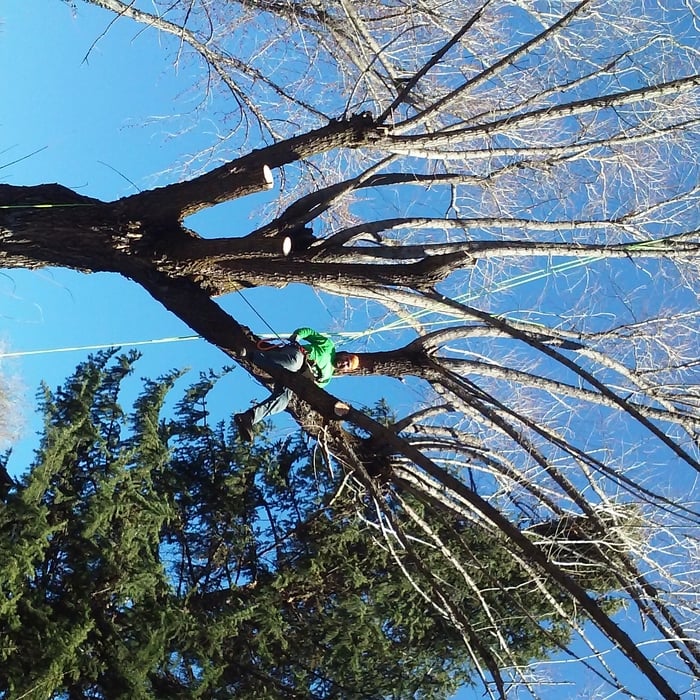
We are a locally owned and operated company that values honesty and integrity and treats your property with respect and care. We offer tree trimming and removal services that are customizable to the needs of the home or business owner. We pride ourselves on the quality of our work as well as our commitment to outstanding results. We look forward to building lasting relationships with our clients and guarantee your satisfaction!

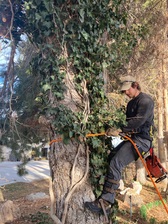
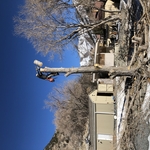
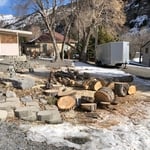
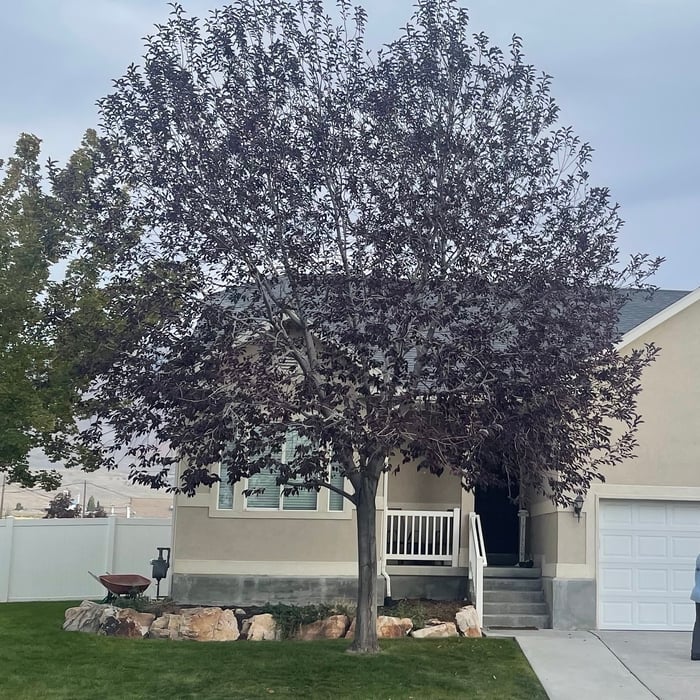
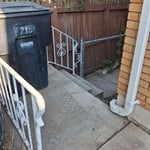
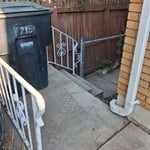
Before
Almost there
Just some of the trunk left
Just have clean up left now
After

+4

Response time2 days
Response rate93%
Avatar for Expert Tree Service
Expert Tree Service
4.7(
9
)
Tree Removal

Serving Grantsville, UT and surrounding areas

In business since 2020

Free estimates

Emergency services offered

"Very personal. A family buisness that believes in customer service and personal connection. What you want is what they want. Perfessional and personal desire to do a great job for you, but for them as well. That's the definition of pride. Their prices are great. Their job is fantastic. I appreciate everything about them."
Response time1 day
Recommended by88%of homeowners
...
Showing 1-10 of 77
Tree Service questions, answered by experts

In general, trees should be planted no closer than 15 to 20 feet from your foundation. For larger trees with far-reaching roots like maples, oaks, or poplars, a good guide is to plant as many feet from your home as the tree’s height is expected to reach at maturity. Some trees, like elms and willows, should only be planted far from where their roots may encounter sewer or water lines.

Generally, homeowners do not need permission to cut down a tree on their own private property, but there are several exceptions where a permit may be required. You might need a permit if the tree is particularly large, old, or a protected species, such as a heritage tree. Trees located near public property or power lines can also be subject to special rules. Additionally, many local governments and homeowners associations (HOAs) have regulations controlling which trees can be removed to manage an area's appearance or prevent the spread of invasive species. To avoid hefty fines, it is crucial to check with your local government and HOA to determine if a permit is needed before you begin.

It is possible to cut down a tree on your property yourself, but it is generally not recommended unless specific conditions are met. You should only consider this project if the tree is small (e.g., under 4-5 inches in diameter and short enough that you don't need a ladder to reach the branches), and you are experienced in handling a chainsaw. The tree must also be located far from any power lines, fences, homes, or other structures. Even for small trees, the work can be dangerous, and it's always advisable to have a spotter to ensure the tree falls correctly and no branches fall on you.

For any tree that is large, requires a ladder to access, or is near electrical lines or structures, you should always hire a professional. Attempting to remove a large tree yourself is extremely dangerous, poses a risk of serious injury, and could result in significant damage to your property.

Before any tree removal, it's also important to check your local and state regulations to ensure the tree is not historic or otherwise protected by your city.

It’s not as common for Dutch elm disease to affect other types of trees, especially if the surrounding trees aren’t elms. However, it is possible for DED to spread to other trees, particularly in northern states, like Minnesota. In fact, it’s a good idea to use geography to identify wood and determine which types of trees are in your yard. 

Unfortunately, the complex and shallow root system of elm trees makes surrounding elm trees particularly vulnerable to DED. Early discovery is key!

Tree roots don’t necessarily break through concrete on their own, but they can certainly take advantage of existing cracks, even very small ones. As roots grow, they expand the cracks, making them larger and leading to serious and costly foundation damage. It’s a good idea to have repairs on any foundation cracks you’re concerned about.

The Grantsville, UT homeowners’ guide to tree services

From average costs to expert advice, get all the answers you need to get your job done.