




Top-rated arborists.

Get matched with top arborists in Fruit Heights, UT

Enter your zip and get matched with up to 5 pros

Need a pro for your arboricultural service project in Fruit Heights, UT?

Select your specific project to find the pro for you.

TRUSTED BY FRUIT HEIGHTS, UT HOMEOWNERS

  • Average homeowner rating star icon4.5
    Average homeowner rating
  • Verified reviews icon928
    Verified arboricultural services reviews

Find Arborists in Fruit Heights

Montross Landscaping
4.7(
122
)
Tree RemovalTree TrimmingTree Stump - Remove+1 more

Serving Fruit Heights, UT and surrounding areas

Approved

Super Service Award Winner

In business since 2007

Free estimates

Credit card accepted

"Aron answered my request for quote within 15 minutes of the posting. He came right over to look at the job and gave me a bid. I decided to hire him right then. I liked his price, which was very fair and I liked him personally. I was surprised when he said he could do the job the next day. He was on time and had the job completed within 2 hours. There were around 12 tree stumps to be ground up. I would definitely recommend Aron and will call him if and when I ever need any tree service done. Fantastic job!!!!"
Response time6 hrs
Response rate97%
82 neighbors recently requested a quote

Avatar for Up High Tree Care
Up High Tree Care
4.5(
93
)
Tree RemovalTree Removal - For BusinessTree Trimming+1 more

Serving Fruit Heights, UT and surrounding areas

Approved

In business since 2000

Free estimates

Emergency services offered

"Brian did an excellent job with our tree removal. I was impressed with their attention to detail in cleaning up after the project. Great customer service and communication. Reasonably priced."
2 Big Willows
2 Big Willows
2 Big Willows
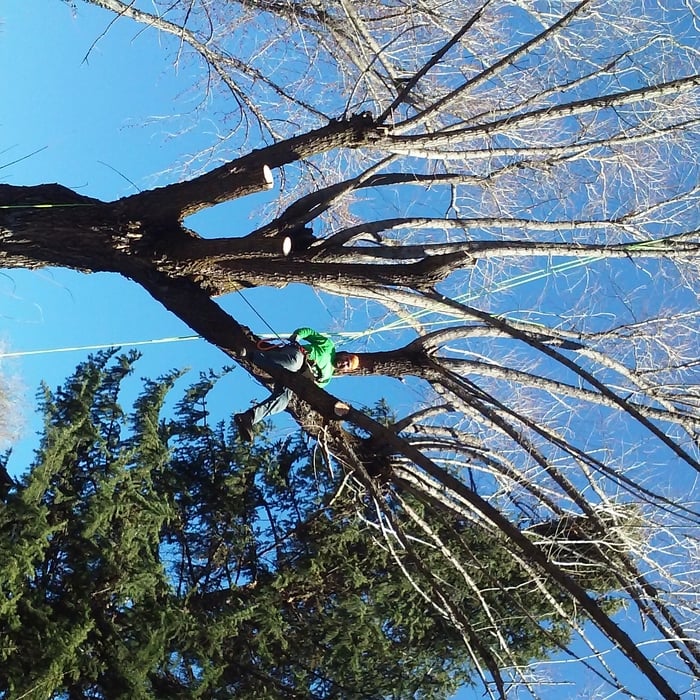
2 Big Willows
2 Big Willows

+50

Response time7 hrs
Response rate87%
Recommended by93%of homeowners
...
Showing 1-10 of 191
Arborists questions, answered by experts

Ideally, you should wait to prune until trees have gone dormant in late fall to early winter. The worst times to prune trees are early fall and late summer, as pruning them so close to dormancy makes it difficult for the tree recover before it goes dormant for the season.

If you’re wondering whether you can plant a tree where the stump was removed, know that the soil conditions won’t be ideal, so you should avoid it. The soil beneath the previous tree will likely be depleted of nutrients, plus there may be roots left behind that will seriously hinder the growth of a new tree. Also, if you use salt or other chemical solutions to kill the stump, these can linger in the soil for months or even years and prevent healthy growth. It’s best to choose a different spot that’s at least three feet away for a new tree, or wait at least a year and thoroughly amend the soil before you plant.

Licensing requirements for arborists, also known as tree surgeons, vary by state and municipality. Many areas require a license, which often involves specialized education and experience. Even if not mandated, it's wise to hire a licensed professional as they tend to have more experience. Beyond licensing, look for certifications from organizations like the International Society of Arboriculture (ISA) or the Tree Care Industry Association (TCIA), as this indicates a higher level of expertise. Certified arborists must typically pass a comprehensive exam. Always confirm that the arborist has a business license and is fully insured to protect yourself from liability. Seeking positive recommendations from local homeowners is also a good step in finding a qualified professional.

The best time to prune Japanese flowering cherry trees depends on where you live and the type of flowering cherry tree. Some trees benefit from being pruned toward the end of winter or early spring, after the last freeze. Meanwhile, other trees do well after blooming, in late spring or early summer. Avoid pruning your flowering cherry tree in the early winter, as this encourages open wounds that can lead to infections or infestations. 

In most cases, your neighbor is responsible for roots from their tree that cause damage to your property. If your pavement, the foundation of your home, or a fence is damaged by roots from a neighbor’s tree, you likely will have legal recourse for financial relief. While it’s better to notify your neighbor of any problems you notice as soon as they arise to avoid costly damage, there are some instances where filing a civil suit is your only recourse. Your homeowner’s insurance company might wish to do so on your behalf if you file a claim.

The Fruit Heights, UT homeowners’ guide to arboricultural services

From average costs to expert advice, get all the answers you need to get your job done.