"Absolutely fantastic service! I recently had a major issue with my sewer line, and this team came to the rescue. Their professionalism and expertise were evident from the moment they arrived. They quickly diagnosed the problem and explained the solution clearly. The repair was completed efficiently, and they left the area spotless. I was particularly impressed with their attention to detail and commitment to ensuring everything was perfect. I highly recommend their services to anyone in need of sewer repairs. Five stars all the way!"
We are a Family owned and operated business, we take pride in our great employees and the excellence we all strive for in our work. The reward of 100% satisfaction from our customers is our focus and goal, we like to work directly with each client to achieve the result each individual wants or prefers. With over 8 years in the industry we can provide experience and solutions for whatever project or challenges you may have.
"The technician emptied the freezer, which was in the basement, to work on the part that needed repair. Then he neglected to put anything back into the freezer, including a turkey I had bought for Christmas and a rack of ribs. Two days after he left, I went out of town for two weeks. The turkey actually exploded and spewed its liquid all over everything, which had to be discarded. I let AHS know and they couldn't even bother to call me or follow up on this. I'm considering not renewing my contract with them because of the quality (or lack thereof) of many of the providers they send."
Signs that your well is dry include a decrease in water pressure, strange odors coming from faucets, cloudy, bubbly, or discolored water, and water that’s warmer than normal. Signs that your well pump is bad are similar, but you may also notice higher-than-average electric bills, strange clicking sounds, and faucets that spit or sputter.
Your septic tank naturally contains the beneficial bacteria it needs to function, so you typically don't need to add more. However, if you wish to replenish the bacteria, you can use natural methods. For example, you can add three overripe tomatoes to your garbage disposal or flush 1/4 ounce of active yeast down the toilet every three months. While store-bought septic enzymes and chemicals are available, many experts consider them unnecessary and potentially harmful. The most effective way to maintain a healthy bacteria population is to avoid using chemical drain cleaners, which can kill the good bacteria in your system.
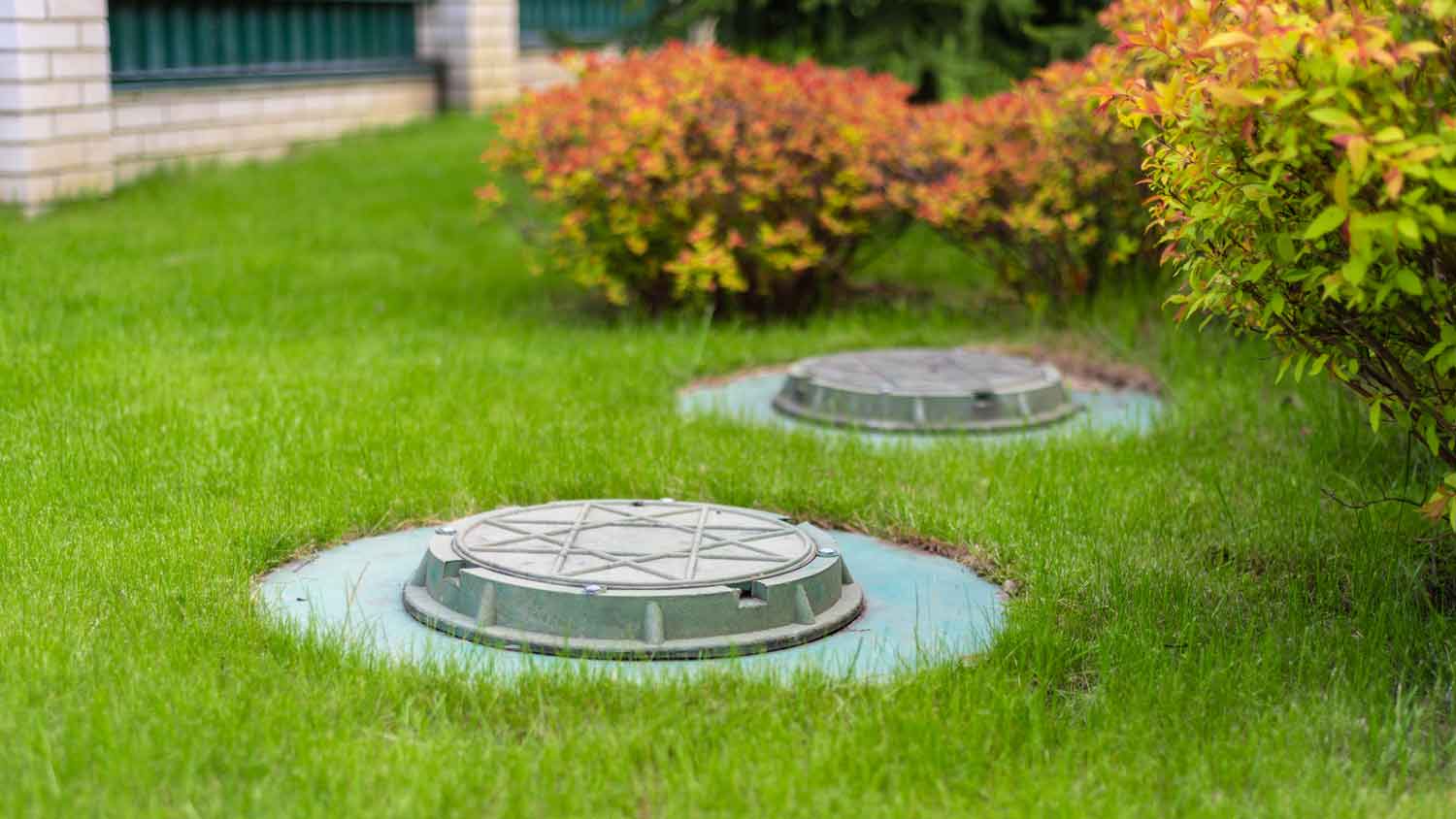
Yes, a septic tank riser can replace a concrete septic tank lid. Risers are designed to replace various types of septic tank covers, including concrete, metal, and fiberglass, to provide easier access for pumping and repairs. While a plastic riser makes future access more convenient, the initial replacement can be difficult because concrete lids are very heavy, so it is a job best left to professionals. Once installed, you will need to be cautious around the riser during yard work, such as mowing, to avoid causing damage.
There are a few things that can make your drain field fail. These include driving or parking vehicles or heavy machinery on the field, excess sodium in the soil, or having a high water table. You can prevent failure by ensuring your installer checks that your chosen location is suitable for a drain field and properly maintaining your system with the help of a professional.
Recognizing signs of a failing septic system is crucial to prevent costly damage and health hazards. Foul odors in and around your home, slow drainage in sinks and toilets, or gurgling noises in plumbing fixtures can indicate problems with drainage. Lush, green patches of grass near the drain field or wastewater pooling on the ground are alarming signs that may indicate a leak in the system. If you notice any of these symptoms, it's vital to address them promptly to avoid more extensive and expensive issues.
The Ferron, UT homeowners’ guide to septic tank services
From average costs to expert advice, get all the answers you need to get your job done.
It’s crucial to install a septic tank with the right volume to avoid wastewater backups. This guide will help you calculate the right septic tank volume.
Septic tank sizes vary depending on the size of your home, how many people live there, how much water you use, and more. Read on to learn how to determine the right size for you.