






Top-rated septic tank pros.

Get matched with top septic tank pros in Helper, UT

Enter your zip and get matched with up to 5 pros

Need a pro for your septic tank service project in Helper, UT?

Select your specific project to find the pro for you.

Find Septic tank pros in Helper

Avatar for Phynix, LLC
Phynix, LLC
5.0(
7
)
Septic System - Install or ReplaceSeptic System - Install or Replace - For BusinessSeptic System - Repair+3 more

Serving Helper, UT and surrounding areas

In business since 2024

Free estimates

Credit card accepted

"Absolutely fantastic service! I recently had a major issue with my sewer line, and this team came to the rescue. Their professionalism and expertise were evident from the moment they arrived. They quickly diagnosed the problem and explained the solution clearly. The repair was completed efficiently, and they left the area spotless. I was particularly impressed with their attention to detail and commitment to ensuring everything was perfect. I highly recommend their services to anyone in need of sewer repairs. Five stars all the way!"
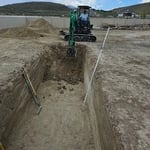
In ground greenhouse dig
Sewer Lateral Replacement
New Walkway
In ground greenhouse dig
Sewer Lateral Replacement

+31

Recommended by100%of homeowners

Avatar for American Home Shield – Home Warranty
American Home Shield – Home Warranty
3.5(
5,688
)
Septic System - Install or ReplaceSeptic System - Install or Replace - For BusinessSeptic System - Repair+3 more

Serving Helper, UT and surrounding areas

In business since 1971

Credit card accepted

"The technician emptied the freezer, which was in the basement, to work on the part that needed repair. Then he neglected to put anything back into the freezer, including a turkey I had bought for Christmas and a rack of ribs. Two days after he left, I went out of town for two weeks. The turkey actually exploded and spewed its liquid all over everything, which had to be discarded. I let AHS know and they couldn't even bother to call me or follow up on this. I'm considering not renewing my contract with them because of the quality (or lack thereof) of many of the providers they send."
Additional Photos
Additional Photos
Additional Photos
Additional Photos
Additional Photos

+2

Recommended by65%of homeowners
Septic Tanks questions, answered by experts

Mound systems can fail if foreign objects are flushed into the septic tank, the septic tank is backed up with solid waste (sludge), if wastewater floods or seeps from the mound, or if any part of the system is clogged. To prevent this, only flush toilet paper and your normal “business” down toilets, and get a septic inspection at least yearly.

How do you set your well’s pressure tank? All you need to do is first drain the tank of water and find the pressure switch. Remove the switch cover and adjust the switch with a wrench—clockwise to increase water pressure, and counter-clockwise to reduce it. Each complete turn of the nut on the switch should equal 2.5 psi. Once this is done, replace the switch cover. All that’s left is to adjust the pressure of the tank itself using an air compressor and a tire gauge to support the new setting.

While mound septic systems can provide cost-effective wastewater treatment in many instances, they do come at a significant initial installation cost and require a lot of space on your property for the mound and its replacement field. The installation cost is so high because this is a project that requires an exceptional level of skills and expertise to execute properly.

We’ve explained how deep-rooted plants can damage a septic tank from the outside, but plenty of things can ruin it from the inside, too. For example, flushing bulky items (like paper towels, diapers, and wipes) can clog your septic tank. Cooking oil, grease, and household chemicals can also harm your system. And since a new septic system costs between $3,460 and $11,450, it’s worth following these guidelines.

There are many reasons you may want to extend the depth of an existing well or drill a new, deeper well on your property. A deeper well can tap cleaner water sources—shallow water may contain more contaminants. With a deeper well, you’ll also have an easier time reaching the water table depth (the level at which underground water is found) and can get past tricky soil conditions. 

Plus, if your local building code requires a minimum well depth for safety and environmental standards, you’ll meet the code by digging a deeper well in the first place.

The Helper, UT homeowners’ guide to septic tank services

From average costs to expert advice, get all the answers you need to get your job done.