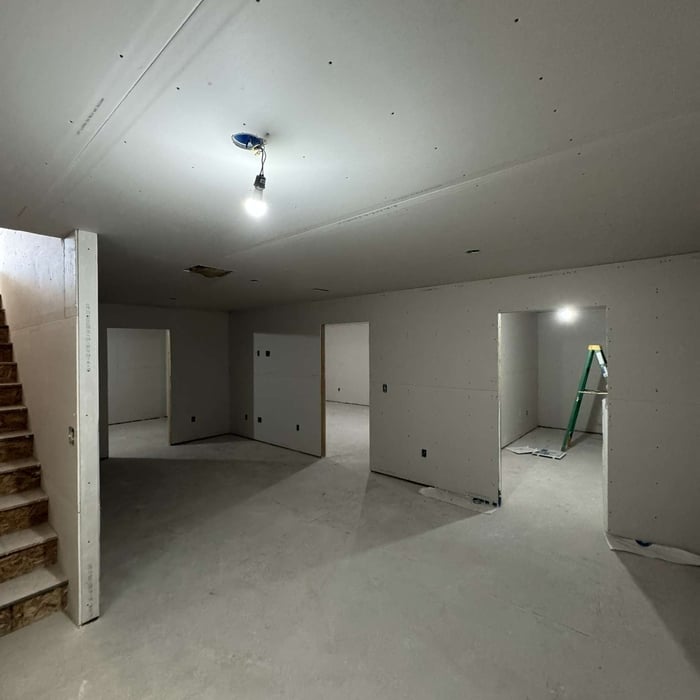





Top-rated drywall pros.

Get matched with top drywall pros in Farmington, UT

Enter your zip and get matched with up to 5 pros

Need a pro for your drywall service project in Farmington, UT?

Select your specific project to find the pro for you.

TRUSTED BY FARMINGTON, UT HOMEOWNERS

  • Average homeowner rating star icon4.4
    Average homeowner rating
  • Verified reviews icon134
    Verified drywall services reviews

Find Drywall pros in Farmington

Advanced Drywall & Remodeling, LLC
5.0(
15
)
Drywall - RepairDrywall - Repair - For Business

Serving Farmington, UT and surrounding areas

Approved

In business since 2015

Free estimates

Emergency services offered

"Moises is the best! He has worked on multiple drywall projects in our home and is super reliable, dependable and honest. He takes pride in his work, does it VERY well and is good at communicating throughout the process of the project. We will have him back again for sure!"
Response time5 hrs
Response rate87%
5 neighbors recently requested a quote
Avatar for DFG Drywall Professionals, LLC
DFG Drywall Professionals, LLC
4.6(
44
)
Drywall - RepairDrywall - Repair - For Business

Serving Farmington, UT and surrounding areas

Approved

In business since 2019

Free estimates

Customers say: True professional

"They are drywall and paint experts. With just two visits, they finished all the drywall repair and the final paint jobs, with the best work quality and highest level of handicraftsman fineness."
Response time4 hrs
Response rate92%
10 neighbors recently requested a quote
Miller HMS, LLC
5.0(
18
)
Drywall - Repair

Serving Farmington, UT and surrounding areas

Approved

In business since 2015

Free estimates

Offers commercial services

"Charlie and Brad are professionals, craftsman and all-around good people. We were lucky to find them here on HomeAdvisor and hired them for a week's work in our home. They were instrumental in the remodel of our kitchen, providing demolition, drywall, and paint services. All work was beautifully completed. These guys are masters of their trade and take pride in their work. They are also incredibly thoughtful and clean. My partner and I enjoyed having these guys around, and were happy to pay the bill for the value we received. We are also already planning additional project work with them. So get in line people!"
Response time7 hrs
Recommended by100%of homeowners
...
Showing 1-10 of 225
Drywall questions, answered by experts

Plastering and skimming are two different techniques for finishing walls. Plastering involves applying a thick layer of a plaster mixture—typically containing gypsum, lime, cement, sand, and water—to create a new surface. This process often requires multiple coats and is used for repairing significant damage or creating decorative textures. Skimming, on the other hand, is a technique that involves applying a thin layer of drywall compound or joint compound over an existing surface to smooth it out, covering minor imperfections, small cracks, or uneven textures for a polished look. Plastering is generally more costly and labor-intensive than skimming. Although some people use the terms interchangeably, they refer to different processes and materials.
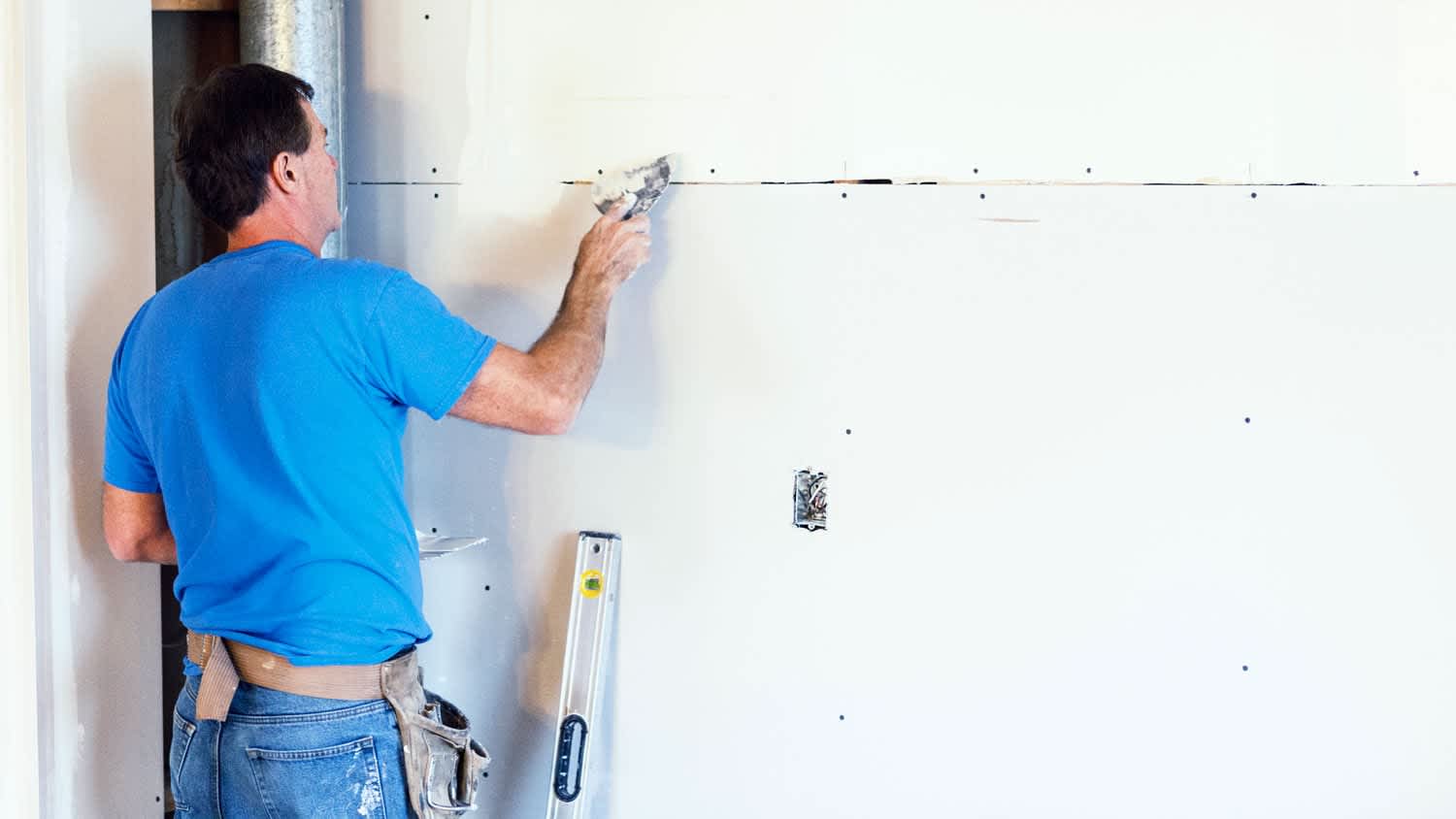
Glass walls are more expensive overall than their brick or drywall counterparts. However, if you need walls for a building with more than two or three stories, glass walls are the more budget-friendly option.

The cost to texture drywall depends on whether you want to do the work yourself or hire a professional. The cost of the drywall mud is far lower than labor costs for applying it. The labor cost to spray drywall compound onto a wall is between $0.80 and $1.50 per square foot, while you’ll pay between $1.50 and $2 per square foot for the labor to apply the texture by hand.

Although they are used for similar tasks, spackle and joint compound are not the same. Joint compound, also known as drywall mud, consists of limestone and gypsum and is primarily used for large-scale projects like taping and finishing seams on new drywall. Spackle is composed of gypsum and binding agents, making it a thicker compound best suited for small wall repairs like filling nail holes or cracks, as it dries quickly and is easy to sand. For small repairs, either product can be suitable. However, you can use joint compound for small jobs in place of spackle, but you cannot use spackle for large-scale taping and mudding projects.

There are several benefits to wet-sanding drywall, but the main perk is that it produces far less dust than dry-sanding. As a result, wet-sanding poses fewer health risks and makes less of a mess in your home. Plus, damp sponges are less abrasive than sandpaper, so there’s a smaller chance of scratching or damaging the drywall paper. Wet-sanding also creates a smoother finish than dry-sanding.

The Farmington, UT homeowners’ guide to drywall services

From average costs to expert advice, get all the answers you need to get your job done.