




Top-rated asphalt driveway pros.

Best asphalt driveway pros near Farmington, UT

Enter your zip and get matched with up to 5 pros

Need a pro for your asphalt driveway service project in Farmington, UT?

Select your specific project to find the pro for you.

Top-Rated Asphalt driveway pros in Farmington - Updated Nov 2026

Avatar for On Grade Construction LLC
On Grade Construction LLC
4.6(
21
)
Concrete Driveways - Install

Serving Farmington, UT and surrounding areas

Approved

Super Service Award Winner

In business since 2023

Free estimates

Emergency services offered

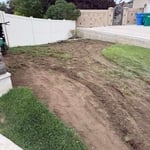
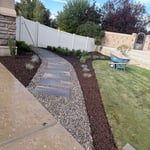
"Brad with On Grade was great. He communicated well every step of the way and he went above and beyond for us. He removed five dump trailers of sod and soil to widen our driveway, enlarge our patio and create two walking paths in the yard and then brought in gravel and spread it. We?ll definitely use him again!"
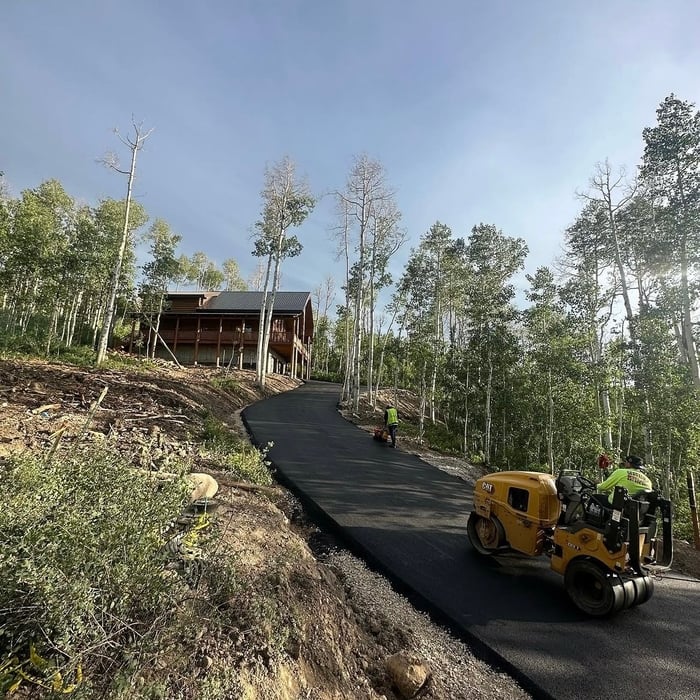
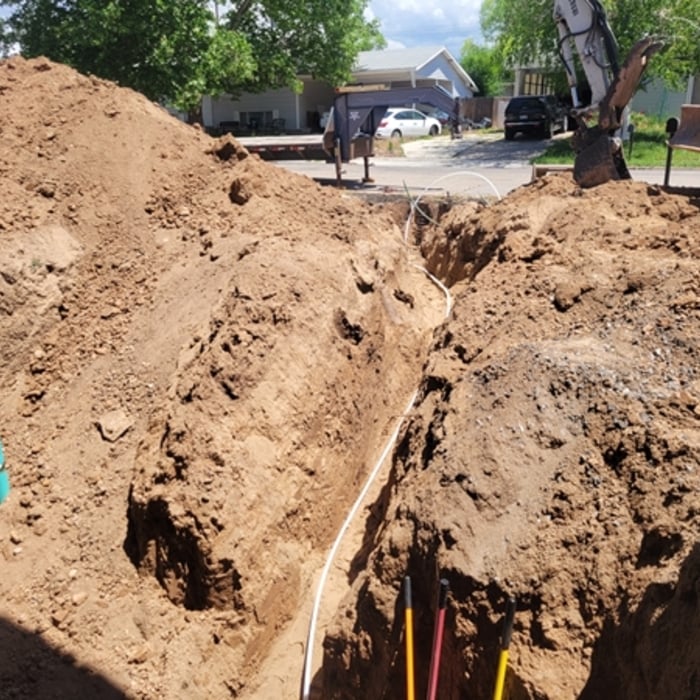
First Lift Placed & Compacted by Hand
Cold Storage Addition
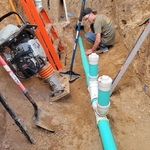
Update Water Line to 1" Pex-A
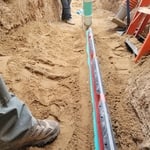
4' Min Depth out to Meter Vault

+68

Response time6 hrs
Response rate96%
11 neighbors recently requested a quote
...
Showing 1-10 of 277
Asphalt Driveways FAQs, answered by experts

Asphalt and tarmac are not the same thing. Traditional tarmac, short for tarmacadam, uses tar as a binder to hold crushed stone together. Asphalt uses bitumen—a byproduct of crude oil—to bind aggregate. Though tarmac was once a go-to for roads, asphalt has become the modern standard. And these days, most surfaces referred to as “tarmac” are actually asphalt. So, while the names may overlap, the key distinction lies in the binder—tar for tarmac and bitumen for asphalt.

The three most common types of asphalt are hot asphalt, MC cold mix, and UPM asphalt. Hot asphalt is used most often for paving and patching roadways while it’s hot and workable. MC cold mix asphalt cures more slowly than hot asphalt, but it can be used for temporary patches and repairs in low-traffic areas. UPM is also used cold, but it can be used as a longer-term fix, usable in almost any conditions at almost any temperature.

The driveway apron is a technical term referring to where a private driveway meets the public street. If there is a sidewalk in front of the house, the driveway apron is typically on the opposite side of the public sidewalk from the driveway itself.
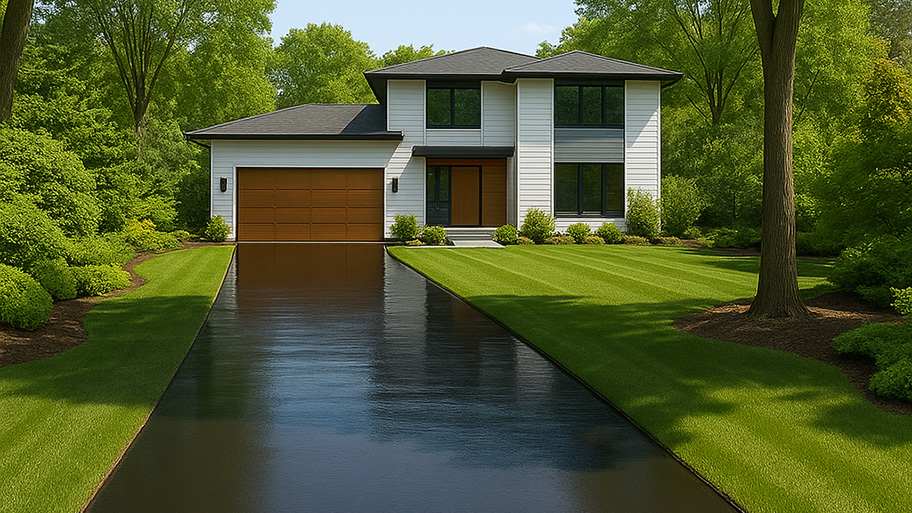
The choice between asphalt and concrete depends on your priorities, budget, and climate.

Concrete is generally more durable, lasting up to 50 years with minimal upkeep, and offers more customization options like staining and stamping, which can add more to a home's value. However, it is more expensive upfront and can be prone to cracking in cold climates where water can freeze and expand.

Asphalt is typically cheaper and quicker to install and is easier to repair. It performs better in colder climates. However, it requires more maintenance, including regular resealing, has a shorter lifespan, and can get hot and sticky in intense sunlight.

Ultimately, if durability and long-term value are key, concrete is often the better choice. If upfront cost and performance in cold weather are more important, asphalt may be preferable.

Building a road on a slope requires careful planning and will normally require a drainage system underneath to prevent flooding and damage to the road over time. Your professional may lengthen your road to create switchbacks if the slope directly to your home is too steep, as there are regulations for maximum road slope. The drainage system will help prevent runoff from the higher side of the slope from damaging the asphalt or concrete. Keep in mind that building a road on a slope isn’t a good DIY project, as a lot can go wrong.

The Farmington, UT homeowners’ guide to asphalt driveway services

From average costs to expert advice, get all the answers you need to get your job done.