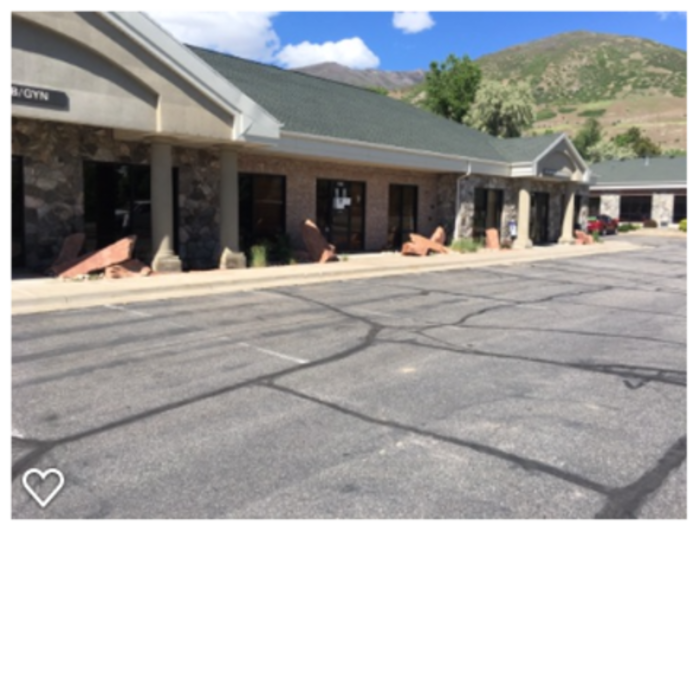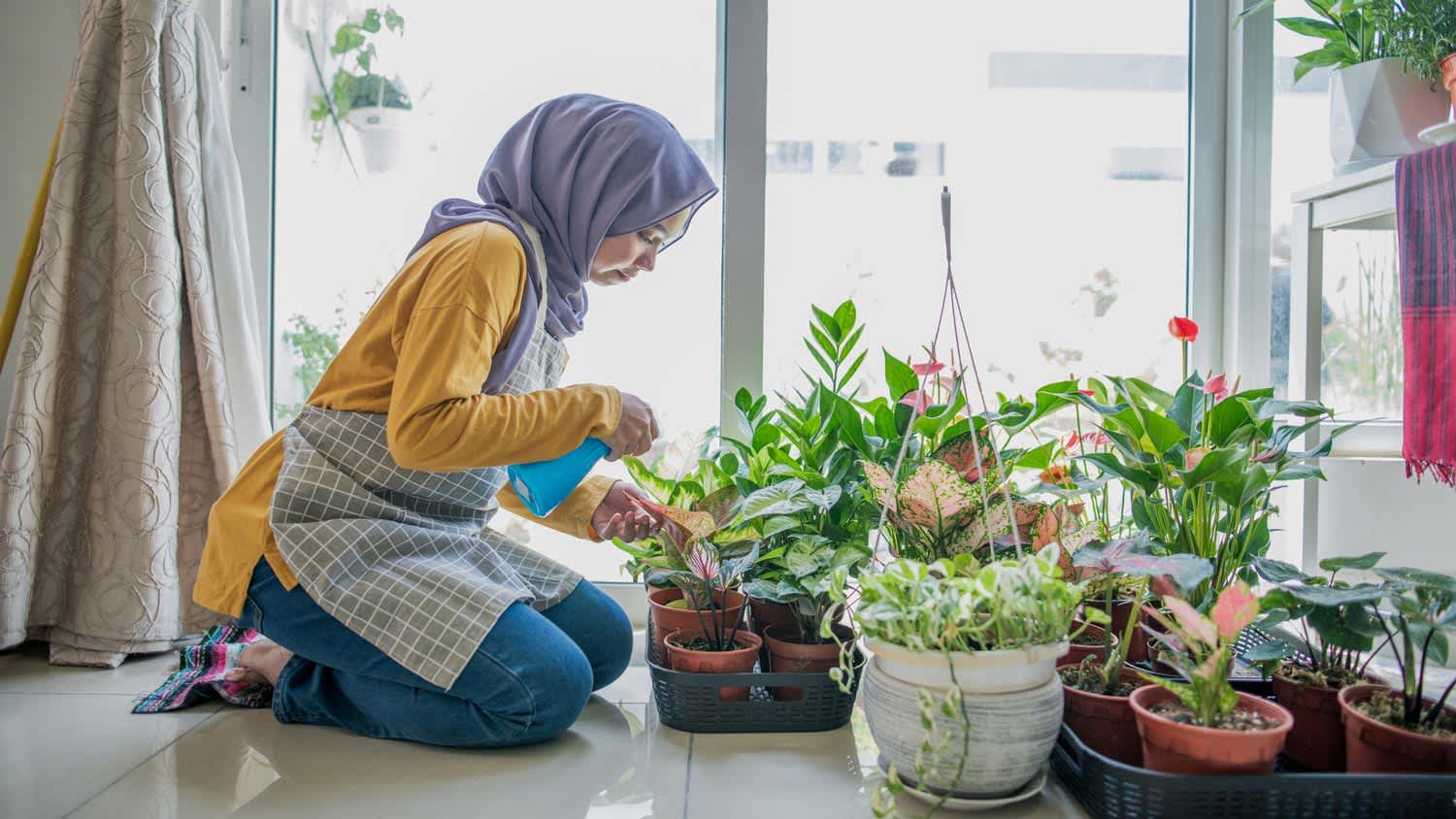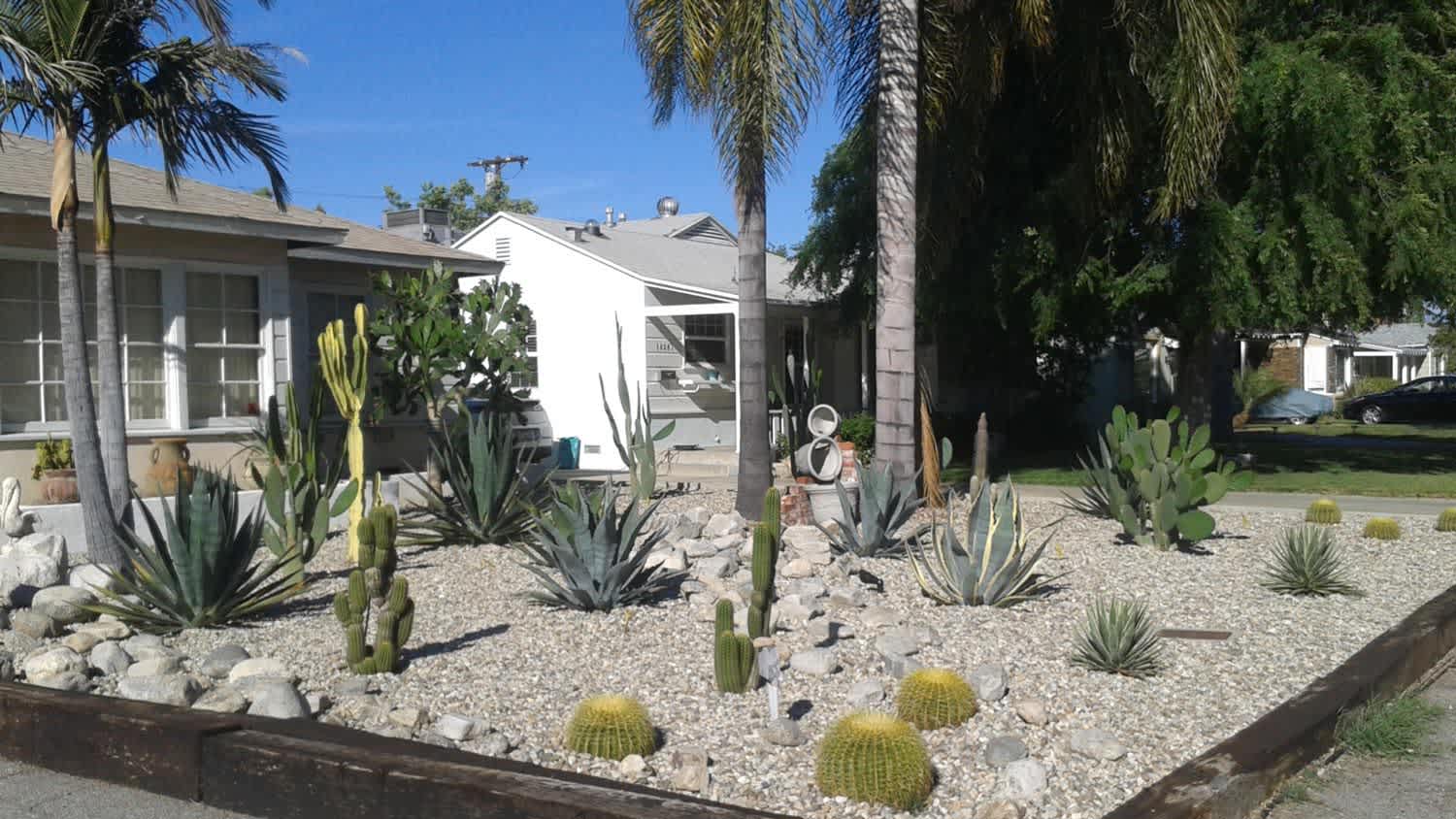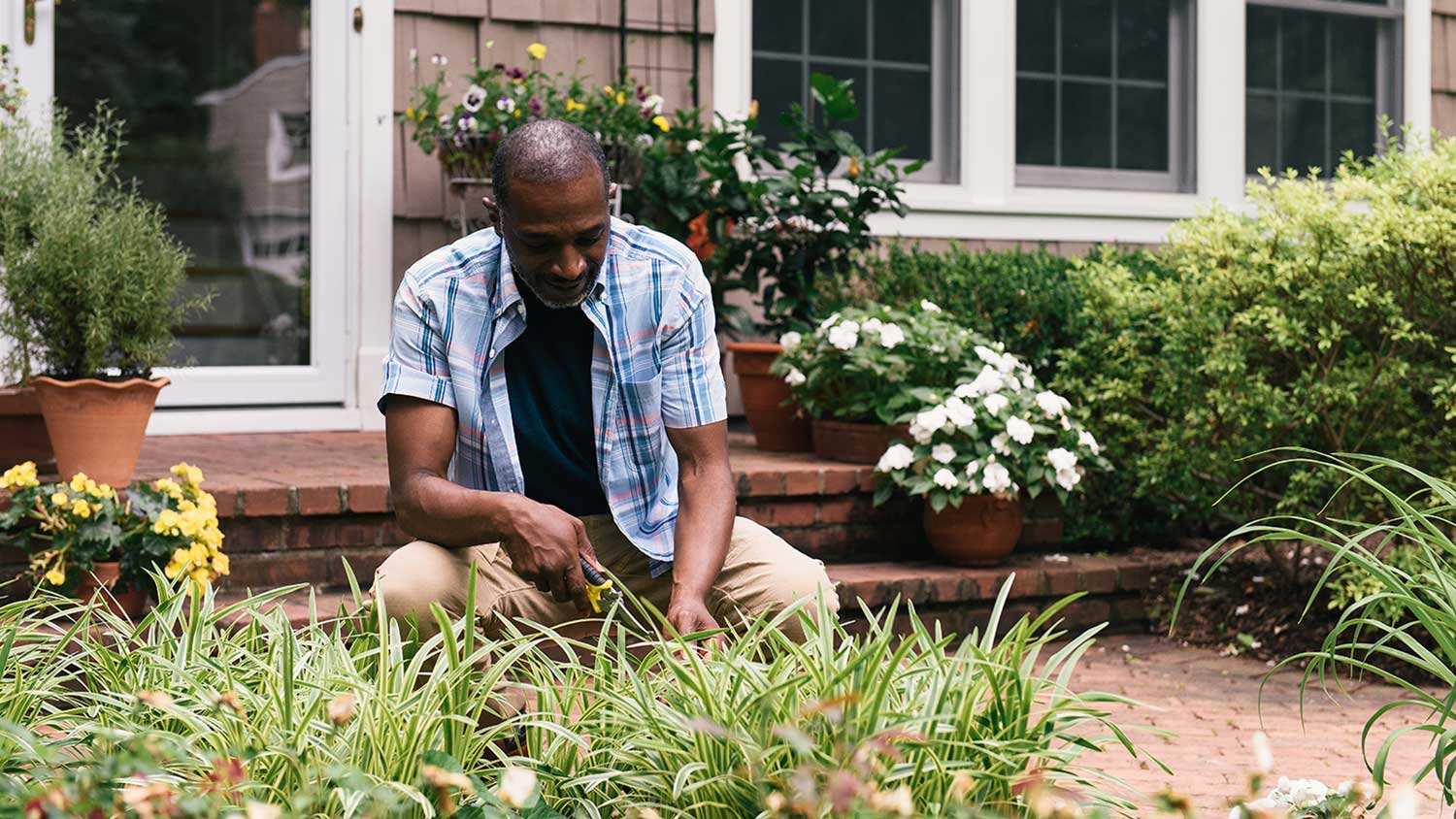




Top-rated plant watering pros.

Get matched with top plant watering pros in Clinton, UT

Enter your zip and get matched with up to 5 pros

Need a pro for your plant watering project in Clinton, UT?

Select your specific project to find the pro for you.

TRUSTED BY CLINTON, UT HOMEOWNERS

  • Average homeowner rating star icon4.1
    Average homeowner rating
  • Verified reviews icon321
    Verified plant watering services reviews

Find Plant watering pros in Clinton

No results for Plant watering pro in

Try adjusting your search criteria.
Plant Watering questions, answered by experts

Drywall is safe to cut as long as you follow proper procedures, such as wearing personal protective equipment and using the right tools to score and cut the drywall. When cutting new drywall, it can release dust with silica and other compounds that could pose health risks. Leave cutting drywall to the pros, or wear a high-quality respiratory mask, goggles, and other PPE when handling drywall.

Drywall insulation costs around $1,800, on average, but prices can range from $500 to $4,500, depending on a few different factors. The following things are important considerations to make when pricing out your insulation project:

  • Square footage of insulation

  • Type of insulation 

  • Climate in your area and the insulation R-value required

  • Whether or not your walls are already finished

  • Accessibility of the area 

  • Whether or not you need old insulation removed first

You can usually tell if you have plaster or drywall by touch (plaster is harder, colder, and smoother than drywall) or by tapping on it (drywall sounds hollow, plaster does not). If you still cannot tell, peek under an outlet cover and check the cut edges. The rough edges show the composition of the wall. You will see either drywall (two paper sheets sandwiching gypsum material) or only plaster material (no paper sheets).

Plaster provides a durable, soundproof, and moisture-resistant finish compared to drywall.

Although they have similar applications, spackle and joint compound are not the same. Their primary differences lie in their composition, consistency, and ideal use cases.

Spackle is composed of gypsum and binding agents, making it thicker than joint compound. It dries quickly and is easy to sand, which makes it ideal for small wall repair projects like filling nail holes or patching minor damage.

Joint compound, also known as drywall mud, consists of limestone and gypsum. It is primarily used for large-scale projects, such as taping and finishing the seams on newly installed drywall. It tends to shrink more than spackle and can be more difficult to spread.

While both products can be used to fill small depressions and cracks, spackle cannot replace joint compound for taping and mudding new drywall. Conversely, you can often use joint compound for small patching jobs typically done with spackle.

The Clinton, UT homeowners’ guide to plant watering services

From average costs to expert advice, get all the answers you need to get your job done.