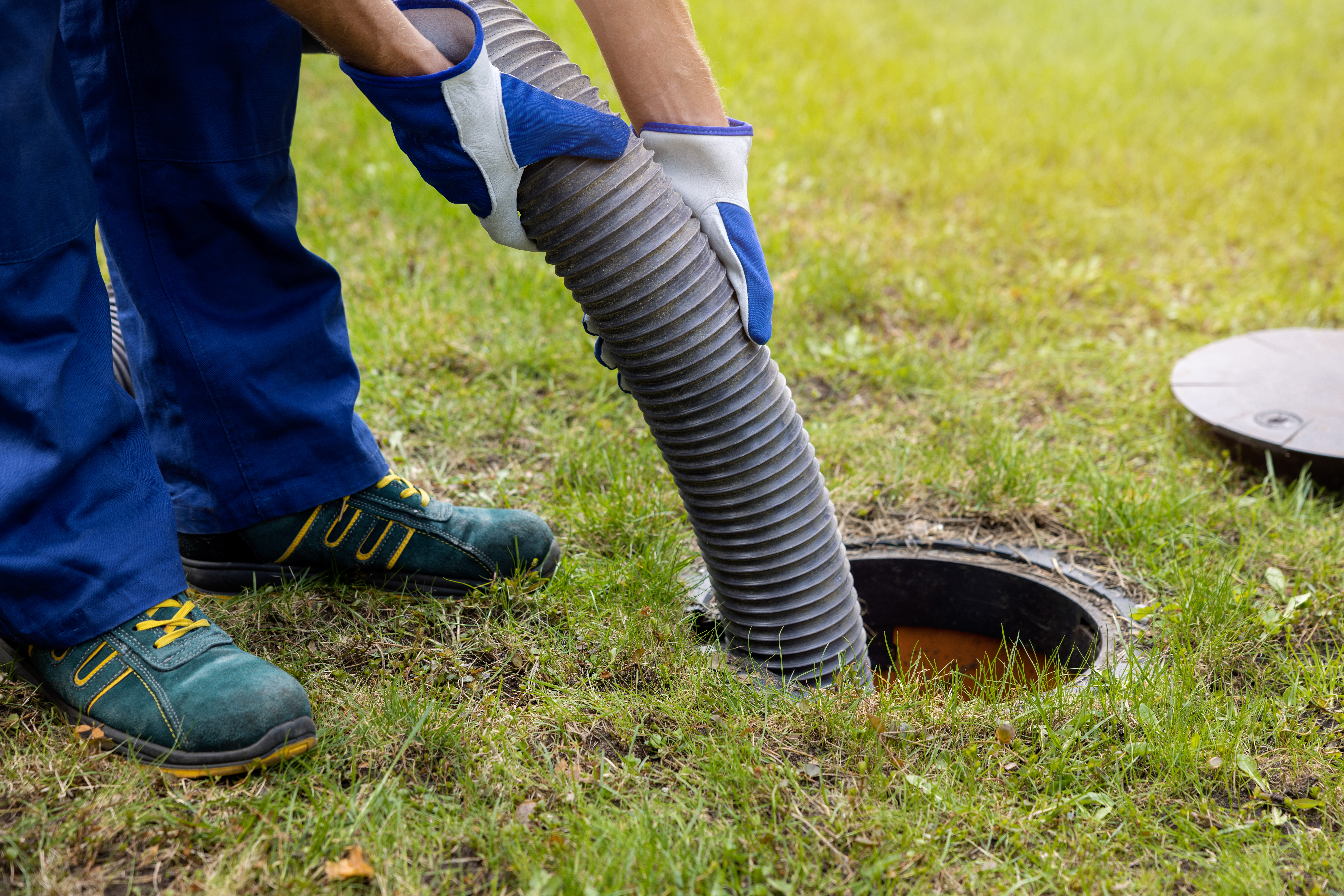



Top-rated septic tank pros.

Get matched with top septic tank pros in Blanding, UT

Enter your zip and get matched with up to 5 pros

Need a pro for your septic tank service project in Blanding, UT?

Select your specific project to find the pro for you.

Find Septic tank pros in Blanding

Avatar for KINETIC ENTERPRISES
KINETIC ENTERPRISES
5.0(
6
)

Serving Blanding, UT and surrounding areas

In business since 2015

Free estimates

Emergency services offered

We are a Family owned and operated business, we take pride in our great employees and the excellence we all strive for in our work. The reward of 100% satisfaction from our customers is our focus and goal, we like to work directly with each client to achieve the result each individual wants or prefers. With over 8 years in the industry we can provide experience and solutions for whatever project or challenges you may have.
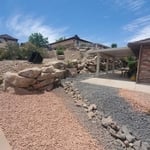
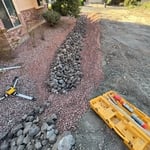
Site 1
Site 1
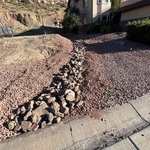
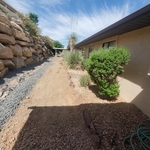
Site 2
Site 2
Additional Photos

+5

Recommended by100%of homeowners

Avatar for American Home Shield – Home Warranty
American Home Shield – Home Warranty
3.5(
5,688
)

Serving Blanding, UT and surrounding areas

In business since 1971

Credit card accepted

"The technician emptied the freezer, which was in the basement, to work on the part that needed repair. Then he neglected to put anything back into the freezer, including a turkey I had bought for Christmas and a rack of ribs. Two days after he left, I went out of town for two weeks. The turkey actually exploded and spewed its liquid all over everything, which had to be discarded. I let AHS know and they couldn't even bother to call me or follow up on this. I'm considering not renewing my contract with them because of the quality (or lack thereof) of many of the providers they send."
Additional Photos
Additional Photos
Additional Photos
Additional Photos
Additional Photos

+2

Recommended by65%of homeowners
Septic Tanks questions, answered by experts

Yes, septic tank companies must be licensed in most states and municipalities to perform services like installation, alteration, repair, and pumping. Since laws vary by location, it's crucial to check local requirements.

Hiring an unlicensed professional can lead to poor work, code violations, and significant fines. Always verify that your chosen company is properly licensed and fully insured to avoid liability. You can use tools like Angi’s contractor licensing search to check a pro's credentials.

It's also helpful to understand the difference between licensing and certification. A license is a legal requirement to operate, while certifications are voluntary. Credentials like the “Angi Approved” badge indicate that a business meets extra standards, such as passing a background check and maintaining a high rating.

On average, septic systems last between 15 and 20 years. However, with proper care and routine septic maintenance, you may be able to extend your septic system’s life span to 30 years (or more). Some ways to keep your system in tip-top shape include scheduling a professional inspection every two to five years and reducing the flow of wastewater into your system.

The smallest septic system available for purchase typically includes a 750-gallon tank. However, the smallest size you can legally install is determined by local regulations, and many areas require a minimum capacity of 1,000 gallons. The cost to install a small septic system generally ranges from $2,910 to $13,900. Before proceeding, it is essential to check with your local health department or consult a local septic professional to confirm the minimum legal requirements in your area.

There should be a red button or an on/off switch on or in your box. Press the button or flip the switch, then turn it back on by doing the same action again. If this doesn’t work, reset the breakers inside the box by flipping them off and back on again. After this, your alarm should stay off if there’s nothing wrong with your system. However, if the alarm is still sounding and there’s still a red light on, it’s time to call a pro for a diagnosis.

There is no standard depth for burying a septic tank; they are typically buried anywhere from 4 inches to 4 feet underground. The final depth depends on several factors, including the depth of your main sewer line, the height of the bedrock, soil type, local regulations, and the property's landscape. If you plan to grow grass or plants over the tank, a depth of at least 4 to 6 inches is recommended. Deeper tanks can be more difficult to locate, but a septic professional can help find it for you.

The Blanding, UT homeowners’ guide to septic tank services

From average costs to expert advice, get all the answers you need to get your job done.