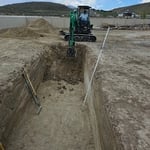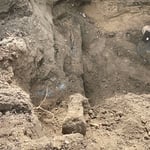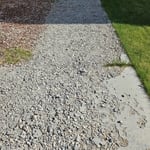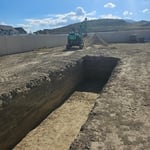








Top-rated basement waterproofing pros.

Get matched with top basement waterproofing pros in Apple Valley, UT

Enter your zip and get matched with up to 5 pros

Find Basement waterproofing pros in Apple Valley

My Buddys Foundation and Repair
New to Angi
Foundation, Basement or Crawlspace - Waterproofing / Encapsulation

Serving Apple Valley, UT and surrounding areas

In business since 2024

Free estimates

Credit card accepted

We're dedicated to providing our clients with the very best in concrete waterproofing projects and a variety of other concrete work. With over 8 years of industry experience, we take an enormous amount of pride in the attention to detail put into each of the project we're involved with. We're known for our quality of work and integrity of our business. We look forward to building long-term relationships with our clients, and guarantee your satisfaction. Weekends by appointment only.

Response time4 hrs
Response rate95%
Avatar for Silver Legacy  Excavating LLC
Silver Legacy Excavating LLC
New to Angi
Foundation, Basement or Crawlspace - Waterproofing / Encapsulation

Serving Apple Valley, UT and surrounding areas

In business since 2014

Free estimates

Offers commercial services

At SLX Excavating it is our mission to provide the highest quality of service in all aspects of our business. We are extremely thorough in services that we provide and aim to be very receptive to any client's issues, questions or concerns and handle them promptly and professionally. We take necessary steps to ensure that our clients are completely satisfied with all of our contractual and assumed responsibilities. Above all else, we will fulfill these responsibilities while maintaining the highest ethical standards in both of our work and our character.

Response time3 hrs
Basement Waterproofing questions, answered by experts

Typically, waterproofing a basement should last up to 10 years. However, it’s worth noting that with proper maintenance and depending on the waterproofing method and installation quality, you can probably squeeze another decade out of it.

Rigid foam board insulation is one of the safest insulation materials for basement walls. The panels offer a moisture barrier to prevent mold and mildew build-up. At the same time, this material is also fire-resistant, so you don’t have to worry as much about a fire breaking out as you would with spray foam insulation. 

It depends on what caused your basement flooding, the extent of the problem, and the risk of the flood continuing. If your flood is coming from a septic system or sewer line, breathing in the sewer gasses can be dangerous, so you should vacate. If the flood occurs from an ongoing natural disaster, relocating to a safe area might be wise. If you just have a plumbing leak or rainwater coming in, you can likely stay in the house if you don’t have electrical lines down there, but make sure you call in professionals to fix the issue immediately.

External pressure on the basement wall can cause it to bow inward. Soil, heavy with water saturation, is commonly the main culprit. The soil exerts immense pressure on the wall, causing it to fail, at least partially. This is known as hydrostatic pressure—these situations can occur after rainfall or simply due to regular groundwater presence and may be temporary or more permanent.  

While a standard gutter system is widely considered the most effective way to prevent water damage to your home's foundation, several alternatives are available. These options can be used on their own in certain climates or as supplementary protection.

Common alternatives include:

  • Rain Chains: These are decorative chains that hang from the roof's edge, guiding rainwater to the ground.

  • Drip Edges: These metal strips are installed at the edge of the roof to direct water away from the fascia. While often used with gutters, they can be paired with a ground-level solution but are typically not sufficient on their own.

  • Rain Dispersal Systems: These systems work by breaking up the heavy sheet of water flowing off the roof, dispersing it over a wider area.

  • French Drains: This ground-level system uses a perforated pipe in a gravel-filled trench to collect and redirect water runoff away from the house.

  • Drip Paths: Placed directly below the roofline, these paths made of concrete, stone, or other materials prevent soil erosion and guide water away.

It's important to note that some alternatives like rain chains and dispersal systems may not be adequate in regions with heavy rainfall because they don't divert water away from the foundation as effectively as a full gutter system. Ground-based solutions like French drains can be very effective but are often more expensive and can affect your landscaping and curb appeal. Many experts recommend installing a full gutter system for maximum protection and using alternatives as supplementary measures.

The Apple Valley, UT homeowners’ guide to basement waterproofing services

From average costs to expert advice, get all the answers you need to get your job done.