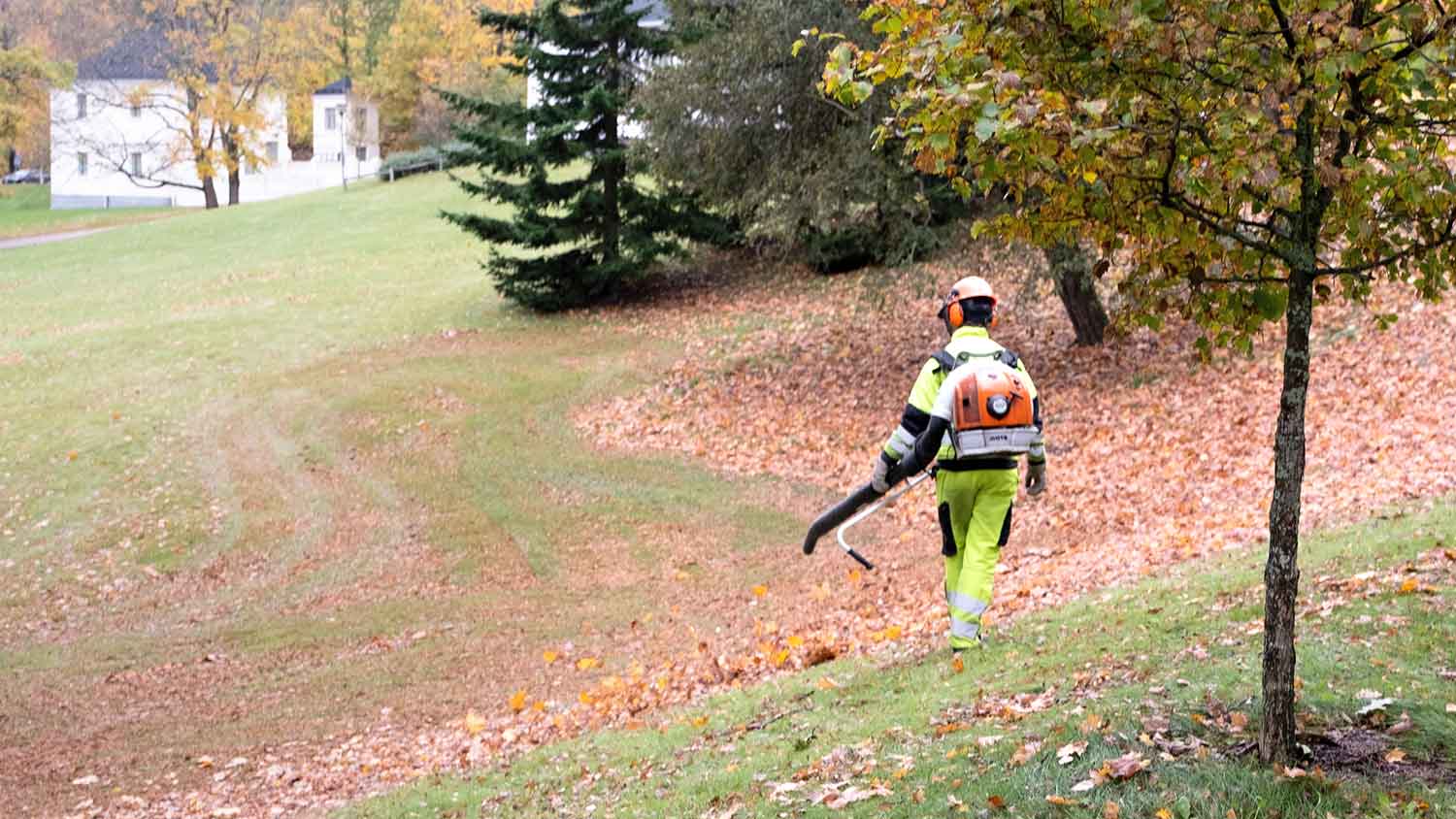
Top-rated leaf removal pros.

Get matched with top leaf removal pros in Apple Valley, UT

Enter your zip and get matched with up to 5 pros

Need a pro for your leaf removal project in Apple Valley, UT?

Select your specific project to find the pro for you.

TRUSTED BY APPLE VALLEY, UT HOMEOWNERS

  • Average homeowner rating star icon4.5
    Average homeowner rating
  • Verified reviews icon12
    Verified leaf removal services reviews

Find Leaf removal pros in Apple Valley

Avatar for Augusta Lawn Care of St. George
Augusta Lawn Care of St. George
New to Angi
Lawn Care - Maintain and Mow a LawnWaste, Junk, Building Materials and Debris - Remove and HaulLawn & Yard Waste Clean Up

Serving Apple Valley, UT and surrounding areas

Approved

In business since 2016

Free estimates

Small jobs welcome

We provide mowing, weed control, fertilization, yard cleanups, Christmas light installation, and other yard maintenance services. We answer our phones, have good communication, and pride ourselves in being the most reliable yard maintenance company in Washington County.

36 neighbors recently requested a quote
...
Showing 1-10 of 71
Leaf Removal questions, answered by experts

Hazardous waste is waste that poses a threat to human or environmental health. This generally refers to waste that is flammable, corrosive, toxic, or reactive. To confirm if the waste you need to remove is considered hazardous waste, contact your local hazardous waste facility.

The best way to remove lead paint is by wet hand sanding and removing all dust and residue with a HEPA vacuum. Professionals may also strip and scrape lead-based paint with a paint scraper. In some cases, you may choose to have a pro encapsulate or enclose your lead-based paint surface by covering it with a sealant or a new material. You may also choose to replace the material altogether.

While not all homes built before 1978 contain lead paint, enough do, so you’ll still want to test to be on the safe side. The federal government banned lead-based paint for homes in 1978, but your state may have banned lead before that time. Around 24% of homes built between 1960 and 1977 contained lead-based paint, while 87% of homes built before 1940 contained lead-based paint.

According to the Environmental Protection Agency (EPA), hazardous waste is generally classified into four main categories:

1. Characteristic Wastes: These exhibit at least one of four hazardous traits: ignitability (flammable, like gasoline), corrosivity (can rust or decompose materials, like car batteries), reactivity (unstable and can explode, like aerosol cans), or toxicity (harmful when ingested, like lead-based paint).

2. Listed Wastes: These are specific wastes from manufacturing and industrial processes that the EPA has officially designated as hazardous. They include byproducts from processes that use solvents, pesticides, and other chemicals.

3. Universal Wastes: These are commonly generated hazardous items that are subject to streamlined regulations. Examples include batteries, pesticides, mercury-containing equipment (e.g., bulbs), and some lamps.

4. Mixed Wastes: This category includes waste that contains both hazardous and radioactive components, making it subject to regulation by both the EPA and the Nuclear Regulatory Commission.
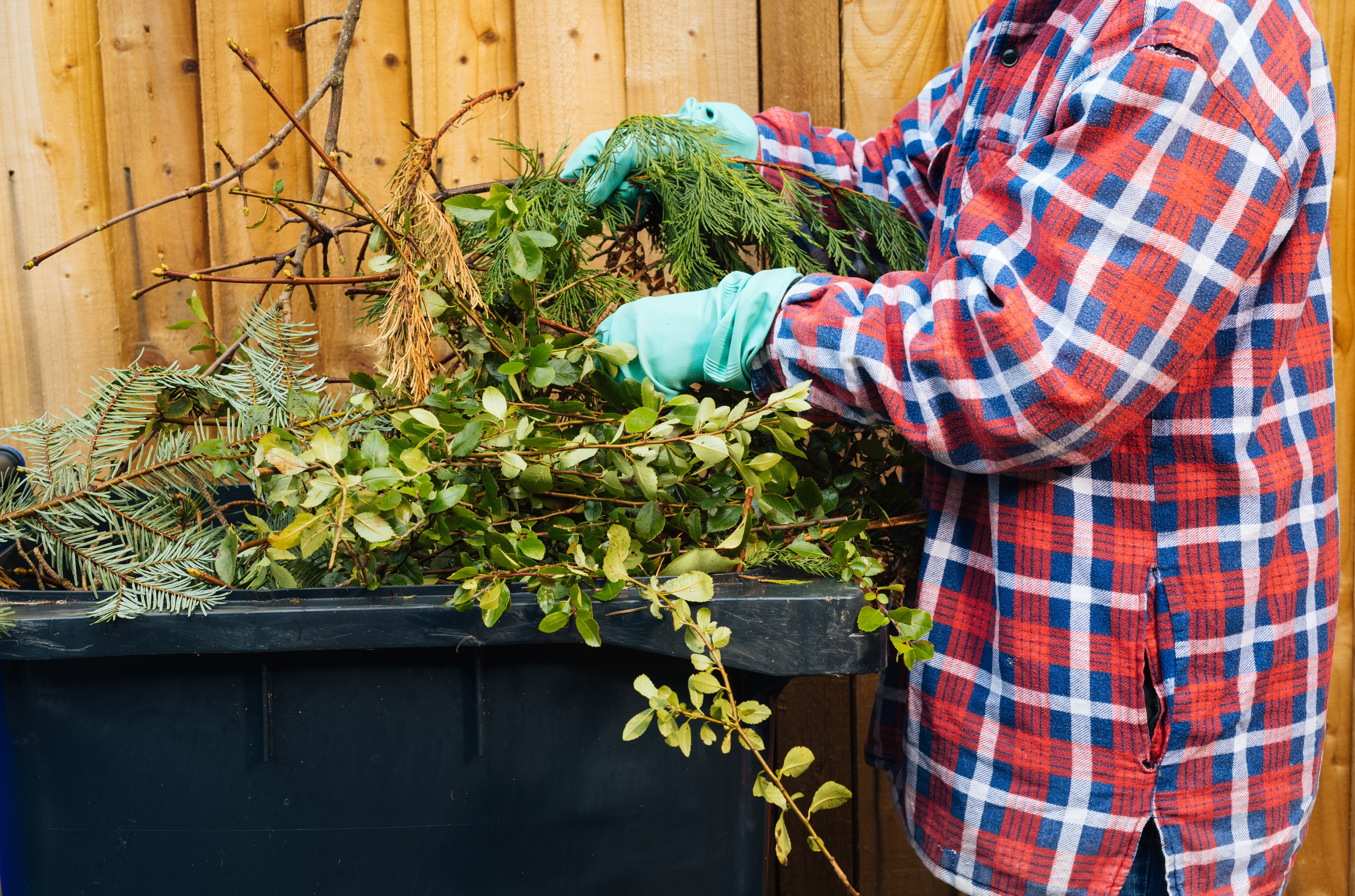
Chlorine has a shelf life of between six months and several years, depending on its type and formulation. Liquid chlorine can often lose its effectiveness in just a few weeks. Pool owners can find themselves with overstock that they need to get rid of. The best way to dispose of excess chlorine is to take it to a hazardous waste collection site and let the pros handle it.  
The Apple Valley, UT homeowners’ guide to leaf removal services

From average costs to expert advice, get all the answers you need to get your job done.