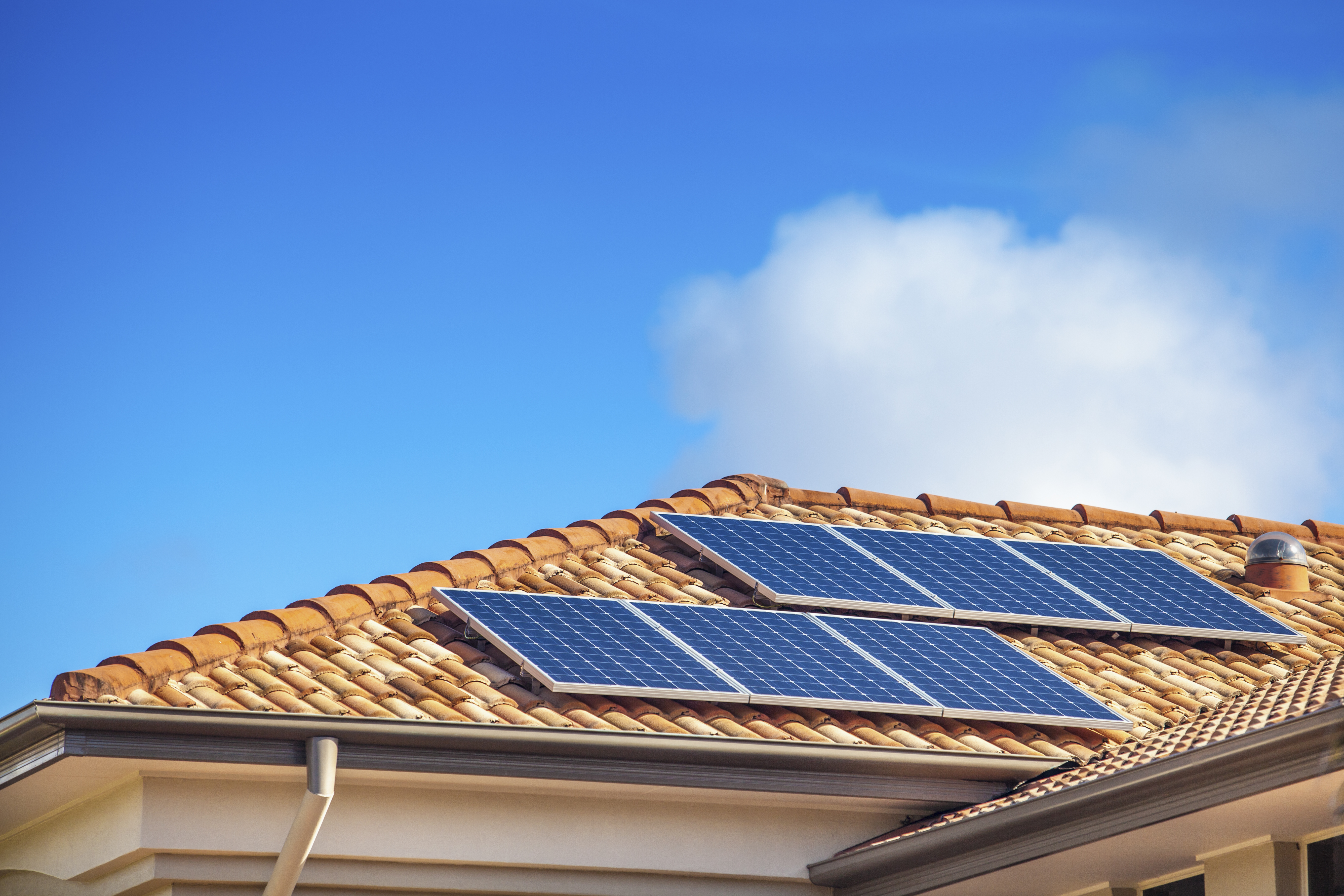
"Was very satisfied with my solar system and installation. From the initial consultation to the final activation, everything went smoothly and as efficiently as possible. Would recommend to anyone wanting a top of the line solar system with truly professional installation and support."
We provide residential and commercial solar power options, and provide support services for industry partner companies. We offer no cost consultations and $0 down financing. Please contact our office for a consultation at (931)922-8258.
"Custom Electric was top notch. The bidding was quick, they answered al my questions promptly, and installed the system in the time frame they said they would. The install was neat and done professionally. They showed me how to install the app on my phone to monitor the energy production. Now my bill is just $10 each month down from $500. Amazing."
Discover the extraordinary opportunity to harness solar energy for your electricity needs, with our highly competitive starting rate of only $20 per month. Take advantage of this exclusive offer to determine your eligibility today and unlock the potential savings. As an added incentive, upon qualification, you will receive a generous $1000 Visa gift card, further enhancing your solar experience. Rest assured, our commitment to your utmost satisfaction is unwavering. Additionally, we proudly extend the lowest rates in the industry for roofing solar solutions. Join us and embark on a remarkable journey towards energy efficiency and cost savings.
EMCO Heating & Air is here for all your residential and commercial heating and air conditioning repair needs. As a full-service heating and air contractor serving St. George, Cedar City and the surrounding areas in Southern Utah, our team is highly specialized and can do anything from simple heating and air conditioning repairs to full HVAC designs and installs. Let our friendly HVAC technicians find the perfect heating and cooling solutions for you.
We pride our company on reliability, great communication, integrity, and quality work. We are experts in our trade, and will do our best to keep you educated on your task or project. We look forward to earning your business!
Solar panels should get at least four to six hours of direct sunlight daily. It’s even better if sunlight reaches panels between the peak hours of 10 a.m. and 3 p.m. This is enough to power a home, depending on your solar system’s size and energy needs. Remember that panels will generate some power under cloudy skies or in the shade, and many systems compensate for lower sun exposure by drawing energy from the grid or battery storage.
The average homeowner needs around 22 solar panels, but the exact number depends on your monthly energy consumption. Your solar professional should size your array to offset your consumption, meaning you’ll need fewer panels if you use below-average amounts of electricity, or more than 22 if you use above-average amounts of electricity. The number of panels also depends on the output of each panel. The average is around 400 watts, but you might need more panels if you install less capable equipment. Since there are so many variables, you should have a professional size your system.
Solar water heating systems are not one-size-fits-all. You'll likely work with a team of experts to get the job done—including solar panel installers, plumbers, and water heater installers. A specialist will help you decide if a passive or active system is best for your local weather, home layout, roof stability, and your budget.
Solar panels can pay for themselves in five to 15 years, depending on the cost of your system, how much energy it generates, whether you qualify for incentives or power buybacks, and the price of energy in your area. Solar panels pay for themselves over time as they lower electricity bills, so it will take time to recoup your initial investment. However, the longer you have your system, the more money you can save and earn.
Although solar panels harness the sun's power, they come at an environmental cost. The manufacturing process requires large amounts of water and involves hazardous materials like cadmium, silicon, and gallium arsenide. These materials don’t pose safety hazards while the panels are in use but can pose a problem when left in landfills. Over time, hazardous materials can leach into the environment. This is why recycling solar panels whenever possible is better than taking them to landfills.
The Aneth, UT homeowners’ guide to solar panel services
From average costs to expert advice, get all the answers you need to get your job done.
Find out how much it costs to remove solar panels, including average prices, key cost factors, and tips to save money on your solar panel removal project.
There are three types of solar panels: monocrystalline, polycrystalline, and thin-film. Before choosing one for your home, here are the pros and cons of each.
If you’re making the switch to solar energy, you’ll want to know the difference between solar panels versus solar shingles. Here are the pros and cons of each.