At Davenport Foundation Repair we take great pride in our experience, expertise, quality, and customer service that we provide to meet the consumer's needs. It is our mission to provide excellent workmanship and complete customer satisfaction from start to completion of a project. In order to understand the needs and expectations of our customers, we take great care to work and communicate with every customer in a professional manner. Our reputation is based on service, safety, and quality, regardless of how large or small the job.
\n
"I only use James when I need some work done to my house. He responds fast, gets the work done quicker than just about anyone else I've ever used and seems very concerned with leaving his customers happy."
We're dedicated to providing our clients with the very best in concrete waterproofing projects and a variety of other concrete work. With over 8 years of industry experience, we take an enormous amount of pride in the attention to detail put into each of the project we're involved with. We're known for our quality of work and integrity of our business. We look forward to building long-term relationships with our clients, and guarantee your satisfaction. Weekends by appointment only.
You can use epoxy-based concrete fillers to repair small cracks and dents in the floor. For larger damages, remove any debris, then patch the cracks or holes with concrete repair products or resurface the entire floor. We recommend using fast-curing products that cure in four hours. You can also buy a pre-mixed concrete patch and leveler if you are only repairing parts of your floor.
The best way to determine if ceiling cracks are structural is to hire a ceiling contractor to inspect the cracks and provide a professional opinion. That said, you might be able to make an educated guess based on the size and appearance of the crack. Larger cracks, cracks accompanied by sagging or discoloration, and cracks that travel from the ceiling down the walls are all signs of structural issues.
Although some concrete cracks are cosmetic, others can be more serious. Cracks wider than ⅛ inch or that extend through the slab are serious and can cause structural damage. If you notice these types of cracks in your concrete patio, contact a local contractor who installs concrete patios to inspect the damage and determine how to fix it.
Yes. A foundation wall can usually be replaced, but you’ll want to call a foundation professional.
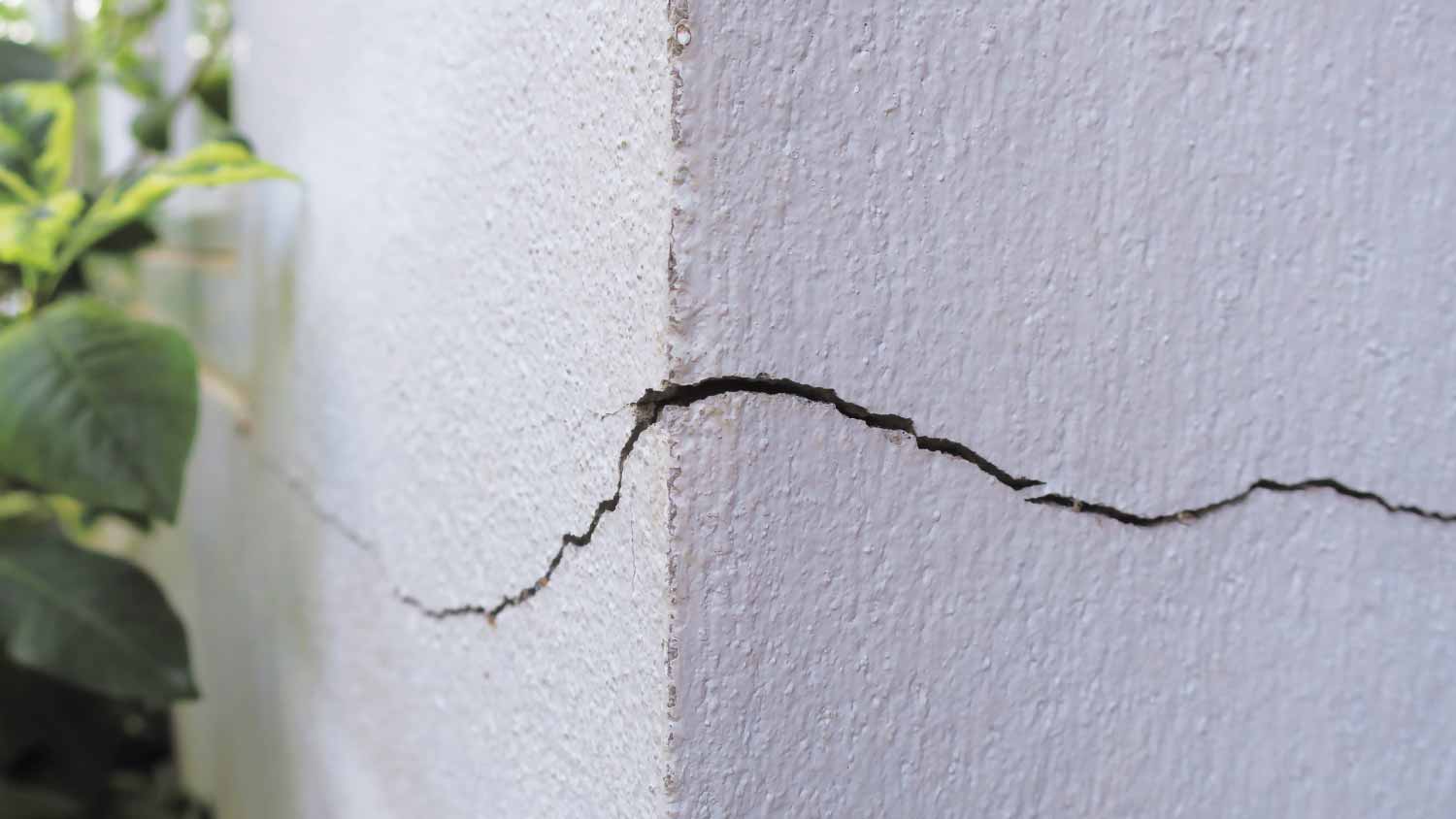
Not all cracks in brick indicate foundation problems. For instance, small hairline cracks can occur as a new construction settles. However, larger cracks are often a sign of a more severe issue. Indicators of a potential foundation problem include long horizontal cracks, "stair-step" cracks, vertical cracks that appear indoors, or any crack that widens at the top. Other signs of structural damage to look for are uneven floors and doors or windows that stick. These issues could be caused by problems with the soil beneath the home or an overgrown tree.
The Aneth, UT homeowners’ guide to foundation repairs
From average costs to expert advice, get all the answers you need to get your job done.
Foundation repair costs can be tricky when you have a large repair on your hands. This guide walks through costs from small cracks to total replacement.
Worried about pier and beam foundation repair costs? Get a better understanding of how to budget by learning about the repair methods available to you.
Unstable or sinking foundations require comprehensive and expensive solutions. Learn about foundation underpinning costs in this guide to set your budget.