Energy Efficiency Auditing questions, answered by experts
Services by electricians can quickly get expensive, but there are a few ways you can save money in the process:
Bundle multiple jobs done at the same time to save on trip fees or flat fees for individual projects.
Get at least three quotes for service to find the best deal.
Buy fixtures, switches, outlets, and other materials beforehand to avoid product markup.
If you feel comfortable with it, have an apprentice or journeyman complete the work under the supervision of a master electrician. These electricians in training tend to charge less per project.
Motion-sensor lights use one watt while on standby and five watts while turned on. They’re usually on for one hour over a 24-hour period, bringing the total wattage to about 28 watts per day. LED lights use around 6.5 to 8 watts while on. If you leave an LED light on all night, with night ranging from 10 to 14 hours, you’re looking at using 65 to 112 watts a night. You can minimally cut your wattage in half by switching to a motion-sensor light.
If you want a new boiler that’s going to help lower your fuel bills, you should buy one that has a high energy-efficiency rating. For example, a boiler that is rated “A” uses at least 90% of the energy created by the boiler. And in order to enjoy the best performance, it’s important to have it installed properly by a highly-rated tech.
A whole-house humidifier can positively impact energy consumption by improving heating efficiency. During colder months, humidified air feels warmer, which allows you to lower your thermostat without sacrificing comfort. This adjustment can lead to significant energy savings as your heating system works more efficiently. However, it's important to use the humidifier judiciously, as excessive humidity could potentially strain your cooling system in warmer months.
There are a couple of ways you can save on the cost of your home energy audit. First, find out if you qualify for programs like the Department of Energy’s Weatherization Assistance Program for low-income households. Next, check with your local utility company to find out if you qualify for any local rebate programs to offset the cost of this helpful service.
The Aneth, UT homeowners’ guide to energy efficiency auditing services
From average costs to expert advice, get all the answers you need to get your job done.
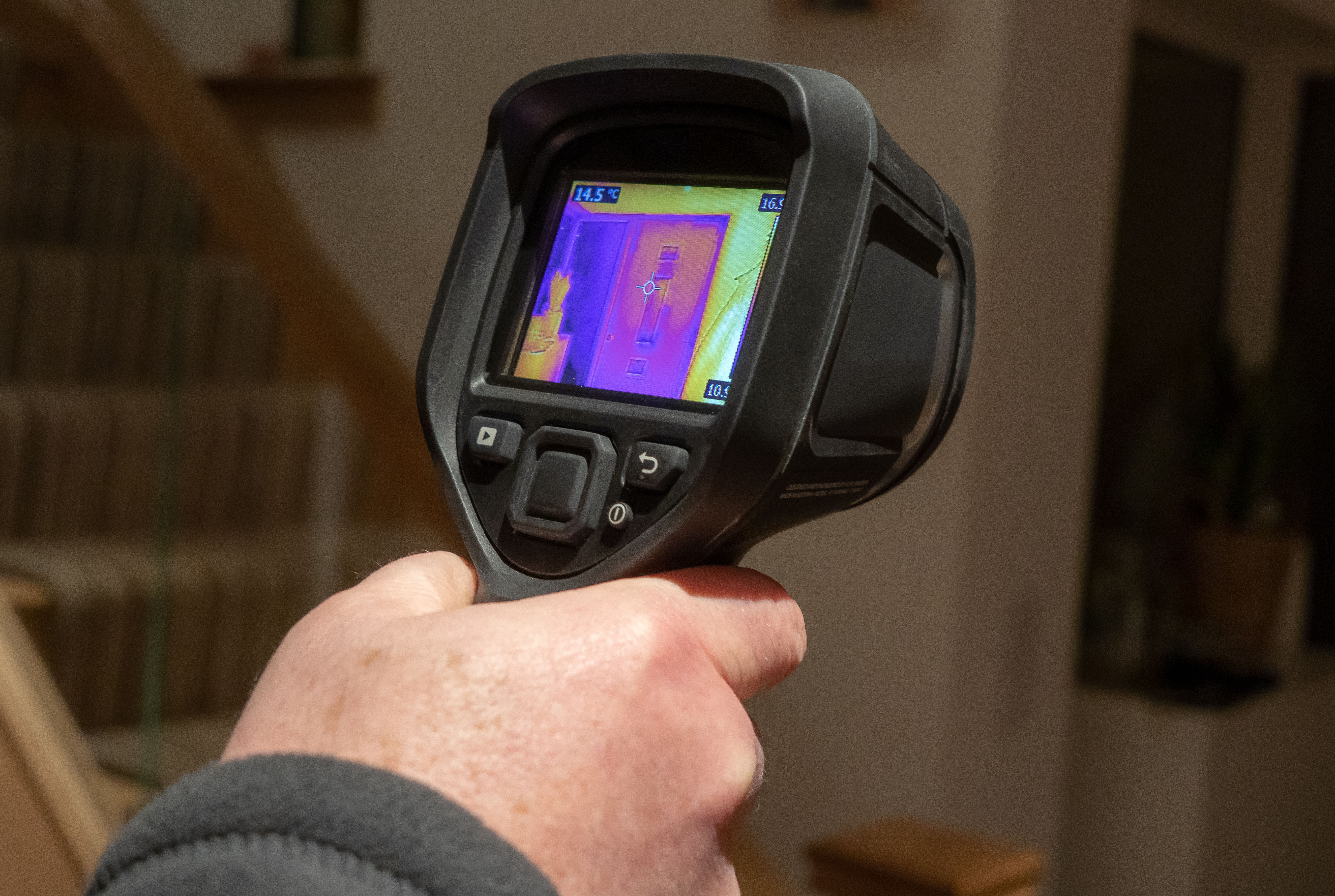
Discover the average home energy audit cost, what impacts pricing, and how to save money on your audit. Get transparent, expert-backed cost info for homeowners.
Thinking about scheduling a home energy audit? Learn how to improve energy efficiency, lower your utility bills, and hire the right local pro for the job.