
"AHS is ok. They cover repairs of most everything under the roof of your house. The companies that contract with them are not always the best. You call AHS with the issue, they send a fax to the repair company and give you the contact info. If they don't contact you within 24 hours, you call them. Sometimes they answer, sometimes they don't. When they arrive (usually three days or so later), they service the item. if it has issues within the 90 days, you call AHS again, they are sent out with no charge. If the serviceman decides the unit is unrepairable, AHS will allow you to choose a replacement from their listing (usually not as good as what you have) they will install and remove your old item, or give you wholesale amount to buy and install your own. Prices vary on what you want covered and what you want the copay to be, plus where you live. For me it is 49.99 per month with a 75.00 time of service order. You can have more than one item serviced at the same time under the same fee. If you have a SEAR product the repair guys are great. Not that wild about the other ones they send out. But it is a big savings compared to calling someone on your own. The cost of service is only the 75.00 copay."

"I called the Guy to inspect my place for Mold. I got an immediate response setting up an appointment for the next day. The Guy promptly showed up for our appointment, then went to work inspecting and analyzing the situation and what needed to be done. The Guy, is very competent, thorough and gets right to the issues with his professional work. I am very satisfied with the Guy's analysis inspection and results. I would recommend the Guy, for any type of work in his area of expertise to anyone with a similar question of Mold etc."
"Quick, easy, and adhered to what they said they would do in cost and in time. Kenny was on it every step of the way and finished a huge project ahead of schedule."
Asbestos is a hazardous material that poses serious health risks when its fibers become airborne and are inhaled. Exposure to asbestos can lead to severe respiratory diseases, including lung cancer and mesothelioma. For these reasons, it is essential to remove asbestos safely and in compliance with regulations to protect the health of occupants and ensure the property meets safety standards.
Mold Testing and Remediation questions, answered by experts
Telling the difference between poisonous and nonpoisonous mushrooms is difficult even for trained mushroom experts and biologists! However, nature provides some red flags for poisonous mushrooms. Assume that any mushroom with a red cap or stem is poisonous. You should also assume mushrooms with white gills, rings, skirts, or a sack-like base are poisonous.
Soaking memory foam can break down its structure over time or even encourage mold growth. However, brief encounters with moisture will not ruin your memory foam. As long as the mattress, topper, or cushion dries soon after getting wet, there's nothing to worry about. Just be sure to keep the affected item in an area with plenty of air and sun to encourage quick drying.
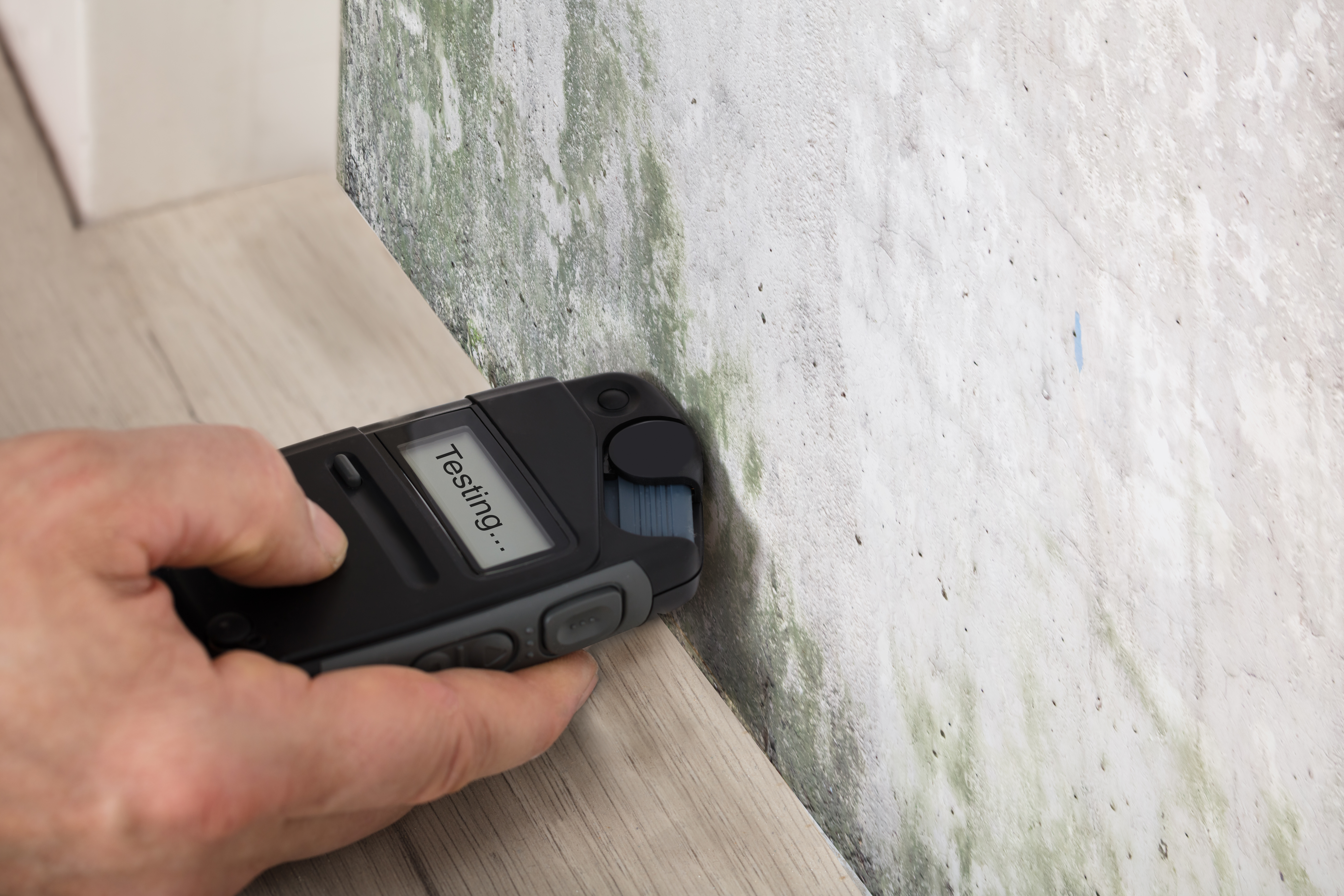
DIY kits are available for basic air quality testing, but professional services provide more comprehensive results and recommendations. While a DIY kit may seem cost-effective, a professional assessment is more thorough. Inspectors are better equipped to catch all pollutants and hazards, and you'll still need a professional to verify and act on DIY test results. Furthermore, some kits don't test for certain pollutants or only detect their presence without measuring specific levels (like mold spores). It's generally better to opt for a detailed professional assessment.
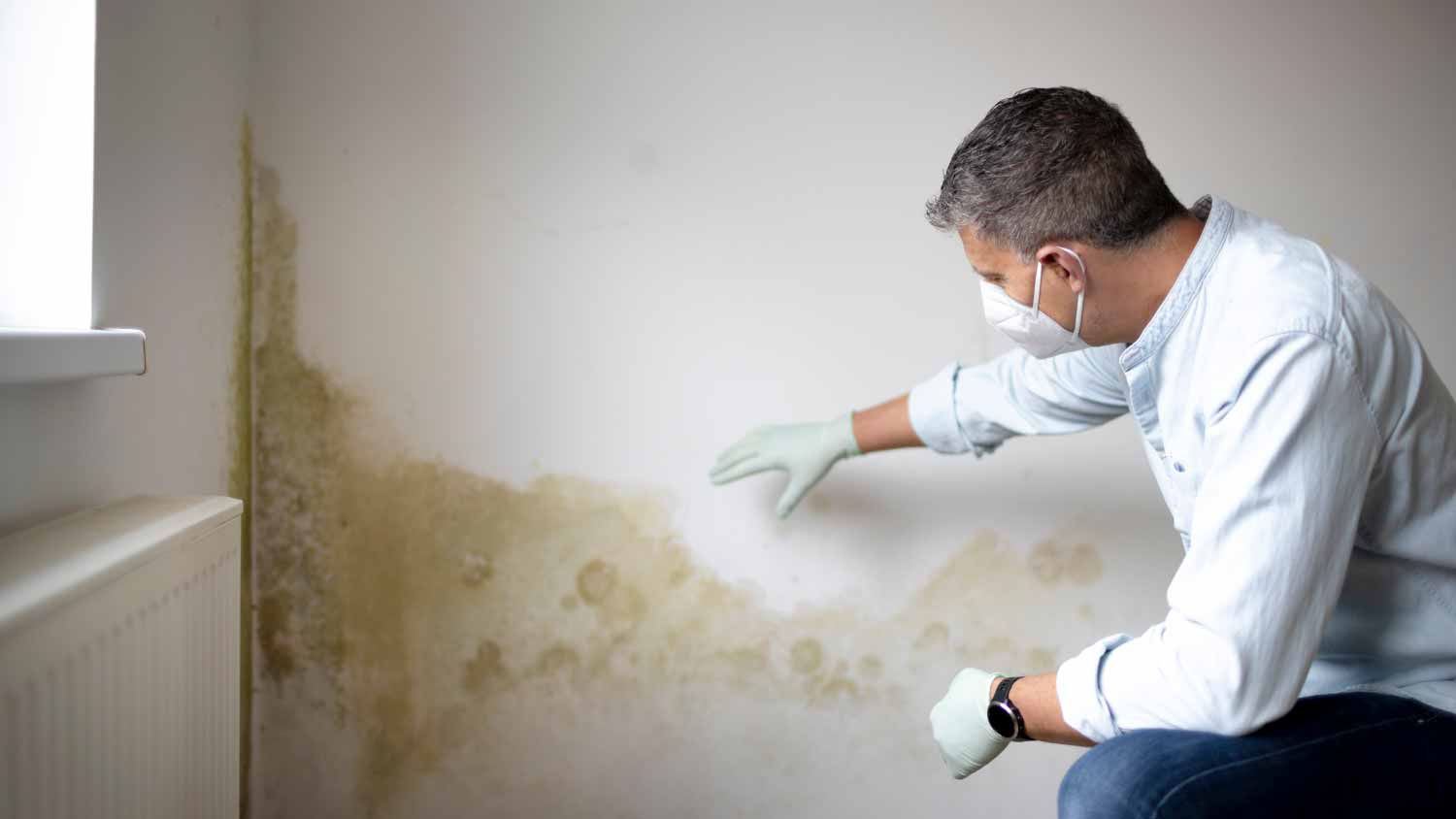
Some mold can look like dust, but most doesn’t. Powdery mildew is often confused with dust as it’s a similar color and grows in a similar way. Some gray molds can look like dust as well, but usually, it’s pretty easy to spot the difference. It’s better to be safe, so if you aren’t completely sure what you’re seeing is dust, call a mold professional to check it out.
Several factors contribute to the persistent growth of mold in vents, with excess moisture being the most common culprit. Consistent mold formation in vents indicates an ongoing moisture problem within the HVAC system or its surroundings, likely caused by condensation on cool surfaces in areas with high humidity. Moisture accumulation can also result from leaks in ductwork, inadequate ventilation, or insufficient insulation, creating an environment favorable for mold growth. Regular inspections, addressing potential sources of moisture, maintaining proper ventilation, and routine HVAC maintenance can help prevent the recurrence of mold in vents. If the issue persists, seek professional assistance to identify and rectify the underlying problems.
The Aneth, UT homeowners’ guide to mold testing and remediation services
From average costs to expert advice, get all the answers you need to get your job done.
The cost of a mold inspection might seem high, but it’s one of the best investments you can make for your health and home. Read on to learn cost-saving tips.
Figuring out how to test for mold in your home is important. Mold testing can offer peace of mind and lets you know if it’s time to call a pro. Learn about mold testing processes in this guide.
When is mold remediation required at your home? We can help you decide whether the musty odor or the patch of mold you’re experiencing requires a pro’s help.
There's an excellent reason why you should avoid going with the same company for mold testing and mold remediation. Learn why different companies should handle these tasks.