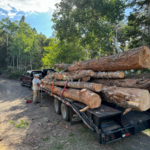
"Great to work with. Was able to start right away. Good clean equipment. Great operator. Already have miller tree and excavation going to do another project ."
Wasatch Road Builders, LLC is a premier asphalt sealing and repair company with over 10 years of experience. We make your asphalt brand new and promise a quality job done right the first time. Come talk to us today for a free consultation and to see how we can help with your asphalt needs!
At Davenport Foundation Repair we take great pride in our experience, expertise, quality, and customer service that we provide to meet the consumer's needs. It is our mission to provide excellent workmanship and complete customer satisfaction from start to completion of a project. In order to understand the needs and expectations of our customers, we take great care to work and communicate with every customer in a professional manner. Our reputation is based on service, safety, and quality, regardless of how large or small the job.\n
Most powerwashing jobs take 2-6 hours, but larger buildings or areas with deep staining may require an entire day.
Yes, acid washing can change the appearance of the original brick stain color. It removes dirt, and efflorescence, often revealing the brick's original color and restoring its natural beauty. However, if not done carefully, it can also cause slight variations in color due to the cleaning process.
Maintaining a driveway depends on its material. For concrete and asphalt, it's best to clean the surface thoroughly twice a year with a stiff broom and a pressure washer to remove accumulated dirt and debris. Sealing the driveway is crucial to protect it from water damage and freeze-thaw cycles. Before applying a sealant, pressure wash the surface to remove any loose sealant, dirt, or stains, as sealing over them will trap them. Any cracks or expansion joints should be filled with a flexible polyurethane caulk or asphalt sealer. In colder climates, use sand instead of salt for de-icing. Sand helps melt snow and ice without accelerating the freeze-thaw process, which can cause cracks.
Excavators work in tandem with dump trucks to haul away excess dirt and soil. The excavator will dig into the ground and move the excess dirt into a pile. Using a backhoe, the specialist can fill a truck with excavated soil from that pile. They will then drive the truck to a different location where they can dump the material.
The average cost to pressure wash a house is around $310, with typical prices ranging from $200 to $420. However, the total cost can vary widely, from $200 to $750. Power washing, which uses heated water, may cost between $250 and $400 per project, with an average of $200 to $300 for a 2,000-square-foot home.
Key factors that influence the final price include:
The size and height of the house (a multi-level home costs more than a single-story one).
The complexity of the job and accessibility of certain areas.
Geographic location.
Equipment and hourly labor costs.
Hiring a professional is often recommended as they bring their own equipment and cleaning solutions. Experienced professionals know how to complete the job effectively without causing damage to your siding, gutters, or landscaping, which can be a risk with high-powered water jets.
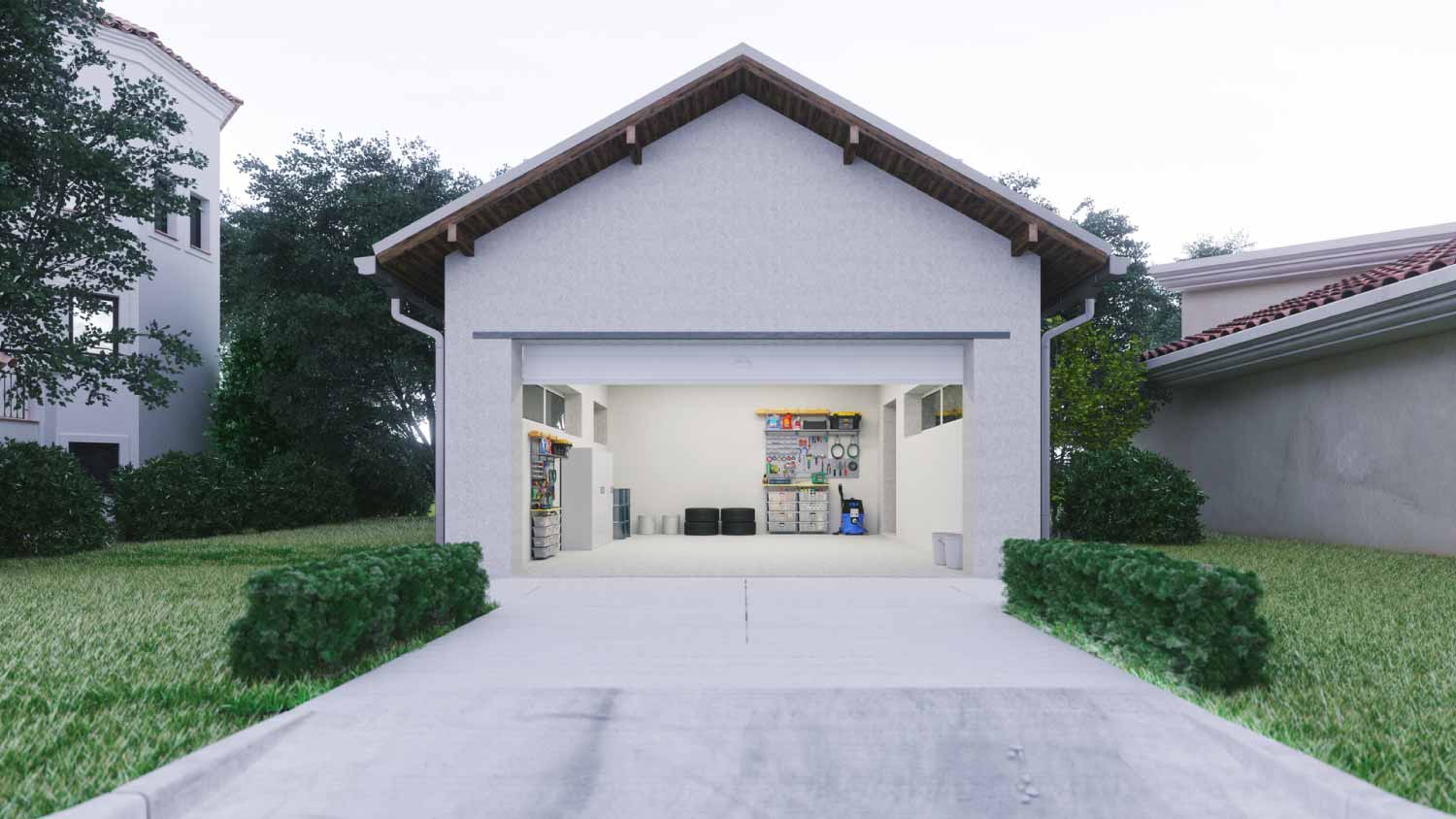
The Aneth, UT homeowners’ guide to concrete driveway services
From average costs to expert advice, get all the answers you need to get your job done.
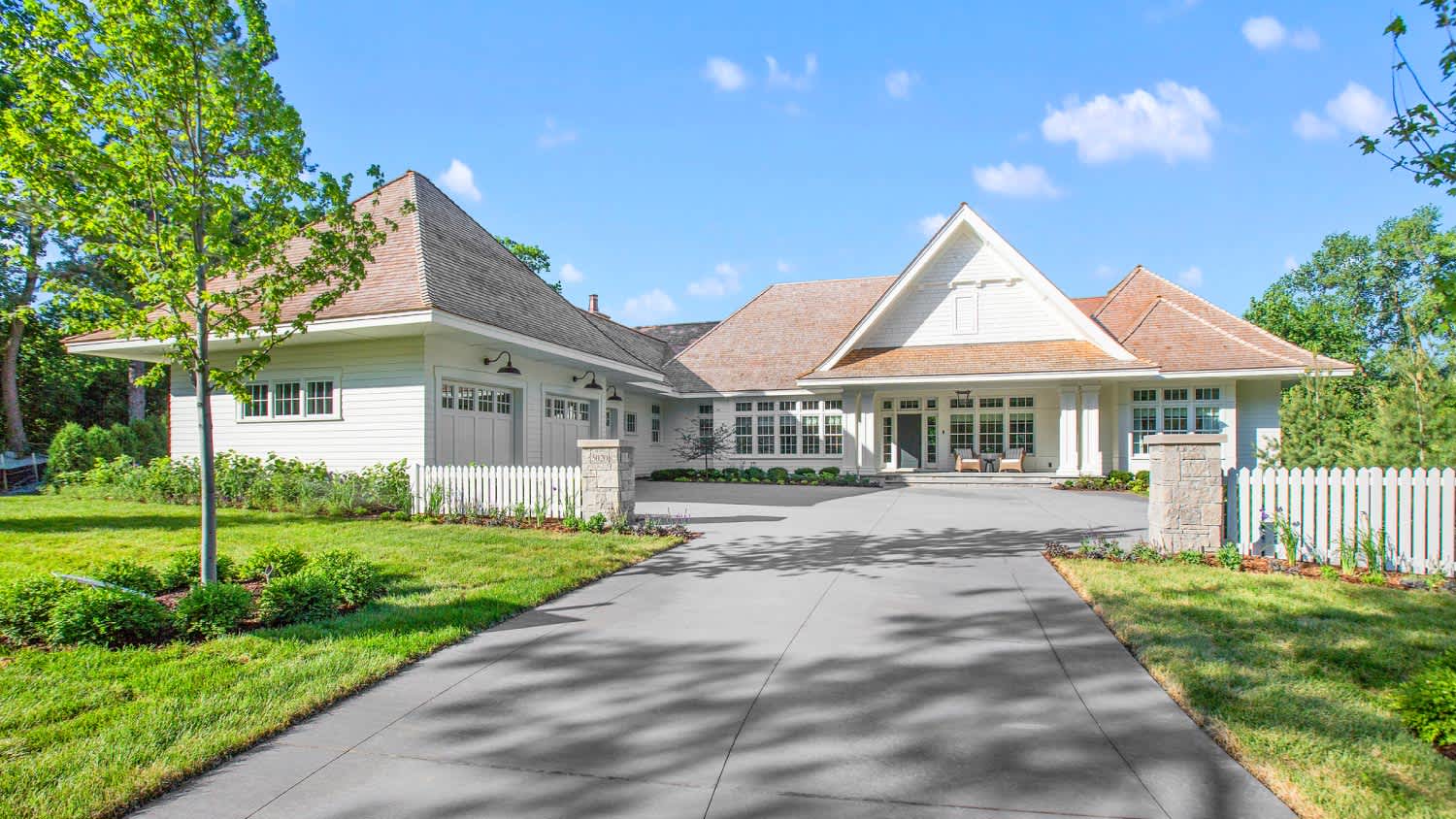
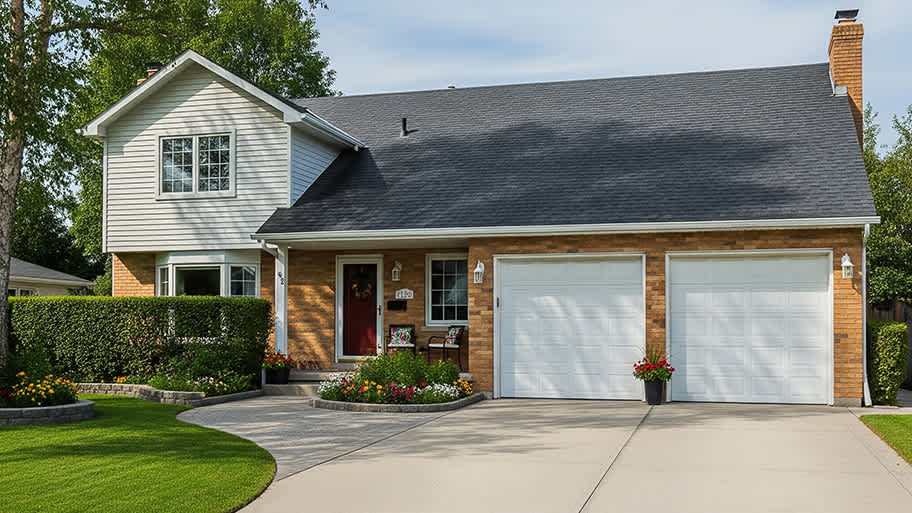
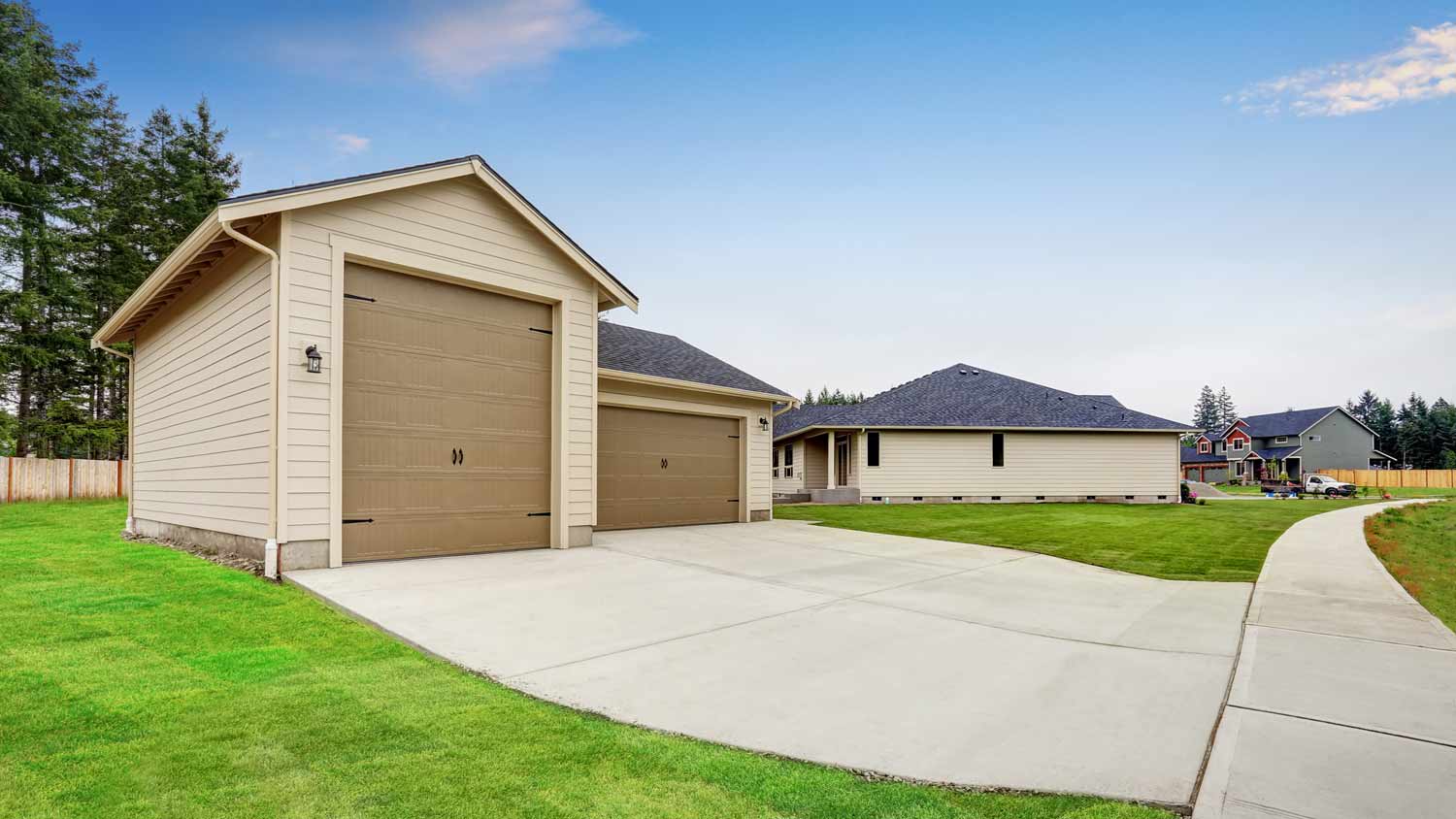
Between the endless customizations and decades of strength, the cost of a concrete driveway may be worth the investment. Let's break down your bottom line.
Before you hire a pro to pour a new concrete driveway, you should have a good idea of what you need. Discuss these concrete driveway installation questions with a pro.
Thinking about a new concrete driveway? Learn about installation costs, design options, and how to hire the right local pro for your home's exterior upgrade.