




Top-rated septic tank pros.

Get matched with top septic tank pros in Webster, TX

Enter your zip and get matched with up to 5 pros

Need a pro for your septic tank service project in Webster, TX?

Select your specific project to find the pro for you.

TRUSTED BY WEBSTER, TX HOMEOWNERS

  • Average homeowner rating star icon4.2
    Average homeowner rating
  • Verified reviews icon15
    Verified septic tank services reviews

Find Septic tank pros in Webster

Avatar for A&J Septic Services
A&J Septic Services
5.0(
5
)
Septic System - Install or ReplaceSeptic System - Install or Replace - For BusinessSeptic System - Repair+3 more

Serving Webster, TX and surrounding areas

In business since 2015

Free estimates

Emergency services offered

"Andrew was great. We bought an older home with a conventional tank that hadn't been maintained in a very long time. He came out within a few hours of calling him on Christmas Eve-Eve.. His price was competitive, he was very knowledgeable and even humored my teens and explained everything as they stood over him watching the process (we've never had a septic tank before!). Have already recommended to neighbors."
Additional Photos
Additional Photos
Additional Photos
Additional Photos
Additional Photos

+4

Recommended by100%of homeowners
Showing 1-10 of 37
Septic Tanks questions, answered by experts

Age is certainly a factor in well pump failure. The older your pump, the more likely it is to fail. 

Beyond age, other factors can cause your well pump to fail, too. Things like poor water quality can cause sediment buildup in your pump. Without proper cleaning, your pump can seize up and fail. Having a dry well for too long can also cause your pump to fail, as it keeps working even though there's no water for it to pull. 

A shallow-well pump can pull water up to 25 feet deep. A deep-well pump can pull water up to 90 feet deep. A deep-well submersible pump can pull water up to 300 feet deep. Make sure to consult a pro to find out how deep your well is and get the right pump for your needs.

Depending on local conditions, a deep well may be a better choice than a shallow well. Deeper well depth accesses groundwater that has been naturally filtered through many layers of soil and rock. This reduces surface contaminants and may offer cleaner water, but deep wells cost more money to build and maintain. The water may be harder and have higher radioactivity, too. 

How to size a well pressure tank is determined by three factors: flow rate, or how many gallons per minute your well pump produces; minimum runtime; and pressure switch setting. Most pressure tanks have a pressure switch operating at 20/40, 30/50, and 40/60—the first number is the pressure needed for the pump to turn on, and the second number is the pressure needed for the pump to switch off. Most homeowners relying on well water require a water pressure tank ranging from 20 to 80 gallons. 
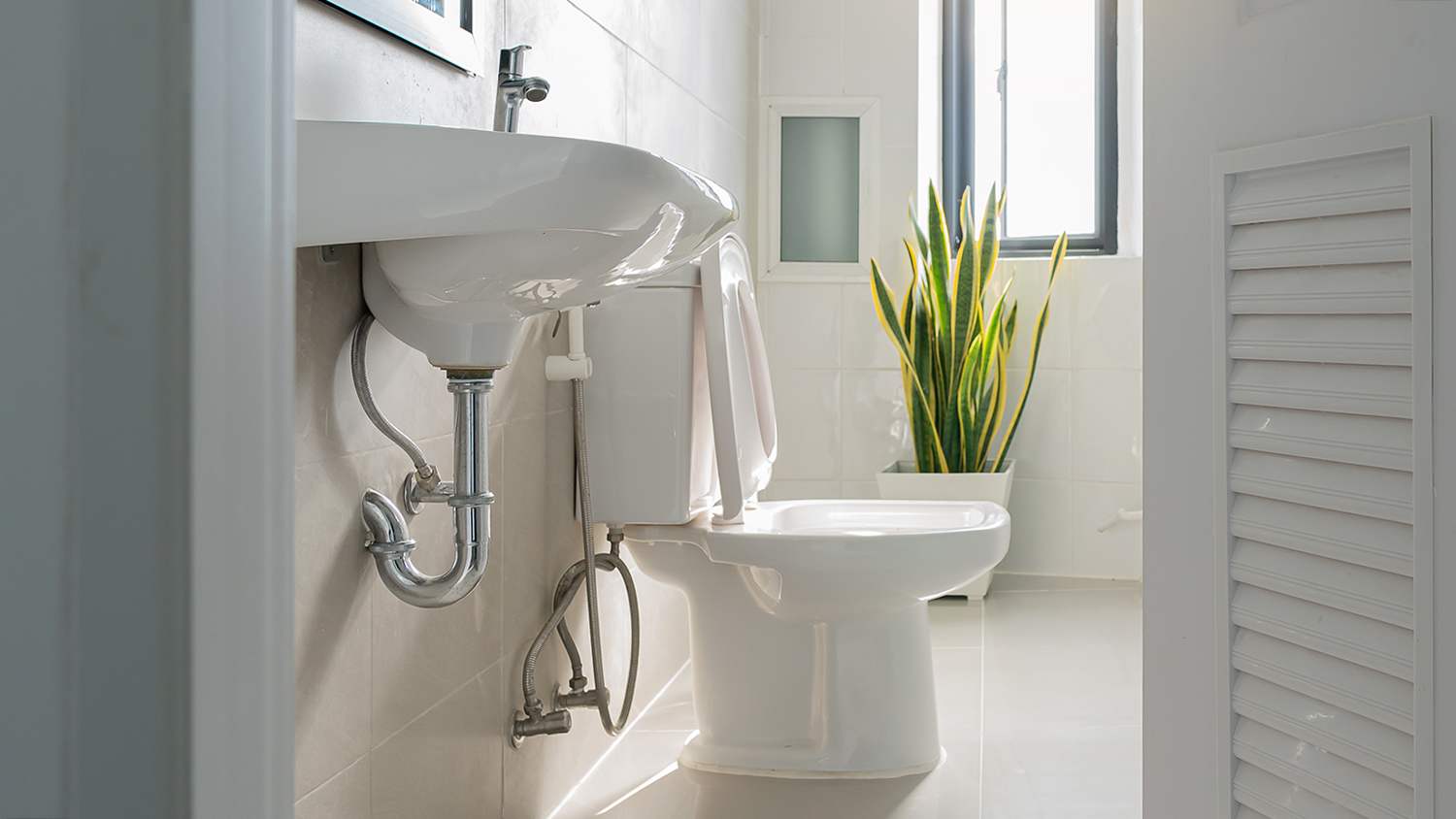
To keep your septic tank healthy, be careful of what you flush and be conservative with water usage, as even flushing too much water down the drain can throw off the septic system’s delicate balance. Never flush anything but human waste and toilet paper down your toilet, and be sure to have the tank inspected and pumped every two to five years, depending on the size of your household and your water usage.

The Webster, TX homeowners’ guide to septic tank services

From average costs to expert advice, get all the answers you need to get your job done.