


Top-rated septic tank pros.

Best septic tank pros near Bacliff, TX

Enter your zip and get matched with up to 5 pros

Need a pro for your septic tank service project in Bacliff, TX?

Select your specific project to find the pro for you.

TRUSTED BY BACLIFF, TX HOMEOWNERS

  • Average homeowner rating star icon4.5
    Average homeowner rating
  • Verified reviews icon24
    Verified septic tank services reviews

Top-Rated Septic tank pros in Bacliff - Updated Nov 2026

Avatar for Hobbs Septic
Hobbs Septic
5.0(
8
)
Septic System - RepairSeptic System - Repair - For Business

Serving Bacliff, TX and surrounding areas

Approved

Free estimates

Credit card accepted

Offers commercial services

"Fast and quick response with reasonable pricing. Showed up on time did the job agreed too up front correctly. They made sure everything was working and I was clearly informed of anything else I should consider addressing in the future like my holding tank broken lid I want not aware of."
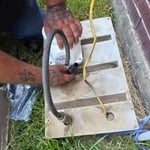
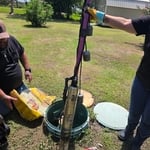
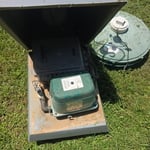
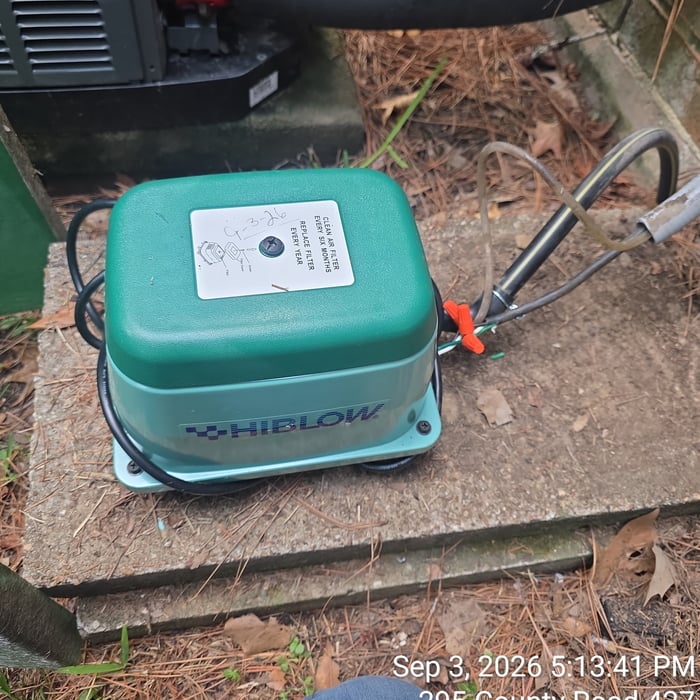
Aerator replacement
Aerator replacement
Replacement of spray pump
Aerator replacement
Aerator replacement

+17

5 neighbors recently requested a quote
Showing 1-10 of 24
Septic Tanks FAQs, answered by experts

Since vinegar is a weak acid with a pH of two to three, it’s generally safe for septic systems. It won’t eat away at the good bacteria in your septic tank and can help break down the sludge, which is its bottom layer. However, like with everything in life, moderation is key.

A septic system's lifespan typically ranges from 15 to 40 years, with a common average of 20 to 30 years. The longevity heavily depends on the tank's material, maintenance diligence, and usage habits. With proper care, lifespans can reach the upper end of this range.

Lifespan by Tank Material:

  • Concrete: 20 to 40 years

  • Plastic or Fiberglass: 30 to 40 years

  • Steel: 15 to 20 years

To maximize your system's lifespan, follow these maintenance best practices:

  • Regular Pumping and Inspections: Have the tank pumped every three to five years and schedule professional inspections regularly.

  • Mindful Usage: Only flush human waste and toilet paper. Avoid putting items like cat litter, paper towels, cigarette butts, fats, grease, oils, or coffee grounds down your drains.

  • Avoid Chemicals: Do not pour harsh chemicals into the system.

  • Water Conservation: Reduce the amount of wastewater your system has to process.

  • Protect the Drain Field: Avoid driving or building heavy structures over the drain field area.

To determine the right size for your submersible well pump, find your well depth, water demand, and well casing diameter. The pump should match your well's specifications and meet or exceed your drawdown and pressure requirements. 

For precise sizing, make sure to research the different well pump sizes, consult the manufacturer's recommendations, or seek guidance from a professional well pump installer.

Yes, you can adjust your well pump pressure relatively easily by yourself. You’ll need to remove the cover from your pressure switch and adjust a nut that controls cut-in pressure. Learn more about how to adjust a well pump pressure switch with a step-by-step guide to setting your water pressure.

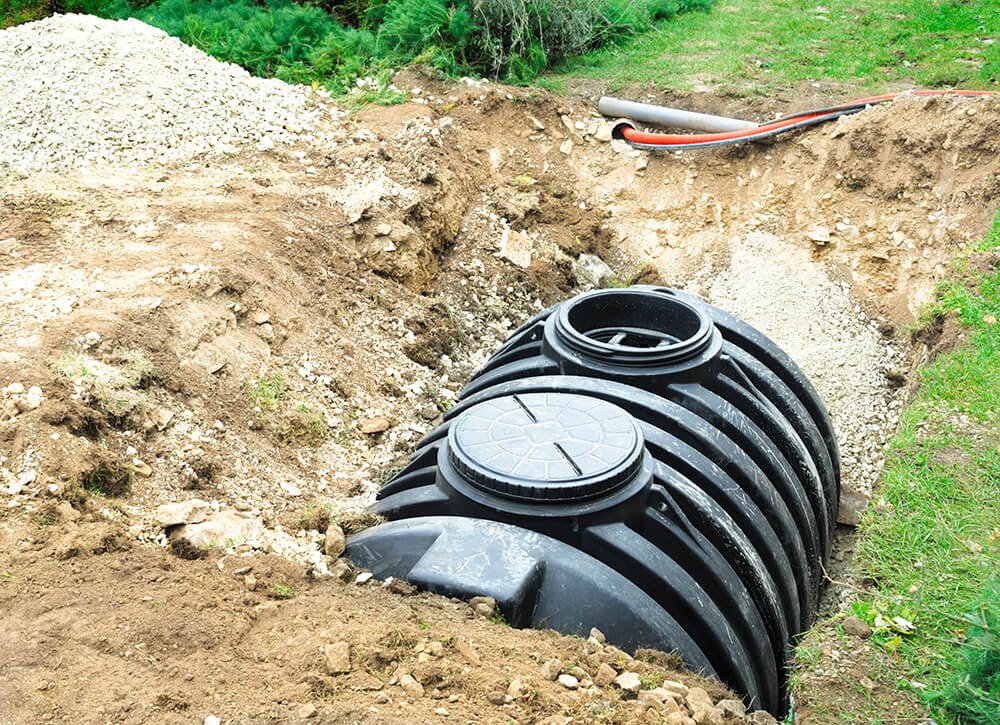
How deep your septic system needs to be into the ground depends on several factors. In extremely cold environments, the tank needs to rest below the maximum frost line, which can be up to six or eight feet deep. The standard burying depth for most systems is between a few inches and four feet below ground level. Depth can also depend on the slope of the landscaping and other property variables. 

The Bacliff, TX homeowners’ guide to septic tank services

From average costs to expert advice, get all the answers you need to get your job done.