

Top-rated electricians.

Get matched with top electricians in Sullivan City, TX

Enter your zip and get matched with up to 5 pros

Need a pro for your electrical service project in Sullivan City, TX?

Select your specific project to find the pro for you.

TRUSTED BY SULLIVAN CITY, TX HOMEOWNERS

  • Average homeowner rating star icon4.5
    Average homeowner rating
  • Verified reviews icon126
    Verified electrical services reviews

Find Electricians in Sullivan City

Avatar for Cytech Heating & Cooling L C
Cytech Heating & Cooling L C
4.6(
97
)
Electric Vehicle Charging Station InstallationElectric Vehicle Charging Station Installation - For BusinessElectric Vehicle Charging Station Installation - For Business - Materials Not Provided+10 more

Serving Sullivan City, TX and surrounding areas

Approved (Corporate)

In business since 1991

Free estimates

Emergency services offered

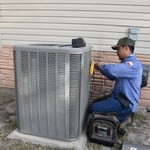
"Employees at Cytech were very courteous and assisted with the scheduling. I had never purchased thru Angie's and didn't know how it worked. The office manager assisted graciously and scheduled the work. The technician stopped by later than expected but I was called before to verify that someone would be home. The technician answered our many questions and made suggestions that would help us in saving on our electricity and maintenance on our AC unit. Additional estimate was scheduled and they were able to meet our timeframes. We are considering getting additional work done by Cytech."
AC Repair
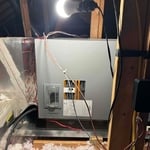
AC System Installation
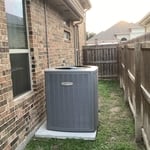
Armstrong Complete System Installation
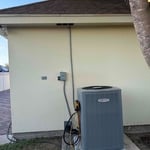
AC System Installation
Armstrong Complete System Installation

+9

Response time8 hrs
Response rate100%
10 neighbors recently requested a quote

...
Showing 1-10 of 109
Electrical questions, answered by experts

The best place to put an electrical outlet depends on your needs. A good rule of thumb is to install outlets every 6 feet in large rooms. Hallways over 10 feet long need one electrical outlet minimum. 

If you find yourself needing extra plug-ins for all of your gadgets, you may want to increase the number of electrical outlets in your room. When adding outlets, keep in mind that older homes could have outdated electrical panels. In these cases, you may need a pro to upgrade you from 100-amp to 200-amp service before increasing the power load.

The size of your home will help determine the size of your electrical panel. Usually, the decision comes down to a 100-amp electrical panel versus a 200-amp panel. Smaller homes, especially those without an HVAC system, may be able to get by with a 100-amp panel. 

If you have a larger home or need to power AC, a 200-amp panel should be the best fit. It’s unlikely that you’ll need a larger panel than that unless you have a larger home or unique electrical needs, but an electrician can help you make the final call.

Choosing between 12- or 14-gauge wire for your house depends on the electrical requirements of the circuit. A 12-gauge wire is thicker and can handle more power, making it better suited for devices such as kitchen appliances, air conditioning units, or electric heaters.

A 14-gauge wire is thinner and can handle less electrical current than a 12-gauge wire. It's ideal for circuits with lower power requirements, such as lighting or general-purpose outlets in bedrooms or living rooms.

For a 200-amp underground service, you need a minimum of #2/0 American Wire Gauge (AWG) copper or #4/0 AWG aluminum or copper-clad wire. Don’t forget that, at minimum, you’ll need to use a 1 1/2-inch schedule 40 or 80 PVC conduit to successfully run a 200-amp underground service.

Upgrading your electrical panel is often worth the cost for safety, improved electrical performance, and potential long-term savings. A primary benefit is preventing electrical fires and other hazards from a malfunctioning panel, ensuring your household's safety. An upgraded panel also provides a steady flow of electricity, eliminating issues like flickering lights and frequently tripped breakers. It allows you to connect additional appliances without overloading the system, which is especially beneficial for older homes with 100-amp service that are prone to overheating. If you run large appliances like central air conditioning, heating systems, hot tubs, or saunas, you might consider upgrading to a 300- or 400-amp service to meet the higher electrical demand. Furthermore, an upgrade can lead to long-term savings on energy bills and potentially lower insurance costs.

The Sullivan City, TX homeowners’ guide to electrical services

From average costs to expert advice, get all the answers you need to get your job done.