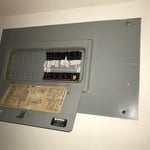
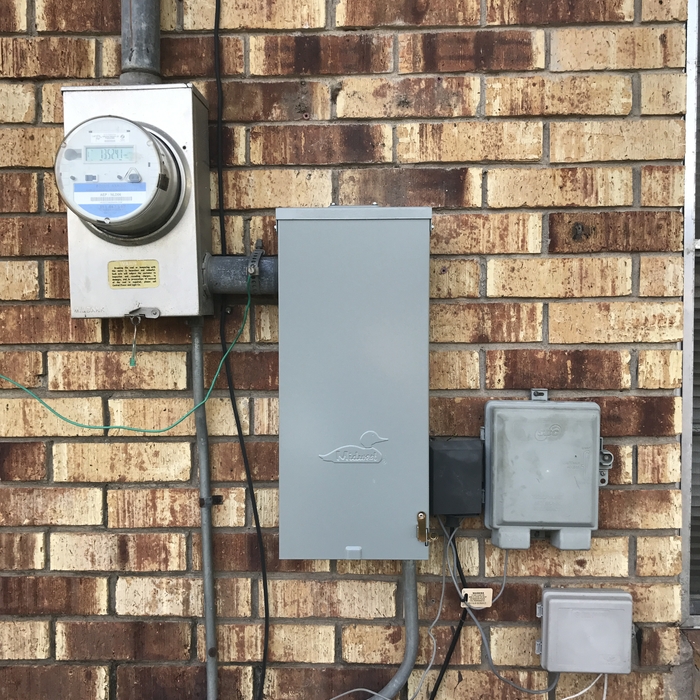
"Punctual-Professional-Economical-Experts in their field Bethel Electric showed up when they said they were. Efrain and his crew immediately started trouble shooting the problems. My MOBILE HOME water heater was not working along with several outlets/switches needed work. Efrain and his crew fixed ALL the electrical problems, in a timely manner and at a price within my budget. EXCELLENT WORK, HIGHLY RECOMMEND BETHEL ELECTRIC for All your electrical needs."
"Outstanding electrical service. Communication was excellent throughout the project, and the final results exceeded my expectations. Very dependable and skilled team."
"Ed Riley is extremely knowledgeable about what causes lighting and how to protect from it. He explained to me which and how structures develop static electricity that lead to lighting discharges in a way that the physics made sense to me. They were also reasonably priced and kept their word. Definitely recommend them."
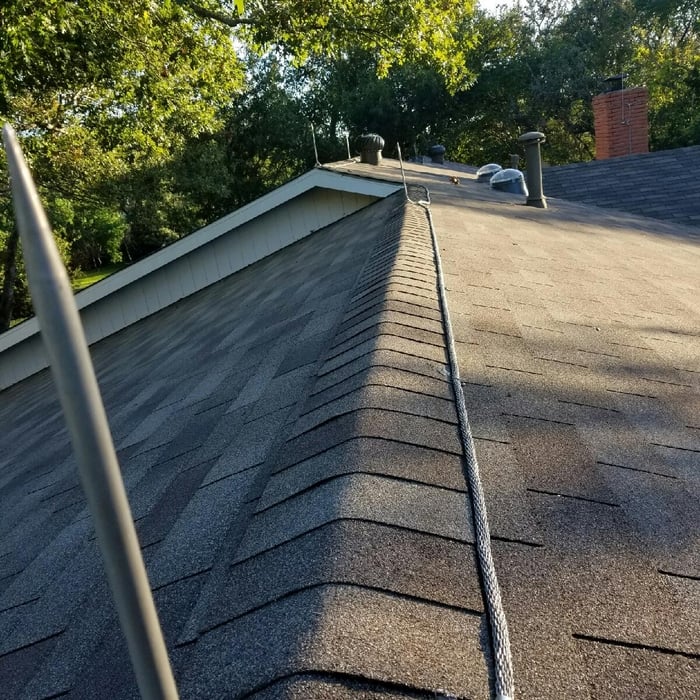
J Corrigan Lightning Rods Has been in business for over 50 plus years. We specialize in all your lighting rod needs. We also provide high quality customer service. We do service in the states of Texas, Colorado, Louisiana, Oklahoma, Mississippi and Alabama. Please give us a call today.
"Employees at Cytech were very courteous and assisted with the scheduling. I had never purchased thru Angie's and didn't know how it worked. The office manager assisted graciously and scheduled the work. The technician stopped by later than expected but I was called before to verify that someone would be home. The technician answered our many questions and made suggestions that would help us in saving on our electricity and maintenance on our AC unit. Additional estimate was scheduled and they were able to meet our timeframes. We are considering getting additional work done by Cytech."
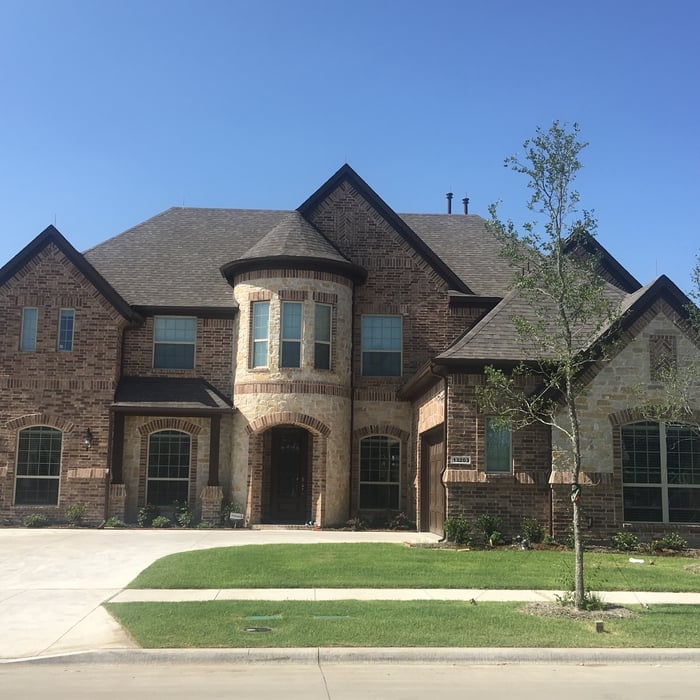
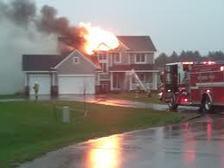
The modern suburban and small town home of today has become an ideal lightning target. The home owner would do well to recognize lightning for the destructive force that it is and protect against this major life and fire hazard.
\n
\nDonohue's Lightning Rods is based in Missouri, near the factory where most of the residential and commercial lightning rod supplies are manufactured. Jim travels regularly to Texas, Louisiana, Arkansas, Missouri, Kansas, Montana, Wyoming, Colorado, and New York. Call today to find out when Jim will be in your area. For installations outside Missouri, Kansas, or Texas, Jim waits until there are a few customers lined up, thus being able to provide the same quality services at affordable prices.
\n
\n
\n**WE DO NOT DO ELECTRICAL SERVICES.** (ONLY LIGHTNING RODS)
"Very professional came to do the work when they said they would.The work was completed at the end of the day .If you have electrical problems this is the company to call"
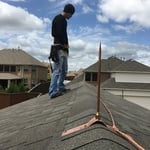
"We had lightning rods installed at our home after having 2 previous lightning strikes. The first strike was minor, with only slight damage in the yard. The second was significant when a very large pine tree was hit close to our house causing various electrical issues in the home -- despite having a whole home surge protection system. Just months after having the lightning rods installed, lightning struck an even larger pine tree in our small back yard, Thankfully, the lightning rods saved us! It was a huge strike, and we had no damage at all in the house. These lightning rods were potentially life-saving."
We invite you to experience a tradition of customer satisfaction that will exceed your greatest expectations. Our professionalism and quality workmanship will accurately reflect your taste and lifestyle. From conception to completion we work with you until the job is done. We thrive to take care of all of our clients unique needs. We are ethical, honest and easy to communicate with. Call us today you'll be pleased you did. Thank you
It’s generally not recommended to run electric to a shed above ground, and you should instead run electric lines underground via a conduit. This job, like all electrical jobs, is best left to a pro, as they’ll need to ensure everything is installed safely and that they don’t run into any other utility lines underground.
To power the system down, simply turn it off and cut it off from its electricity. That means removing the transformer from the wall plug and taking out the battery that usually sits within the control panel itself. That will disconnect it from power and essentially reset the entire alarm system.
When selecting a pool heater, it’s important to think not just about the cost of the unit itself but also about how much it costs to run. Expect to pay about $100 per month to run a heat pump pool heater. A natural gas heater will cost twice that amount, while an electric pool heater costs about $250 a month.
No. Do not use a 14-gauge wire on a 20-amp outlet. A certified licensed electrician would know that the National Electrical Code (as per Section 240.4(D) subsection 3) requires 14-gauge wires to be used with a maximum amplitude of 15. Therefore, you should only use 12-gauge wires on 20-amp outlets.
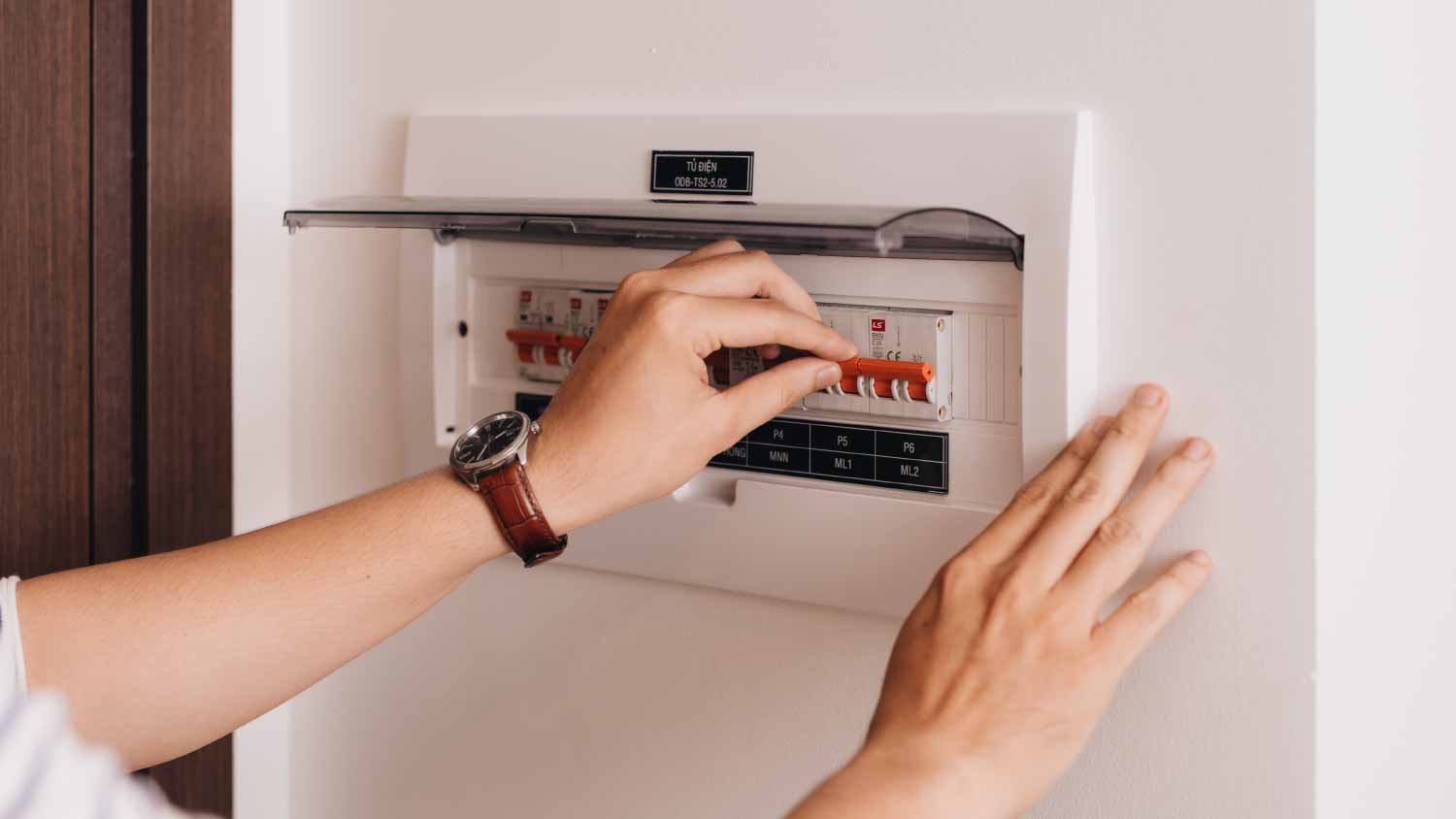
Burnt outlets can be caused by things such as faulty wiring, loose connections, or a circuit overload—and yes, they are extremely dangerous. If you notice your outlet is hot or has burn marks, you should shut off the power to it from the circuit breaker and immediately call an electrician.
The Raymondville, TX homeowners’ guide to electrical services
From average costs to expert advice, get all the answers you need to get your job done.
Is it time to upgrade your electrical panel? For the sake of safety, find out sooner than later by exploring our top signs that it’s time for an upgrade.