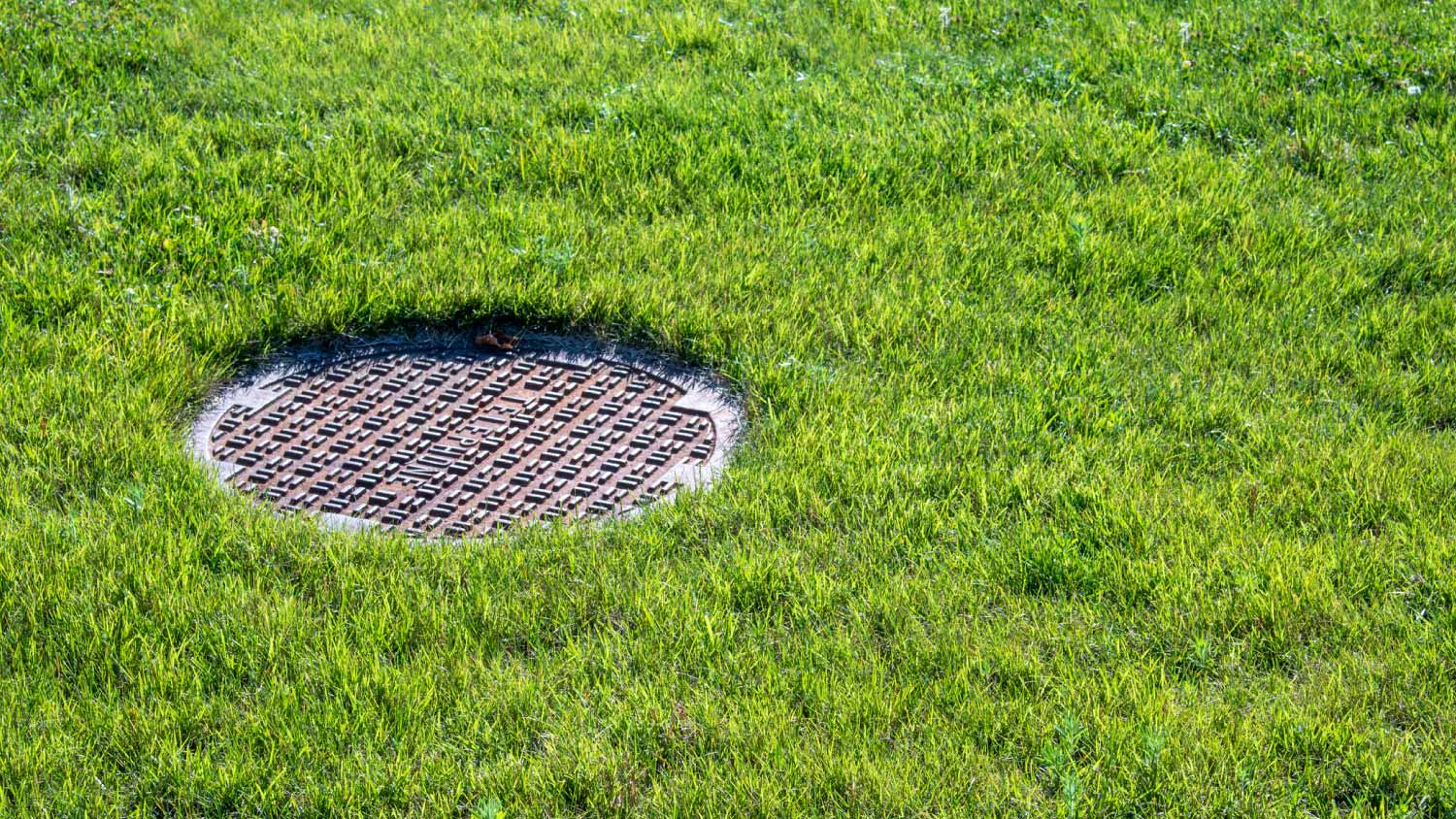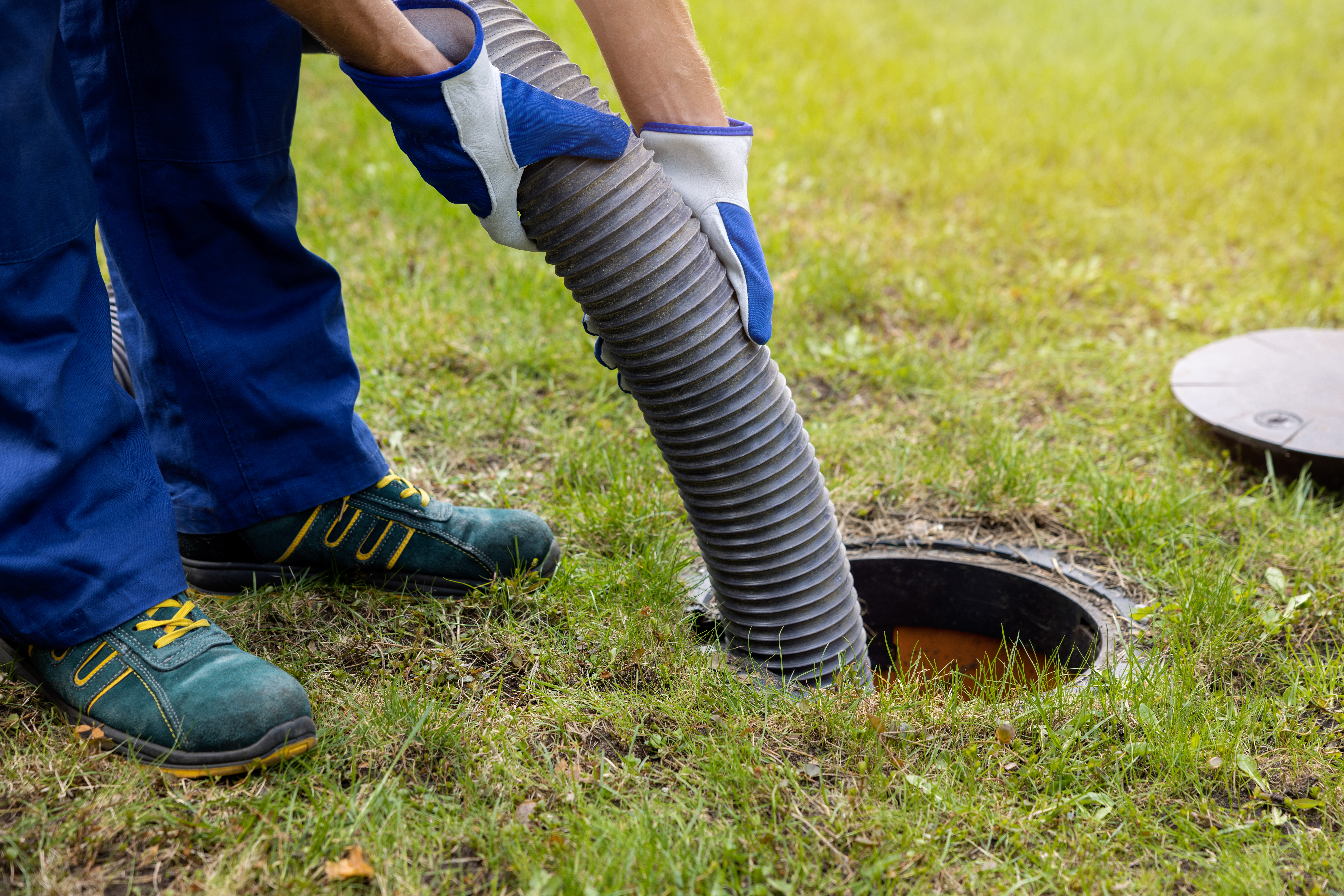



We at LJH Septic Tank Service work hard for our customers , that are looking for quick professional , honest ,response to their septic problems. Thirty years in the construction industry and twenty years in hte septic tank business gives our customers the expertise we need to take care of their problems.We visit customers all over the Rio Grande Valley ,give them free estimates and advice .

"He was able to quickly diagnose that the water leak from the water heater was a result of a ruptured tank, resulting in the need to replace the entire water heater."
"I just pay $75 you never know who's going to come out. They do everything electrical. Just about everything is covered except the septic tank. I had an air conditioner replaced. It went great, all I had to do was pay for the freon. He didn't charge e more than what was needed."
We specialize in both residential and commercial work.\n-Cutting, welding and assembling pipes, tubes, fittings, and fixtures.\n- We do Underground work\n-Install fittings and valves\n and much much more.\n\nWe value your time so everything will be done according to your timeframe. \n\n\n
JC Clearing & Dirt Work Services is committed to excellence in every aspect of our business. We uphold a standard of integrity bound by fairness, honesty, and personal \nresponsibility. Our distinction is the quality of service we bring to our customers. \nAccurate knowledge of our trade combined with ability is what makes us true \nprofessionals. Above all, we are watchful of our customers' interests and make \ntheir concerns the basis of our business.\n
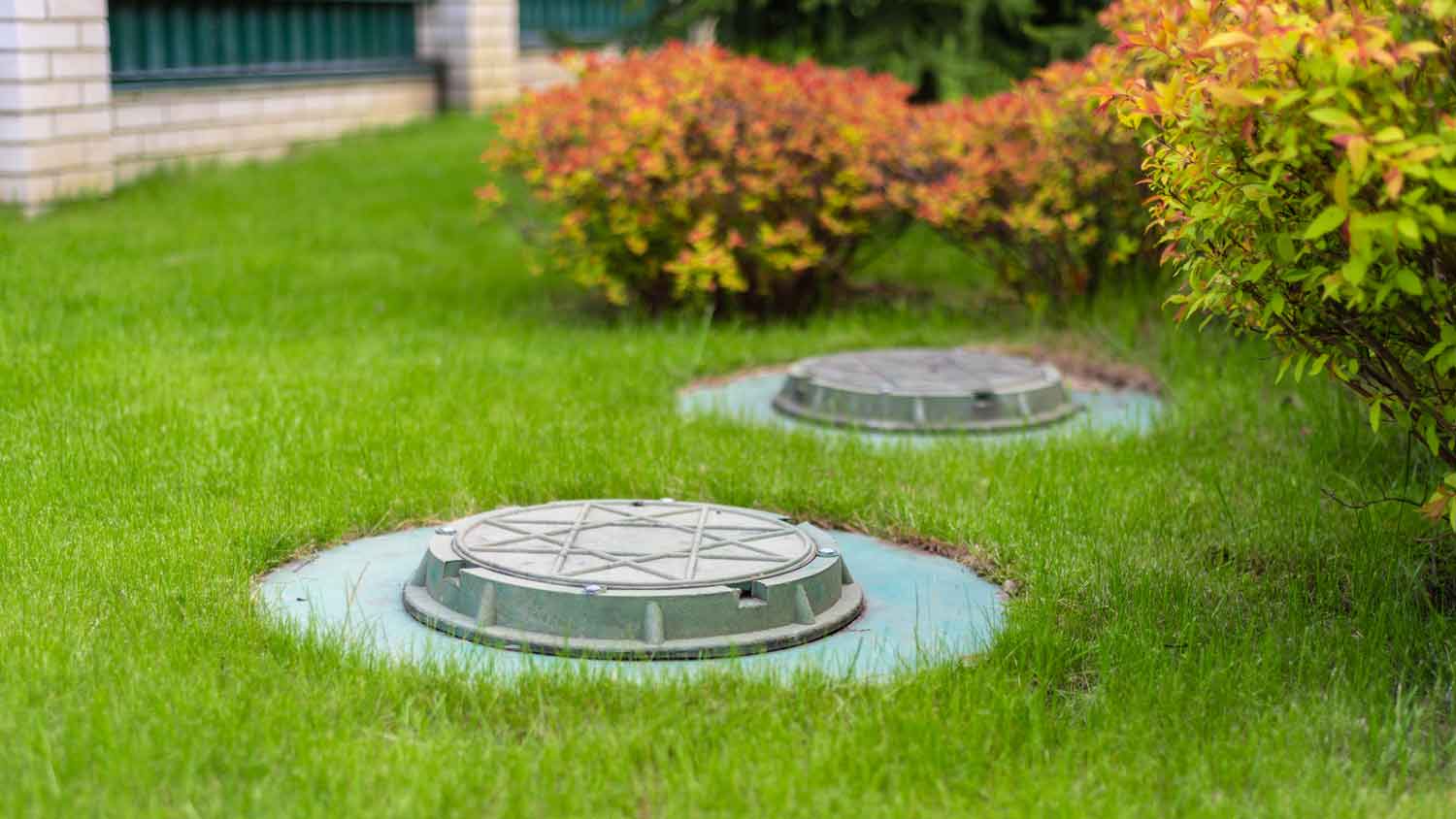
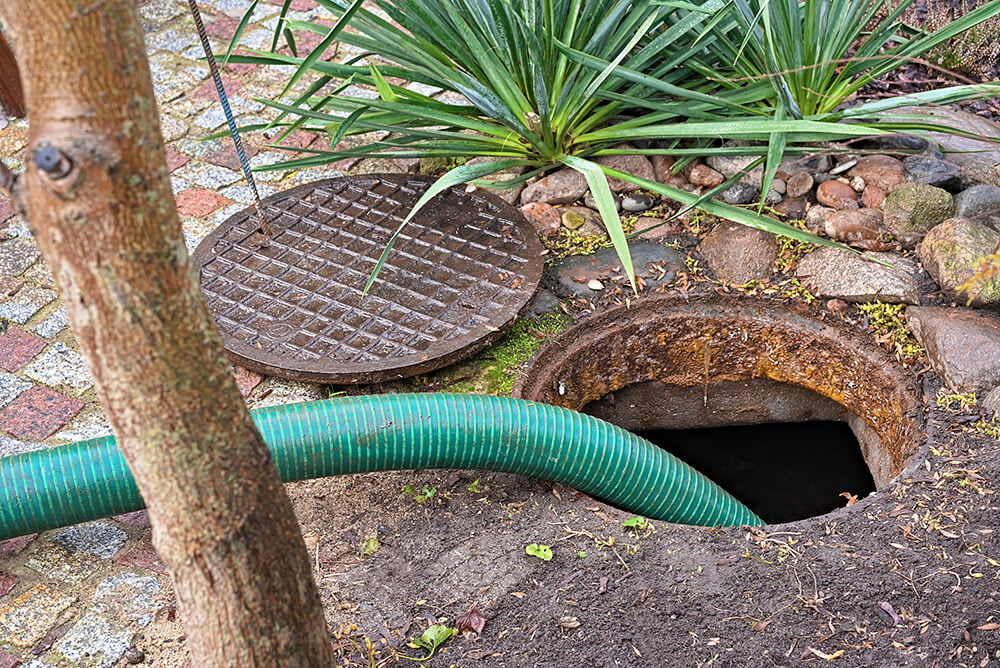
Septic tanks and cesspits are both types of sewage and wastewater systems, but they differ in key ways. The main difference between the two systems is that septic tanks separate sewage from wastewater and allow the latter to flow into a drainage field to filter and disperse into the soil. Cesspits don’t have outlets and instead, store sewage until it needs to be pumped by a professional.
A properly installed and maintained septic drain field (also known as a leach field) can last up to 50 years, though the average is around 20 years. However, factors like poor soil conditions, heavy usage, or improper maintenance can significantly shorten its lifespan to 15-20 years.
To extend the life of your drain field:
Schedule Regular Inspections: Have the entire septic system, including the drain field, inspected every two to five years to catch problems early.
Protect the Area: Avoid driving heavy vehicles or placing heavy structures over the drain field. Plant only grass or other lightweight vegetation with shallow roots over the area.
Maintain the Septic Tank: Proper care of the septic tank, including regular pumping and avoiding harmful chemicals, prevents strain on the drain field.
Be aware of signs of failure, such as strange odors, standing water, or unusually lush grass over the field, which indicate your system may need professional attention.
While dry wells can be effective for managing rainwater, they have several disadvantages. They can become clogged with sediment, especially after large storms, which reduces their effectiveness and can be difficult to clean. Dry wells are also not suitable for all soil types; they will not function properly in soil with low permeability. Additionally, if a dry well is not large enough to handle the amount of rainfall in your area, it can overflow. For gravity-flow models, the water may disperse very slowly, depending on the well's depth and the soil's permeability.
A well pressure tank typically lasts between 5 and 15 years. However, its lifespan can be influenced by several factors. High-quality, appropriately sized tanks tend to last longer, with some top-of-the-line models lasting up to 30 years. Regular annual maintenance, including inspections, cleaning, and prompt repairs, is crucial for extending the tank's life. Water quality also plays a significant role; water with high levels of sediment, minerals, or rocks can cause premature wear. Overworking an undersized tank can also limit its lifespan.
Septic tanks aren’t bad for the environment as long as they receive proper maintenance and attention. This means staying up-to-date with professional septic system inspections and septic tank pumping. Without regular maintenance, parts of the septic system could break or stop working, potentially letting harmful waste into the soil and groundwater.
The Pharr, TX homeowners’ guide to septic tank services
From average costs to expert advice, get all the answers you need to get your job done.
Caring for your septic system is crucial to ensuring its long life. But how much does it cost to pump a septic tank? We explore the different cost factors.
A damaged septic system can leak odors and sewage, so repairs are urgent. Find out how much septic tank repair costs based on repair type, tank size, and more.
Septic tank risers make it easy to access your septic tank when it’s time for routine inspection, maintenance, and pumping, saving you precious time and labor costs.
Septic tank sizes vary depending on the size of your home, how many people live there, how much water you use, and more. Read on to learn how to determine the right size for you.