







Top-rated septic tank pros.

Get matched with top septic tank pros in Los Indios, TX

Enter your zip and get matched with up to 5 pros

Need a pro for your septic tank service project in Los Indios, TX?

Select your specific project to find the pro for you.

Find Septic tank pros in Los Indios

LJH Septic Tank Service
New to Angi
Septic System - Install or ReplaceSeptic System - Repair

Serving Los Indios, TX and surrounding areas

In business since 1986

We at LJH Septic Tank Service work hard for our customers , that are looking for quick professional , honest ,response to their septic problems. Thirty years in the construction industry and twenty years in hte septic tank business gives our customers the expertise we need to take care of their problems.We visit customers all over the Rio Grande Valley ,give them free estimates and advice .


Avatar for OTM PLUMBING
OTM PLUMBING
5.0(
1
)
Septic System - Install or ReplaceSeptic System - Install or Replace - For BusinessSeptic System - Repair+3 more

Serving Los Indios, TX and surrounding areas

In business since 2016

Free estimates

Emergency services offered

We specialize in both residential and commercial work.\n-Cutting, welding and assembling pipes, tubes, fittings, and fixtures.\n- We do Underground work\n-Install fittings and valves\n and much much more.\n\nWe value your time so everything will be done according to your timeframe. \n\n\n

Recommended by100%of homeowners
Septic Tanks questions, answered by experts

Conventional anaerobic septic systems are the most cost-effective and least expensive type, with installation costs typically ranging from $3,000 to $8,000. For comparison, sand filter systems cost between $7,000 and $18,000, while mound systems are the most expensive at $10,000 to $20,000. Several factors influence the final price. The tank material is a key consideration; plastic tanks are the most budget-friendly option, starting around $2,900, but concrete and fiberglass tanks offer greater durability and longer life spans at a higher cost. The size of the tank also affects the price. For example, a 1,000-gallon tank costs between $900 and $1,500, whereas a larger 1,500-gallon tank costs $1,500 to $2,500.

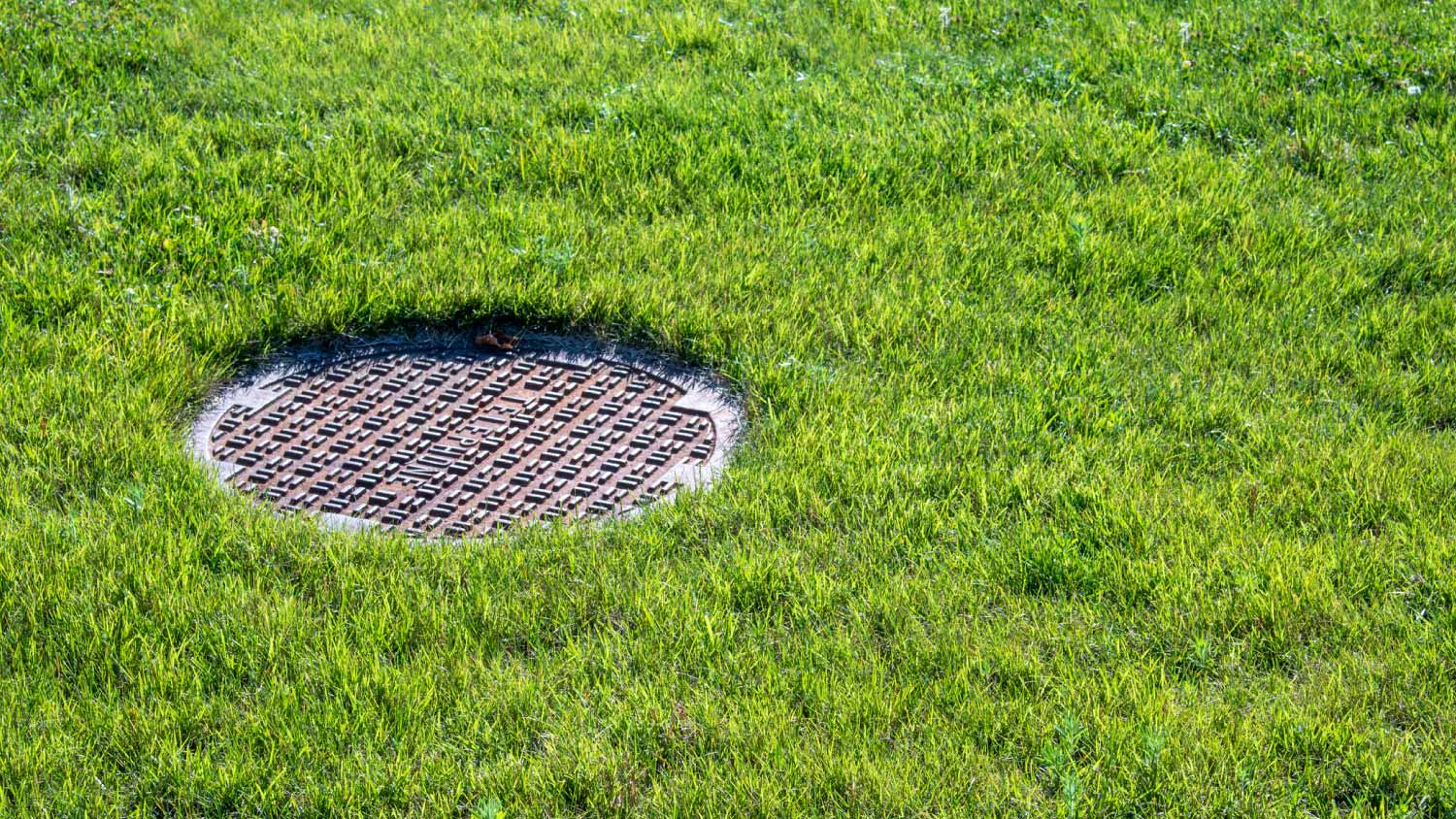
A septic tank lid is often 1 foot underground, but it could be just 4 inches from the surface or 4 feet deep. For septic tank lids that are closer to the surface, you’ll have an easier time locating them just by looking for signs in the yard or using a metal probe. But for septic tanks that are buried deeper underground, you’ll need to hire a pro with specialized equipment to track down the lid without risk of damaging utility lines.

A septic tank always has some amount of liquid in it—which should usually be 8 to 12 inches from the top of the tank. If the liquid level is higher than that or is overflowing the drainage pipe that leads out to the leach field, the tank may be too full and in need of pumping.

A septic system's lifespan typically ranges from 15 to 40 years, with a common average of 20 to 30 years. The longevity heavily depends on the tank's material, maintenance diligence, and usage habits. With proper care, lifespans can reach the upper end of this range.

Lifespan by Tank Material:

  • Concrete: 20 to 40 years

  • Plastic or Fiberglass: 30 to 40 years

  • Steel: 15 to 20 years

To maximize your system's lifespan, follow these maintenance best practices:

  • Regular Pumping and Inspections: Have the tank pumped every three to five years and schedule professional inspections regularly.

  • Mindful Usage: Only flush human waste and toilet paper. Avoid putting items like cat litter, paper towels, cigarette butts, fats, grease, oils, or coffee grounds down your drains.

  • Avoid Chemicals: Do not pour harsh chemicals into the system.

  • Water Conservation: Reduce the amount of wastewater your system has to process.

  • Protect the Drain Field: Avoid driving or building heavy structures over the drain field area.

Age is certainly a factor in well pump failure. The older your pump, the more likely it is to fail. 

Beyond age, other factors can cause your well pump to fail, too. Things like poor water quality can cause sediment buildup in your pump. Without proper cleaning, your pump can seize up and fail. Having a dry well for too long can also cause your pump to fail, as it keeps working even though there's no water for it to pull. 

The Los Indios, TX homeowners’ guide to septic tank services

From average costs to expert advice, get all the answers you need to get your job done.