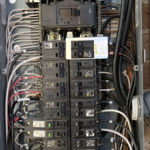
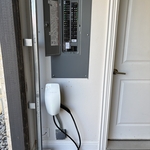
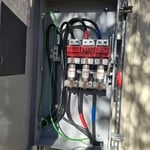
"These guys fixed my electrical issue the right way instead of the wrong way that my previous electrician had. Very professional and informative. Will be my go to service from now on."
"Casey from Powertex did a great job. He installed recess lighting, a ceiling fan and dimmers. He also fixed a electrical switch. He took great care to protect my space while he worked. I will use Powertex for all my electrical needs."
"Mario was great from initial estimate to a very clean installation of whole home surge protectors and a new ceiling fan. Highly recommend and will work with Mario for all future electrical needs."
"Absolutely love this company. Everyone was very friendly and the technician explained everything to me and answered all my questions. Definitely will use them again"
"Excellent company to do business with. Ed is awesome. Explains job and how everything works. And the work is done quickly professionally & with care for my property. Would hire again -- and will be!!"
"Very happy with the explanation of what would be done and then how it was done. They were prompt, courtesy and completed with work in just a few hours."
"Was very knowledgeable about all the current code requirements and necessary equipment needed to install and even walked me through the start up procedure after the install was complete. Will definitely call him back for future work"
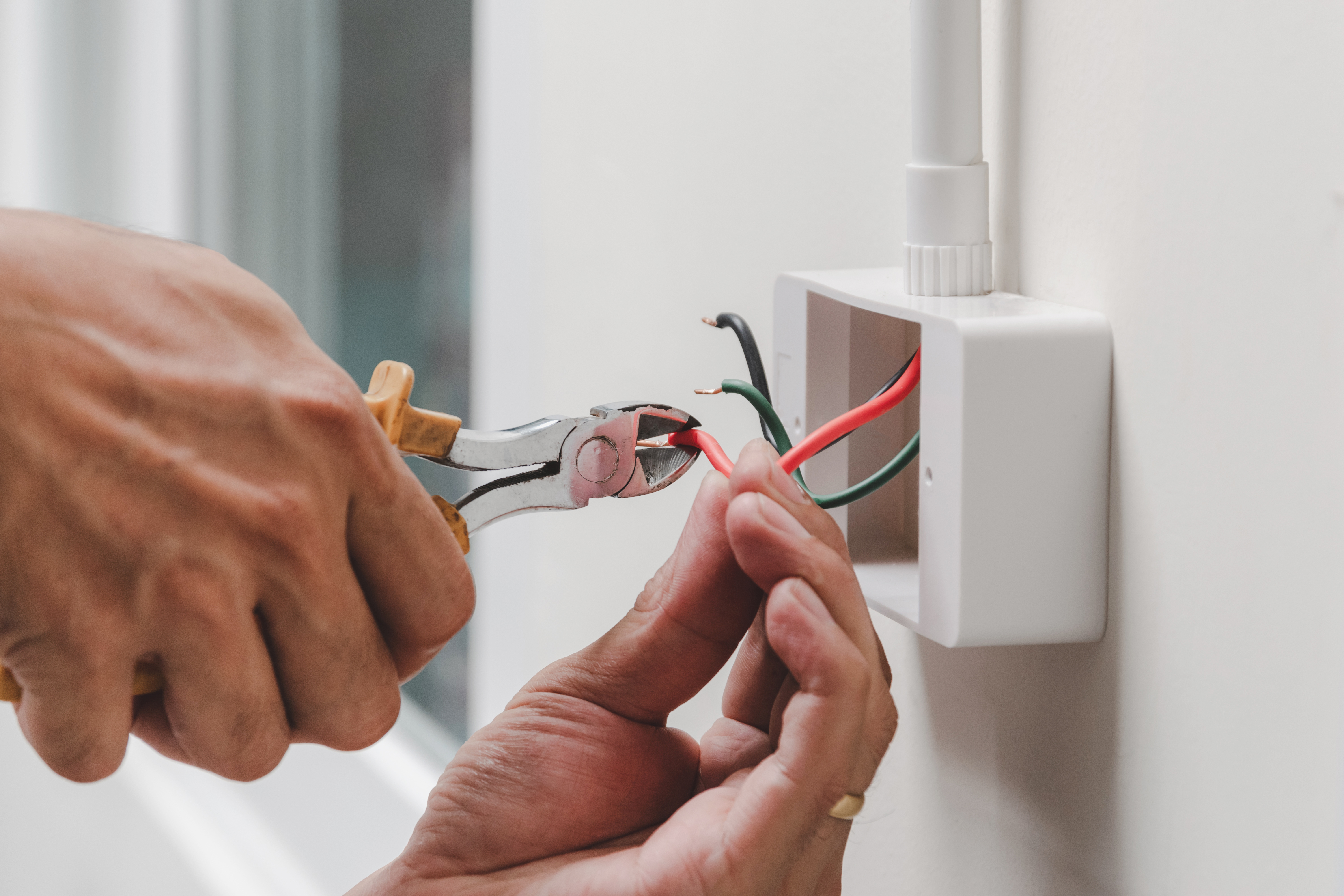
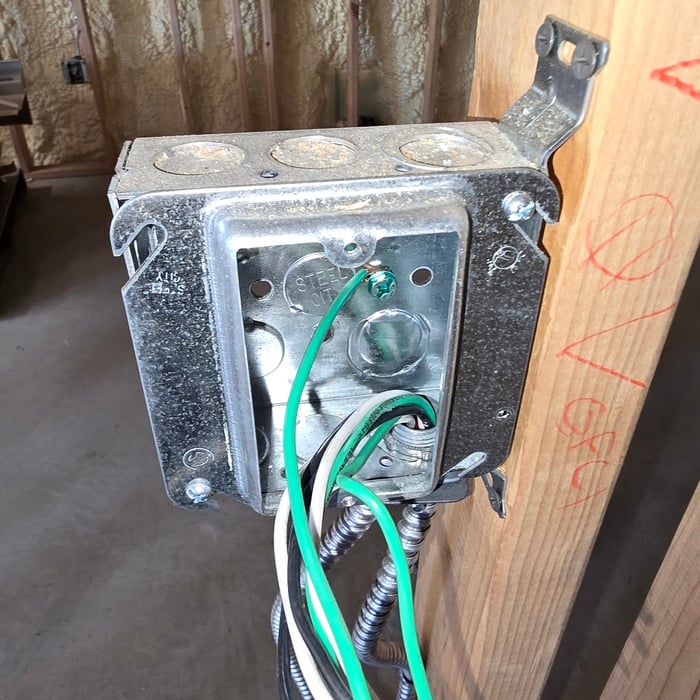
It might seem tempting to use 14-gauge wires for your outlets, as they can run a little cheaper. But, when it comes to electrical work, it’s best not to cut costs less you overload your circuit. A 12-gauge wire will ensure that you’re protecting the outlet (and your circuit breaker) from any potential overloads that might incur, as it can handle a little more amplitude than a 14-gauge wire.
When installing an outdoor outlet, it's important to proceed with caution. Unless you have the necessary training and licensure, it's not recommended to attempt this DIY. First, choose a suitable location. Make sure that the area can accommodate the outlet without overloading the circuit. You'll also need to ensure that your project complies with building codes. Next, turn off the power to the circuit, then install and wire the outlet according to the manufacturer's instructions. Once the outlet is in place, test it. Lastly, be sure to use a cover that will protect it from moisture and other weather-related damage.
The size of the microwave you choose may change this answer, but for standard over-the-range microwaves, 120 volts and a three-prong grounded outlet is needed for your device.
First, check the current electrical code in your area to ensure spaces you’re considering meet the requirements. After that, your outlet’s location is up to you. If you’re moving it to hide wiring, you may want to move it in a spot that will also be hidden from view, such as behind a media center or table. As long as you meet the spacing guidelines set by electrical codes, you should be able to pick any spot in your home for an outlet.
You can check if an electrician is licensed in California by using the online check a license tool offered by the Department of Consumer Affairs Contractors State License Board. You have the option of searching by the license number, the electrical contractor’s name, or the name of the business to determine the electrician’s status.
The Newark, TX homeowners’ guide to electrical services
From average costs to expert advice, get all the answers you need to get your job done.
Before you hire a licensed electrical contractor, you should learn the cost to run electric from the road to your house so you can budget for the project.
Whether you’re shopping for a new home or simply doing a safety check on your current place, learn what factors influence an electrical inspection cost.
Is it time to upgrade your electrical panel? For the sake of safety, find out sooner than later by exploring our top signs that it’s time for an upgrade.