Top-rated plaster repair specialists.

Get matched with top plaster repair specialists in Maxwell, TX

Enter your zip and get matched with up to 5 pros

Need a pro for your plaster repair project in Maxwell, TX?

Select your specific project to find the pro for you.

TRUSTED BY MAXWELL, TX HOMEOWNERS

  • Average homeowner rating star icon4.3
    Average homeowner rating
  • Verified reviews icon155
    Verified plaster repairs reviews

Find Plaster repair specialists in Maxwell

Avatar for Bernabe&sons drywal
Bernabe&sons drywal
3.0(
1
)
Plaster - InstallPlaster - Repair

Serving Maxwell, TX and surrounding areas

Approved

Free estimates

Emergency services offered

Small jobs welcome

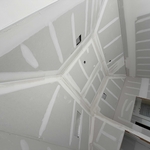
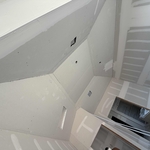
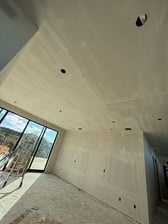
My name is Bernardo bernabe i have been in the drywall business for about 7 years.\nI do jobs all over the san antonio area and surrounding areas I specialize in doing remodels and new construction houses, including small patch work, no job is ever too small or too large, text for a free quote!

Avatar for AM home improvements
AM home improvements
New to Angi
Plaster - InstallPlaster - Repair

Serving Maxwell, TX and surrounding areas

Approved

Small jobs welcome

Army Veteran with 5+ years experience in rough and finish carpentry, handyman work, fabrication, and mechanical knowledge. Looking to service the New Braunfels and surrounding area with quality craftsmanship and service!\n\n

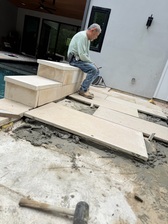
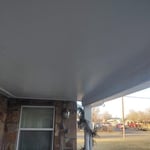
Porch facelift.
Porch facelift.
Porch facelift.
Porch facelift.
Porch facelift.

+3

19 neighbors recently requested a quote
...
Showing 1-10 of 105
Plaster Repair questions, answered by experts

Plastering and skimming are two different techniques for finishing walls. Plastering involves applying a thick layer of a plaster mixture—typically containing gypsum, lime, cement, sand, and water—to create a new surface. This process often requires multiple coats and is used for repairing significant damage or creating decorative textures. Skimming, on the other hand, is a technique that involves applying a thin layer of drywall compound or joint compound over an existing surface to smooth it out, covering minor imperfections, small cracks, or uneven textures for a polished look. Plastering is generally more costly and labor-intensive than skimming. Although some people use the terms interchangeably, they refer to different processes and materials.

Both plaster and drywall are durable wall finishes, but they differ significantly in installation, cost, performance, and aesthetics.

Installation & Cost: Drywall installation is faster and more affordable, typically costing $1.50 to $3 per square foot. It uses premade sheets, making it a more accessible DIY project. Plastering is a labor-intensive craft that requires specialized skills, pushing costs to $2 to $10 per square foot. It involves applying a wet paste over a lath framework.

Durability & Performance: Plaster is generally more durable, longer-lasting, and provides superior soundproofing. It is also a better insulator, which can help reduce energy costs. Drywall is easier to remove for future renovations.

Aesthetics: Drywall provides a smooth, uniform surface ready for paint or texture. Plaster offers a high-end, naturally textured look that can hide imperfections and is often preferred for achieving a classic or historic aesthetic.

Which is better? The choice depends on your priorities. Drywall is ideal for those prioritizing a lower upfront cost, faster installation, and DIY potential. Plaster is the better option for a higher-end project where durability, soundproofing, and a unique, premium finish are more important than the initial cost.

Professionals diagnose underlying causes, such as structural shifts or moisture problems, and apply appropriate solutions like reinforcement, patching, or sealing. These measures restore wall integrity and prevent recurrence, ensuring long-term stability.

Ensures structural integrity and aesthetic consistency with proper materials and techniques.

If your premixed drywall mud is dried out or has begun to set in the bucket, you may be able to revive it by adding warm water and stirring. However, the first and most important step is to scrape off any hard, dried bits of drywall that may have accumulated toward the top of the container and throw them away because they will not easily reconstitute back into the drywall mud mix.

The Maxwell, TX homeowners’ guide to plaster repairs

From average costs to expert advice, get all the answers you need to get your job done.