"Ken was awesome. He came out within 3 hours of being called and completed the job quickly. I will definitely be changing my septic contract to these guys."
"Charleys came out on an emergency call on a Saturday night and he took his time, went above and beyond to make sure the tank was clean, found the actual problem, called a plumber at 10 pm to make sure he could come first thing in the morning. I will definitely call him again."
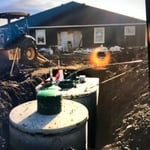
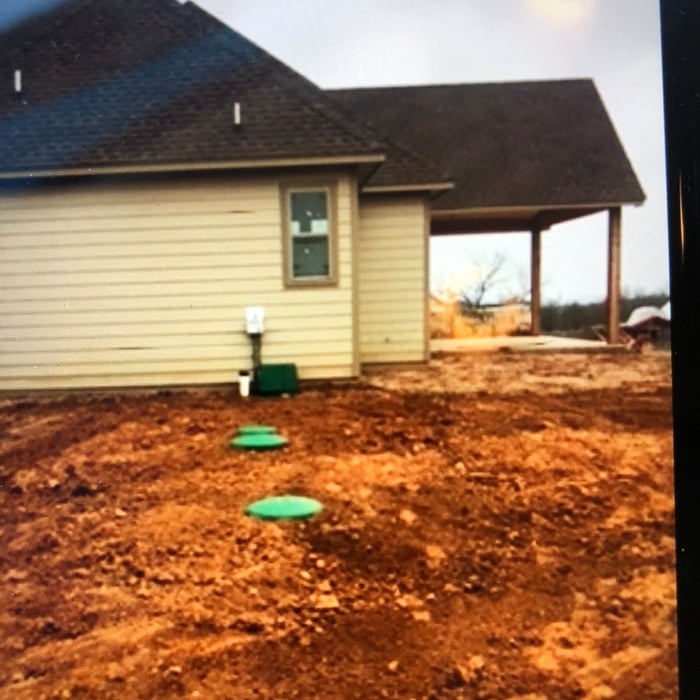
"I felt J Bar D did what they said they would do and helped me to decide on the best product application. I would use them again. They installed a septic tank for me, however, it is for a home that is not in use yet so I've not been able to use any of the bathrooms to see how well everything works. I anticipate that all will work well and given that is the case I would then rate them with 5 stars. The delay is not due to J Bar D. It has to do with other things. I enjoyed working with the owner. I feel that his input helped me to make a beter expenditure decision."
"We hired Advanced Septic to remove a failing septic system, and install a new one. The work was done timely, and i felt like we got a very fair price. The finish work and follow through was extremely impressive. The site was grated, cleaned up, and prepped for us to replant sod and return our yard to its original beauty (which was so important, because my daughter is getting married in our back yard in 2 weeks!) Mark knew i was on a tight timeline with family coming into town, and how worried i was about the shape of yard for the ceremony. The whole Advanced crew went above and beyond to make sure i was taken care of. Thanks Advanced Septic Solutions. Y'all are the best!"
While a traditional septic tank requires a leach field for wastewater disposal, it is possible to have a septic system without one. Some alternative systems, which are often used when there isn't enough space for a full-size leach field, include mound systems or sand filtration systems. In a conventional setup, the leach field is essential because it's where the wastewater goes after leaving the tank.
Yes, a bigger well pump can increase water pressure—up to a point. If you currently have a well pump of 8 GPM, you might notice a pressure boost when you go up to 10 GPM. However, overshooting significantly (going up to 15 GPM for an 8 GPM home) can strain your well system and result in things like burst pipes that can decrease your water pressure and make for costly repairs.
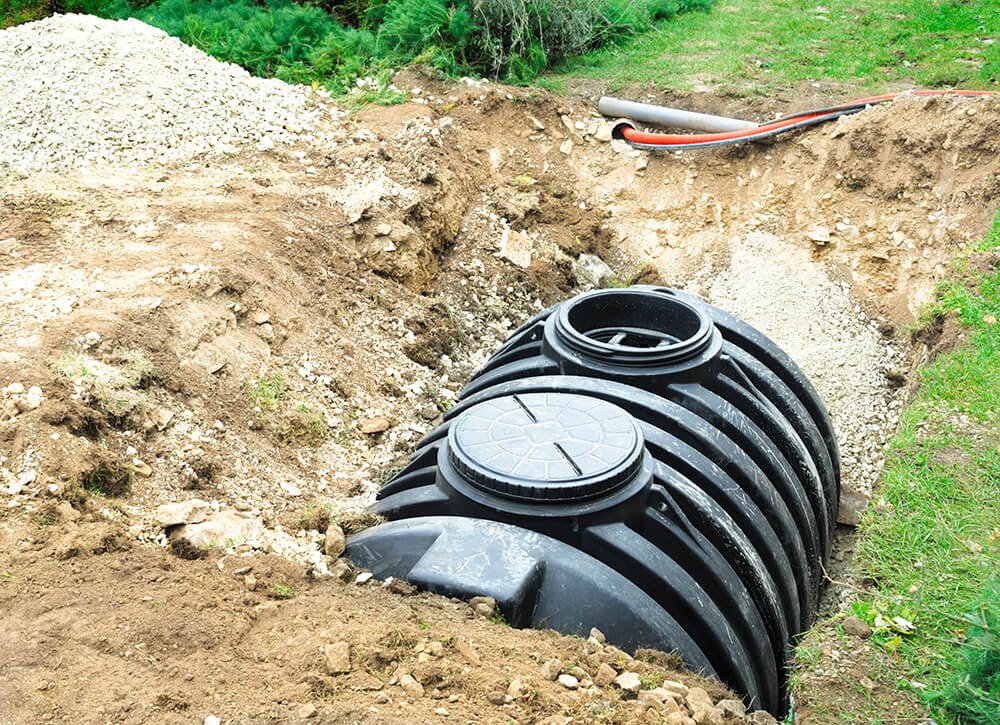
Drain fields often include three to five trenches that are 18 to 24 inches deep. The pipes connecting the drain field to the septic tank will be placed between 12 and 18 inches deep, and the field as a whole will be about 100 feet long.
Many variables, such as home size, type of engineered system, the material used, soil conditions, and water usage, dictate how long your system will last. On average, most homeowners find that their system lasts 15 to 20 years, though it’s not unheard of for them to last up to 40 years with annual and preventative septic maintenance.
A cistern works by collecting rainwater from your gutters and downspouts and storing it in a holding tank. The holding tank can be installed above or below ground, and the size will depend on your household needs. The stored water can then be used for household tasks, watering your garden, and even for drinking water.
The Lowry Crossing, TX homeowners’ guide to septic tank services
From average costs to expert advice, get all the answers you need to get your job done.
How much does a septic system cost in Dallas, TX? Explore impacting factors, important add-ons, and how you can save money on septic system installation in Dallas, TX right here.
Find out the average septic system repair cost in Dallas, TX. Learn what you can expect to pay for local tank fixes and keep your wastewater system running.
It’s crucial to install a septic tank with the right volume to avoid wastewater backups. This guide will help you calculate the right septic tank volume.
Septic tank sizes vary depending on the size of your home, how many people live there, how much water you use, and more. Read on to learn how to determine the right size for you.