





Top-rated excavation pros.

Get matched with top excavation pros in Desoto, TX

Enter your zip and get matched with up to 5 pros

Need a pro for your excavation project in Desoto, TX?

Select your specific project to find the pro for you.

TRUSTED BY DESOTO, TX HOMEOWNERS

  • Average homeowner rating star icon3.6
    Average homeowner rating
  • Verified reviews icon13
    Verified excavation services reviews

Find Excavation pros in Desoto

Sonart Construction Corp.
4.8(
245
)

Serving Desoto, TX and surrounding areas

Approved

In business since 2013

Free estimates

Credit card accepted

"Sonart construction did a fabulous job on my Master Bathroom. The foreman was constantly in touch with me and made sure everything was as planned. I am very satisfied with their workmanship and quality. The service and price was excellent. I couldn't be happier. I definitely will recommend them to all my family and friends. 5 stars all the way thanks...."
Response time10 hrs
Response rate94%
Recommended by83%of homeowners

Avatar for Dumpster Dog
Dumpster Dog
5.0(
10
)

Serving Desoto, TX and surrounding areas

Approved

In business since 2023

Free estimates

Credit card accepted

"This is hands-down the best company Iâ  ve ever seen theyâ  re quick to respond. They do what they say theyâ  re going to do for the best price."
Junk Removal
Junk Removal
Junk Removal
Junk Removal
Junk Removal

+16

Response time10 hrs
42 neighbors recently requested a quote
Recommended by77%of homeowners

Avatar for C&C Scapes Lawn Services
C&C Scapes Lawn Services
5.0(
4
)

Serving Desoto, TX and surrounding areas

Approved

Free estimates

Credit card accepted

"I had a great experience with this landscaping company. Their team was professional, reliable, and did outstanding work that completely transformed my yard. I highly recommend them to anyone looking for quality service and attention to detail."
1 neighbors recently requested a quote
...
Showing 1-10 of 404
Excavating questions, answered by experts

Septic drain lines (or leach lines) are typically buried between 18 and 36 inches underground, and should be at least 6 inches below the surface. These pipes are perforated and surrounded by filtering materials like sand or gravel. Burying the lines at this depth helps minimize odors and allows bacteria and other biological processes in the soil to effectively treat the wastewater. Burying lines too close to the surface can cause issues unless the soil is very compact and stable.

Hardscaping often requires preparation of the ground in the area where the feature is being installed. This can include digging, compacting, and leveling the soil, ensuring adequate drainage, and removing any existing plants. The extent of preparation needed will depend on the type and size of the hardscaping feature being installed.

Call 811 to locate and mark the gas lines at least three days before digging. In many areas, you can dig within 18 inches of the lines, though in some locations, the distance may be further. Check local regulations, as you may need a utility company representative onsite when digging. Document your calls to 811 and precautions taken to avoid gas lines. A homeowner can be held liable for hitting a gas line in some cases, but contacting the proper authorities and following all guidelines can offer protection.

Trenching and boring are two distinct methods for installing underground utilities. Trenching involves digging a channel using equipment like an excavator, trencher, backhoe, or shovel. While it is a simpler process, it causes significant disruption to the surface, landscaping, and surrounding ecosystems.

Boring, also known as directional boring, is a less invasive alternative that uses a drill to create a tunnel for utility lines without disturbing the surface. This method is more precise and is ideal for installations that need to go underneath buildings, roads, or bodies of water. Although boring is less disruptive, it is generally more expensive than trenching.

The digging depth will depend on the size of the trencher you use. Even smaller units can dig up to 4 feet deep, which is plenty for a DIY job. However, much larger trenchers can reach a depth of 18 feet and are better used by a team of pro contractors, not a single DIYer. As with all home improvement projects, use the right tool for the job and proceed with caution.
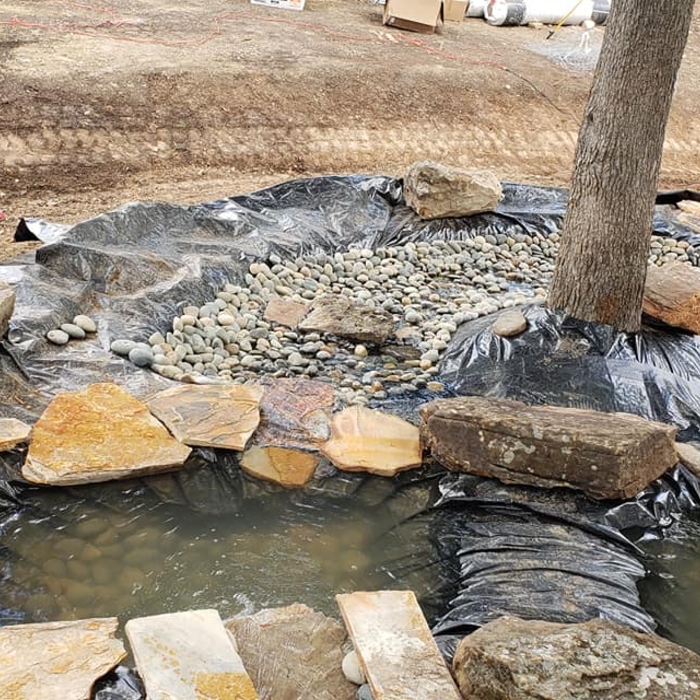
The Desoto, TX homeowners’ guide to excavation services

From average costs to expert advice, get all the answers you need to get your job done.