





Top-rated excavation pros.

Get matched with top excavation pros in Arlington, TX

Enter your zip and get matched with up to 5 pros

Need a pro for your excavation project in Arlington, TX?

Select your specific project to find the pro for you.

TRUSTED BY ARLINGTON, TX HOMEOWNERS

  • Average homeowner rating star icon4.9
    Average homeowner rating
  • Verified reviews icon19
    Verified excavation services reviews

Find Excavation pros in Arlington

Sonart Construction Corp.
4.8(
245
)
Building Site - Preparation and ClearingBuilding Site - Preparation and Clearing - For BusinessLandscape - Minor Grading or Resloping

Serving Arlington, TX and surrounding areas

Approved

In business since 2013

Free estimates

Credit card accepted

"If you are looking for a solid construction company sonart is the way to go for sure! All I could say was wow aside from the fact that my mouth was completely open for a solid five minutes LOL! The house was built around the 50s and hasnâ t been updated since the original build. To see our bathrooms brought more to a modern the lights was honestly heartwarming I know my mother would have appreciated this!Thank you again guys for your hard work!"
Response time10 hrs
Response rate94%
Recommended by83%of homeowners
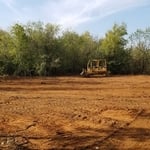
H & K Home Repairs
4.8(
22
)
Landscape - Minor Grading or Resloping

Serving Arlington, TX and surrounding areas

Approved

In business since 2000

Small jobs welcome

Customers say: Quick response

"I have Henry twice to paint most of the rooms in my home and he has always done a wonderful job. Some of my rooms had dark colors and he did as many coats of paint as it needed to cover them with much lighter colors. He also installed new lighting in my kitchen. He is such a nice person to have working in my home. Always prompt, and Christy lets me know when he will arrive. Thank you HenryJudith"
Response time1 day
Recommended by100%of homeowners

Avatar for Dumpster Dog
Dumpster Dog
5.0(
10
)
Building Site - Preparation and Clearing

Serving Arlington, TX and surrounding areas

Approved

In business since 2023

Free estimates

Credit card accepted

"This is hands-down the best company Iâ  ve ever seen theyâ  re quick to respond. They do what they say theyâ  re going to do for the best price."
Junk Removal
Junk Removal
Junk Removal
Junk Removal
Junk Removal

+16

Response time10 hrs
44 neighbors recently requested a quote
Recommended by77%of homeowners

...
Showing 1-10 of 530
Excavating questions, answered by experts

The digging depth will depend on the size of the trencher you use. Even smaller units can dig up to 4 feet deep, which is plenty for a DIY job. However, much larger trenchers can reach a depth of 18 feet and are better used by a team of pro contractors, not a single DIYer. As with all home improvement projects, use the right tool for the job and proceed with caution.
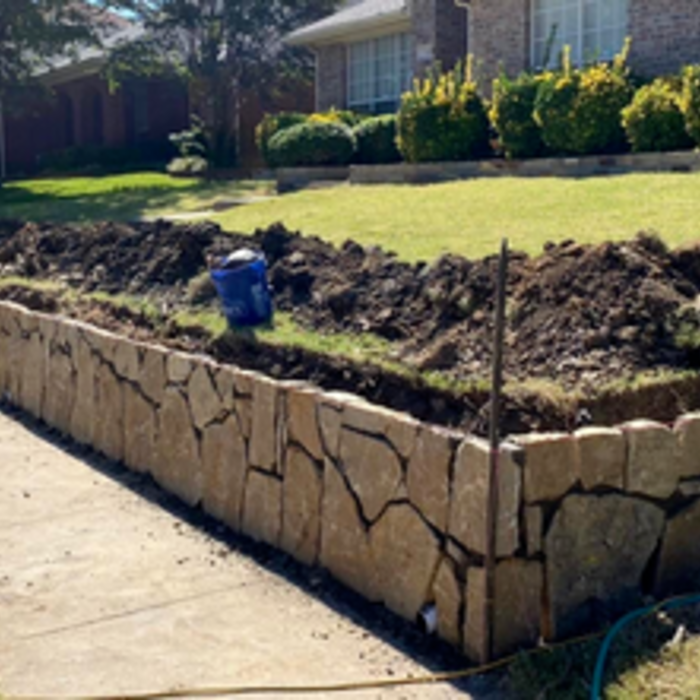
Professional installers often include a deep layer of crushed gravel under permeable pavers to allow more runoff to soak through into the soil below. Many installations will include multiple layers of gravel, with coarser aggregate at the base and finer aggregate that sits on top of that bottom layer. Above the gravel, you’ll often find coarse sand that helps reduce paver shifting over time. Some permeable paver designs include a water collection system set into the gravel layer to route runoff to a safe area for disposal.


Depending on the severity of the freeze and the method used, thawing frozen underground pipes can take anywhere from 30 minutes to several hours. Applying heat directly to the pipe using heat tape, infrared lamps, or hot water jetting can speed up the process. However, patience and careful monitoring are key to avoiding pipe damage.

Most residential basements are 8 to 10 feet deep. You can dig deeper depending on building codes, but it does become more difficult. You’ll likely need to install stronger foundation walls and additional supports to handle the increased load. Depending on the water table, you may also need a water management system. Clay soil can support a deeper foundation than sandy soil. A structural engineer will be able to tell you the maximum, feasible depth.

In the United States, a depth of 36 inches (three feet) for underground water lines is the accepted industry standard. This depth varies from location to location based on local conditions. In areas with colder winters, they may be buried deeper to prevent frozen well water pipes : This is usually at least six inches below the frost level. The International Plumbing Code calls for a minimum of 12 inches below grade.

The Arlington, TX homeowners’ guide to excavation services

From average costs to expert advice, get all the answers you need to get your job done.