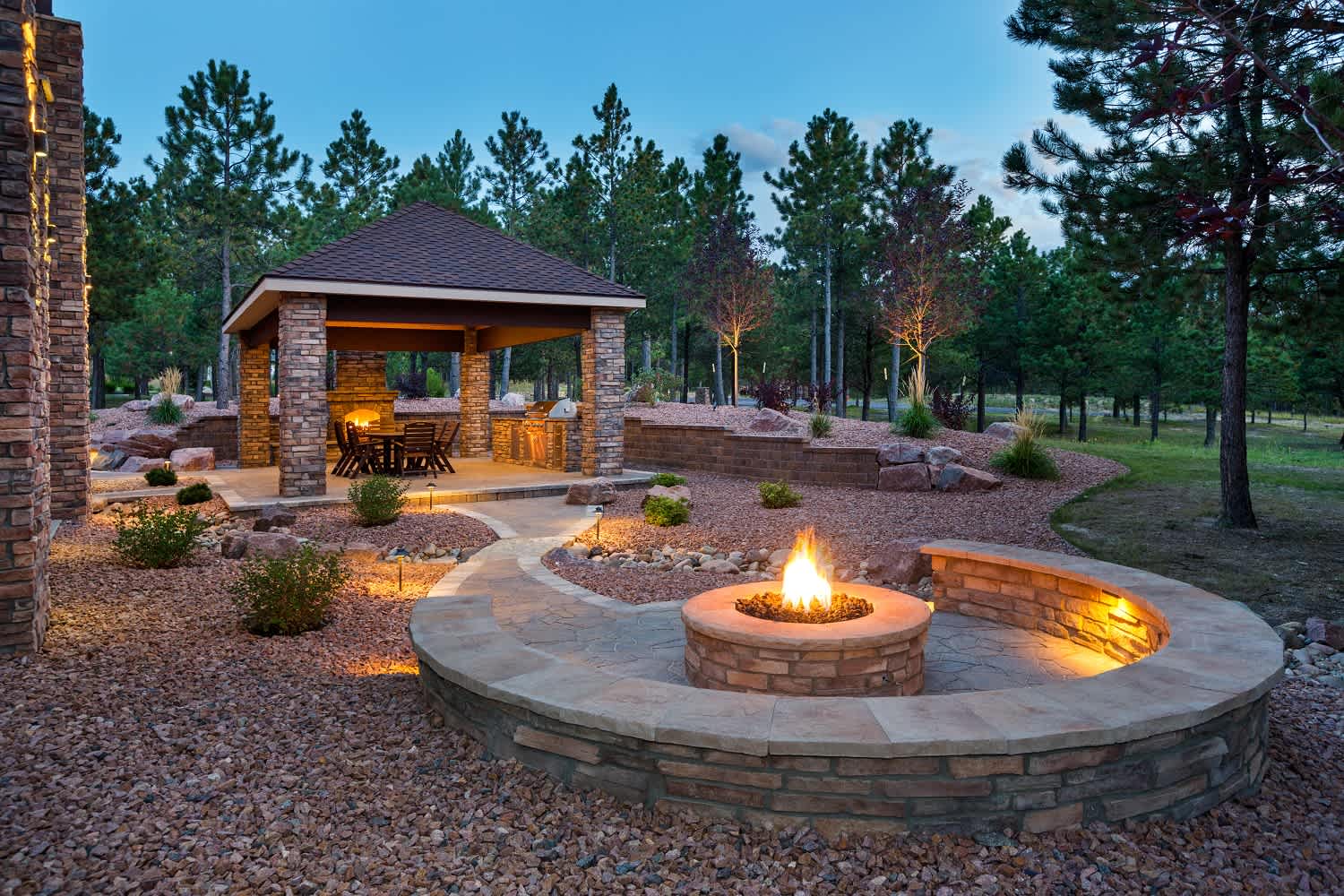








Top-rated fire pit installation pros.

Get matched with top fire pit installation pros in Dayton, TX

Enter your zip and get matched with up to 5 pros

Need a pro for your fire pit installation project in Dayton, TX?

Select your specific project to find the pro for you.

TRUSTED BY DAYTON, TX HOMEOWNERS

  • Average homeowner rating star icon4.3
    Average homeowner rating
  • Verified reviews icon183
    Verified fire pit installation services reviews

Find Fire pit installation pros in Dayton

No results for Fire pit installation pro in

Try adjusting your search criteria.
Fire Pit Installation questions, answered by experts

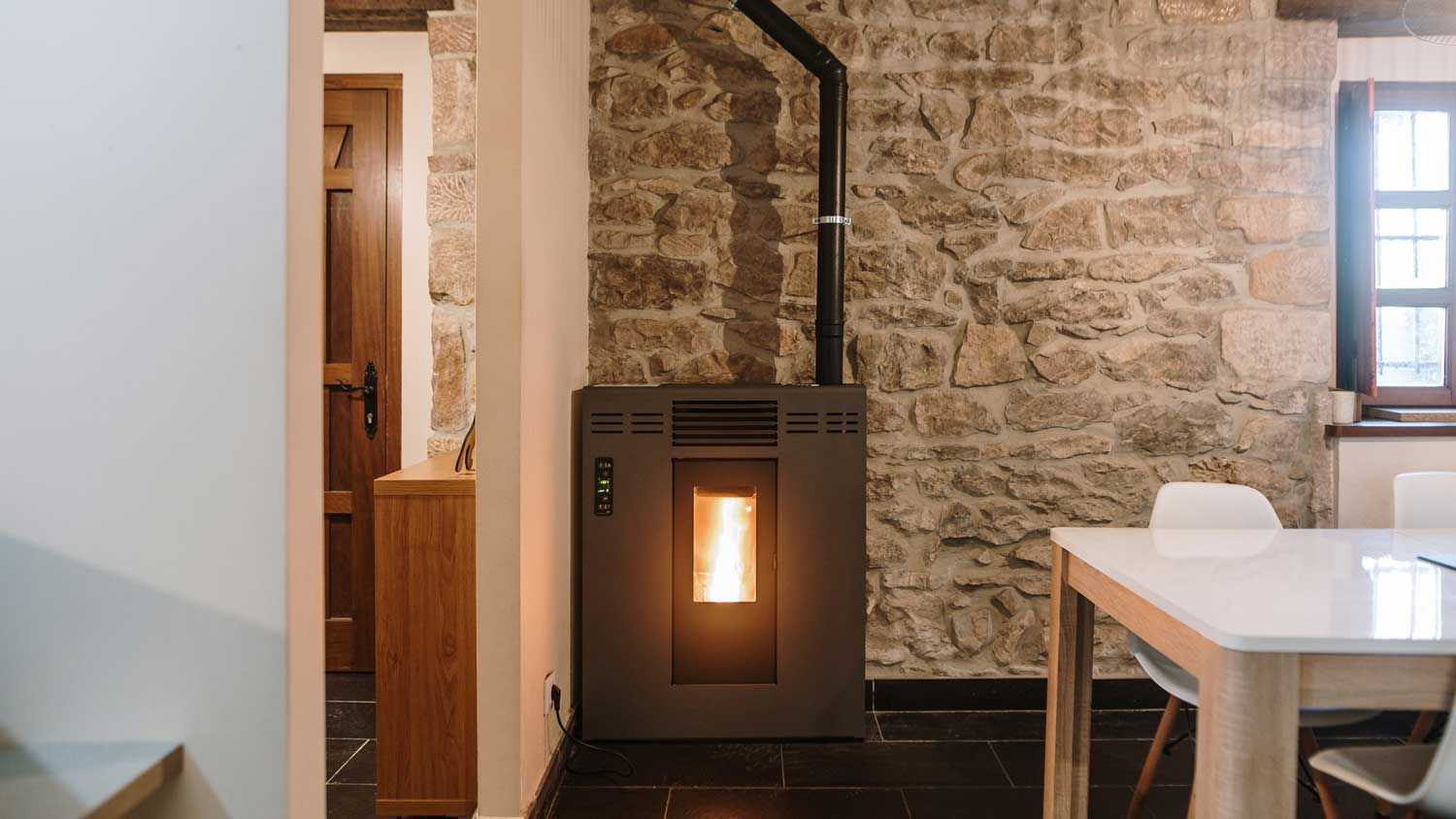
Yes, there are regulations on using wood stoves, particularly concerning emissions and installation standards. The Environmental Protection Agency (EPA) sets emission limits for wood stoves to ensure they burn cleaner and more efficiently. Additionally, local building codes may have specific requirements for installation and venting, so it's essential to check with local authorities before installing or upgrading your stove.

Yes, a hot or overheating outlet is a fire hazard and can cause a fire. An outlet becoming hot indicates an electrical problem, such as an overloaded circuit, loose connections, or a faulty component. The heat from these issues can ignite nearby flammable materials like curtains or furniture. If you notice an outlet is hot to the touch, turn off the power at the circuit breaker, unplug any connected devices, and consult a qualified electrician. If a fire does start, use a Class C fire extinguisher or baking soda to suppress it, or evacuate immediately and call the fire department.

You should have either an ABC or K-rated fire extinguisher in the kitchen. ABC fire extinguishers put out wood, trash, paper, plastic, and textile fires along with grease, oil, gas, kerosene, and electrical fires. A class K fire extinguisher is specifically rated for use in the kitchen and is designed to extinguish combustible cooking materials, including grease and fat. 

The most common causes of kitchen fires are leaving cooking food unattended, frying food with excessive amounts of oil, and leaving flammable objects near the stovetop.

You don’t have to put smoke detectors in every room. At a minimum, though, there should be one on every level of your home, one in every bedroom, and one in the hallways outside the bedrooms. If you have a floor without bedrooms, place a smoke detector in the living room or next to any stairs that lead to an upper level. Attics and basements should also have at least one smoke alarm.

The Dayton, TX homeowners’ guide to fire pit installation services

From average costs to expert advice, get all the answers you need to get your job done.