








Top-rated excavation pros.

Get matched with top excavation pros in Dayton, TX

Enter your zip and get matched with up to 5 pros

Need a pro for your excavation project in Dayton, TX?

Select your specific project to find the pro for you.

TRUSTED BY DAYTON, TX HOMEOWNERS

  • Average homeowner rating star icon4.5
    Average homeowner rating
  • Verified reviews icon47
    Verified excavation services reviews

Find Excavation pros in Dayton

Avatar for Lightning Earthwork
Lightning Earthwork
5.0(
3
)
Building Site - Preparation and Clearing - For BusinessExcavation - Major Grading or Resloping - For Business

Serving Dayton, TX and surrounding areas

Approved

In business since 2007

Free estimates

Credit card accepted

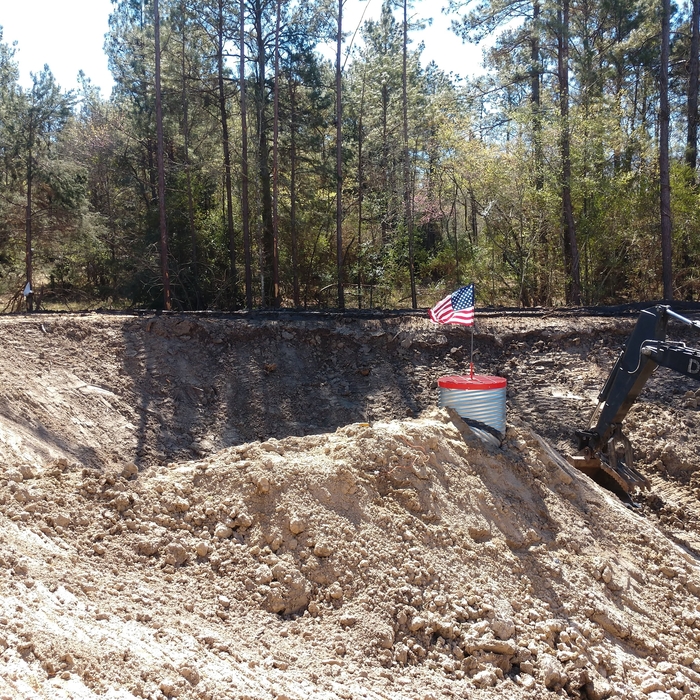
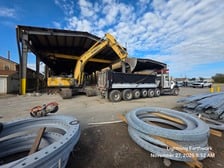
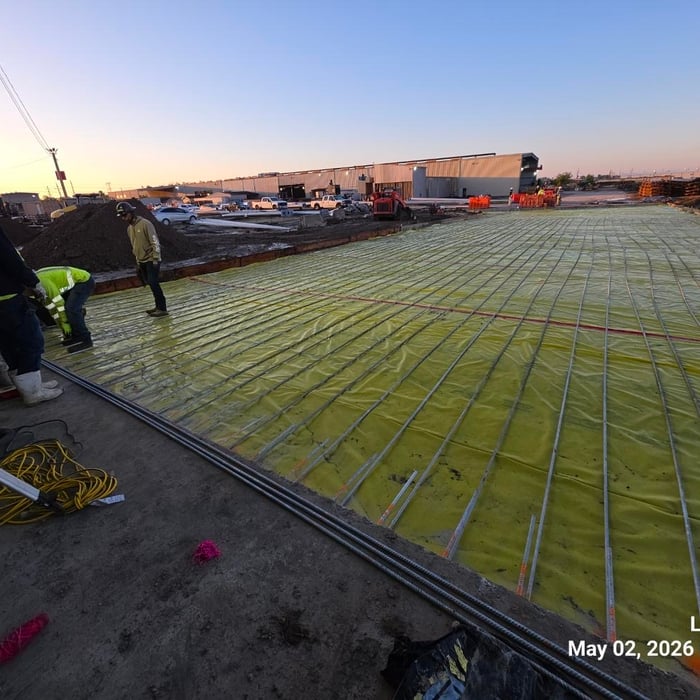
We actually self perform everything. From the initial estimate to the finished and ready for traffic product, Lightning's Concrete & Earthwork Professionals deiliver quality at a Subcontractor Direct to Consumer Price. We own (not rent) the heavy machinery, equipment, trucks, and tools. We hire train and develop all of the concrete and earthwork professionals on our team (not subcontract). We deliver direct from our warehouses from our manufacturer direct instock inventory of reinforcement of all sizes/types, concrete accessories, forming, shoring, expansion, cutting, & curing materials (not retail). We are eliminating the middleman mark up that end-users have been blind to, along with the mistakes that occur from lack of having direct contact with the ones who perform the work. We work around the customer to minimize impacts to their production in active/operating Facilities daily. We can place/pour concrete at any time on any day (Sunday included). We can Turnaround 10,000 SF of 10" thick Heavy-Duty Concrete paving w/ cement stabilization within 36 Hours (over a weekend). We strive to be the most incredible team that Concrete and Earthwork customers and competitors have ever experienced.

Valmont Coatings
Valmont Coatings
Valmont Coatings
Valmont Coatings
Valmont Coatings

+5

12 neighbors recently requested a quote
Recommended by100%of homeowners
Avatar for Proscaping of houston
Proscaping of houston
5.0(
1
)
Landscape - Minor Grading or Resloping

Serving Dayton, TX and surrounding areas

Approved

In business since 2004

Free estimates

Emergency services offered

We are committed to excellence in every aspect of our business. We uphold a standard of integrity bound by fairness, honesty, and personal responsibility. Our distinction is the quality of service we bring to our customers. Accurate knowledge of our trade combined with ability is what makes us true professionals. Above all, we are watchful of our customers' interests, and make their concerns the basis of our business.

1 neighbors recently requested a quote
...
Showing 1-10 of 186
Excavating questions, answered by experts

In the United States, a depth of 36 inches (three feet) for underground water lines is the accepted industry standard. This depth varies from location to location based on local conditions. In areas with colder winters, they may be buried deeper to prevent frozen well water pipes : This is usually at least six inches below the frost level. The International Plumbing Code calls for a minimum of 12 inches below grade.

You should dig 3 to 6 inches deep for plastic edging. Dig as wide as you need to fit your plastic edging into it—2 inches is usually sufficient.

The best way to protect tree roots is to avoid the roots entirely by excavating outside the root radius of the tree. For nearby projects, it’s a good idea to construct a temporary retaining wall. But that’s not always possible, depending on the project and the root system. In these cases, consider using alternative equipment like an auger to tunnel under the ground.

Remember, tree roots can damage nearby cement foundations as they grow. If a tree is close enough to interfere with large excavations, it may be better to remove the tree than risk future problems.

How deep your septic system needs to be into the ground depends on several factors. In extremely cold environments, the tank needs to rest below the maximum frost line, which can be up to six or eight feet deep. The standard burying depth for most systems is between a few inches and four feet below ground level. Depth can also depend on the slope of the landscaping and other property variables. 

A mini excavator can dig between 5 and 11 feet deep, depending on the type and size of the mini excavator. Mini hydraulic excavators are more powerful and can reach deeper into the earth, but electric models have a more limited range. Mini excavators over two tons in size are also more powerful and able to dig as deep as 11 feet.

The Dayton, TX homeowners’ guide to excavation services

From average costs to expert advice, get all the answers you need to get your job done.