







Top-rated excavation pros.

Get matched with top excavation pros in Bellaire, TX

Enter your zip and get matched with up to 5 pros

Need a pro for your excavation project in Bellaire, TX?

Select your specific project to find the pro for you.

TRUSTED BY BELLAIRE, TX HOMEOWNERS

  • Average homeowner rating star icon4.8
    Average homeowner rating
  • Verified reviews icon12
    Verified excavation services reviews

Find Excavation pros in Bellaire

Sonart Construction Corp.
4.8(
245
)
Building Site - Preparation and ClearingBuilding Site - Preparation and Clearing - For BusinessLandscape - Minor Grading or Resloping

Serving Bellaire, TX and surrounding areas

Approved

In business since 2013

Free estimates

Credit card accepted

"I hired Sonart Construction to remodel my sons bedroom and they did a great job. The price was very good, they was on time with their job, and it came out beautiful. Very good company."
Response time10 hrs
Response rate94%
Recommended by83%of homeowners

Avatar for H&H Escobar Property Services, LLC
H&H Escobar Property Services, LLC
4.5(
147
)
Landscape - Minor Grading or Resloping

Serving Bellaire, TX and surrounding areas

Approved

In business since 2005

Free estimates

Small jobs welcome

"The work was done in a timely fashion, despite heavy rainfalls the day before. The owner kept me updated throughout the process. I am very satisfied with the completed work. I will recommend this company to others. RB Pearland"
Flower beds cleaned
Flower beds
Our Work
Our Work
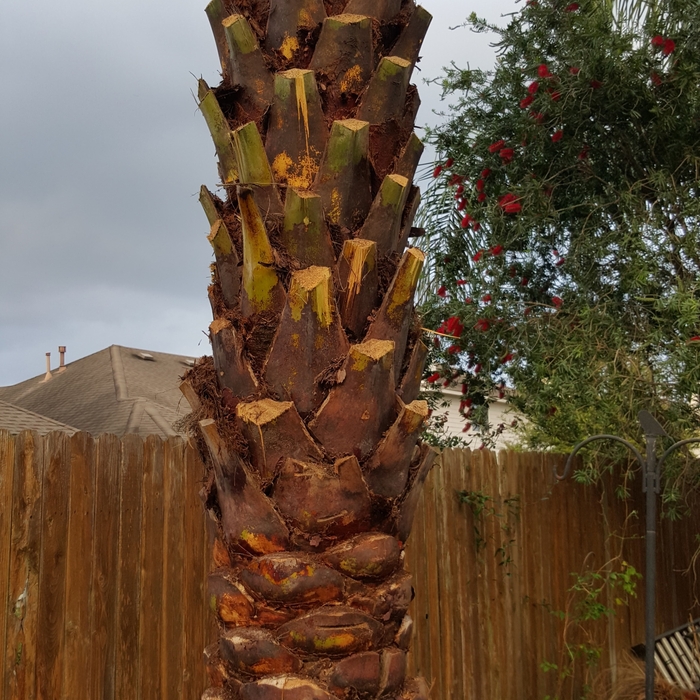
Phoenix Dactylifera Trimming

+98

Response time10 hrs
7 neighbors recently requested a quote
Recommended by96%of homeowners
...
Showing 1-10 of 422
Excavating questions, answered by experts

As a general rule, the protected area should be about 1½ times as wide as the canopy of the tree’s leaves. This digging measurement can vary by tree species and the age of the tree. Of course, that can be a lot of fencing for larger trees, which is why our first step is about making difficult decisions on which trees to save.

There is no standard depth for burying a septic tank; they are typically buried anywhere from 4 inches to 4 feet underground. The final depth depends on several factors, including the depth of your main sewer line, the height of the bedrock, soil type, local regulations, and the property's landscape. If you plan to grow grass or plants over the tank, a depth of at least 4 to 6 inches is recommended. Deeper tanks can be more difficult to locate, but a septic professional can help find it for you.

To determine whether your homeowners' insurance will cover crawl space repair, consider the cause of the issue. Repair may be covered if the problems were caused by an event that the insurance covers, such as vandalism or a windstorm. However, companies won't cover the repair if the issues are caused by neglect or wear and tear.

A trench that is less than 5 feet deep often doesn't require a protective system. Most residential trenches will not go this deep (the typical residential drainage trench is just 18 inches deep). In the event that an excavator needs to dig more than 5 feet beneath the surface, a protective system is required unless the excavation is in entirely stable rock.

Most residential basements are 8 to 10 feet deep. You can dig deeper depending on building codes, but it does become more difficult. You’ll likely need to install stronger foundation walls and additional supports to handle the increased load. Depending on the water table, you may also need a water management system. Clay soil can support a deeper foundation than sandy soil. A structural engineer will be able to tell you the maximum, feasible depth.

The Bellaire, TX homeowners’ guide to excavation services

From average costs to expert advice, get all the answers you need to get your job done.