






Top-rated welders.

Best welders near Spring Hill, TN

Enter your zip and get matched with up to 5 pros

Need a pro for your welding project in Spring Hill, TN?

Select your specific project to find the pro for you.

Top-Rated Welders in Spring Hill - Updated Nov 2026

Avatar for 3D Custom Welding
3D Custom Welding
4.6(
35
)
Metal Stairs and Railings - RepairMetal Structure or Object - Weld or CutMetal Structure or Object - Create Custom+3 more

Serving Spring Hill, TN and surrounding areas

Approved

In business since 2020

Free estimates

Credit card accepted

"Rich did a welding job for me on a metal chair. He was easy to talk to at the beginning and end of the job. While he had my chair, there was a delay in getting it done due to him not having the right tool with him. Once I told him that I was disappointed by the delay, he said that he misunderstood the time frame and then worked to make it right. So just make sure to be clear on the time expectation and you should be fine. Good handiwork!"

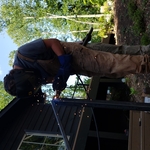
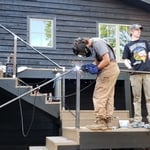
Lake House
Lake House
Lake House
Lake House
Lake House

+9

Response time1 day
Response rate93%
8 neighbors recently requested a quote

Avatar for KLB Welding Service, LLC
KLB Welding Service, LLC
4.9(
9
)
Metal Stairs and Railings - RepairMetal Structure or Object - Weld or Cut

Serving Spring Hill, TN and surrounding areas

In business since 2008

Free estimates

Emergency services offered

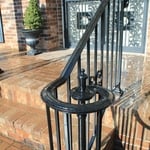
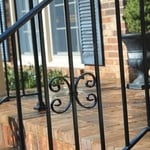
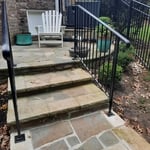
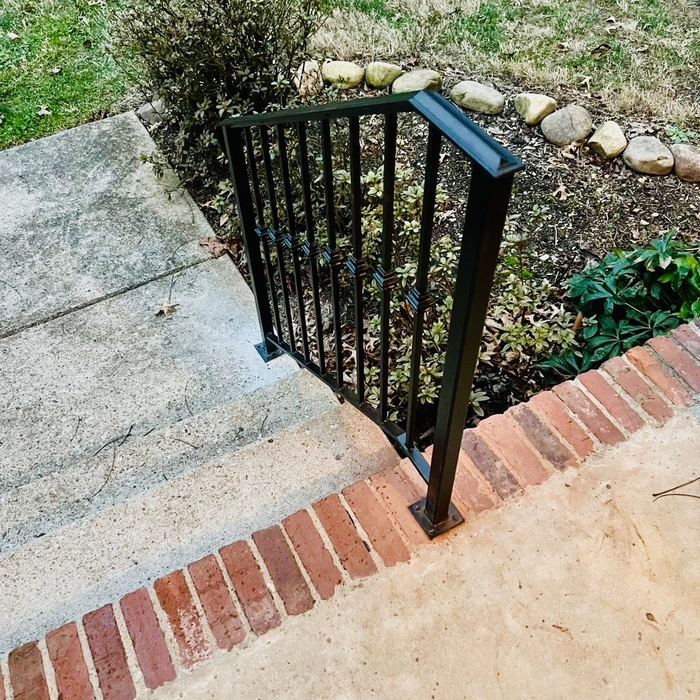
"I only need a rail for two small steps for my handicapped Aunt and thought it would look funny because of the small size. But, KLB did a wonderful job and the railing looks beautiful. Also, the service was very fast and curtesy. I nwould nrecommend KLB Welding to anyone looking for porch or stair railings."
Handrail
Handrail
Handrail
Handrail Lambs Tongue
Hatcher

+26

Response time1 hour
Recommended by100%of homeowners
...
Showing 1-10 of 73
Welding FAQs, answered by experts

You should not do your own welding unless you have the proper training and experience. Most home electrical systems can only handle MIG welding, which creates weaker bonds than TIG welding and won’t work on certain metals or metal thicknesses. Both welding forms usually require the use of shielding gas, which can be dangerous to store at home. Additionally, welding machines create temperatures of over 3,000 degrees, and the sparks can blind you if you don’t have the proper equipment. As such, it’s usually better to hire a professional welder for your welding projects.

There are a few things you can ask welders before you hire them to get an idea of their experience and ability levels:

  • Are you licensed and certified?

  • How long have you been in the welding business?

  • Do you commonly do the type of welding I need?

  • Do you offer any kind of warranty for your work?

  • Do you charge by the hour or by the project?

  • How long do you expect my welding project to take?

  • What steps do you take to minimize errors in your work?

Choosing the right metal fabricator for your project begins with research. Find a reputable fabrication company by searching for reputable contractors in your area, and then reviewing photos of their previous work, customer reviews, and photos of the company’s workshop.

Once you’ve narrowed down the list, contact the companies to ask about the types of metal fabrication projects they specialize and inquire about guarantees and warranties on workmanship. You should also ensure the company uses high-quality material, and ask about the schedule and turnaround time for your proposed project.

Cutting round ductwork requires precision and the right tools. A duct cutter, specifically designed for circular ducts, is ideal. First, mark the cutting line on the duct using a measuring tape and pencil. Then, position the duct cutter's blade on the marked line. Apply steady pressure, rotating the cutter around the duct. The sharp blade creates a clean, precise cut. Alternatively, a reciprocating saw with a metal-cutting blade can be used for larger round ducts. Ensure the duct is securely held in place while making the cut to prevent slips and maintain accuracy.

Cutting rectangular ductwork requires careful measurements and the right technique. Use a measuring tape and pencil to mark the cutting lines accurately. Tin snips are excellent for straight cuts on smaller ducts. For more extensive or thicker rectangular ducts, a reciprocating saw with a metal-cutting blade is effective. 

Ensure the duct is well-supported and secure while cutting to prevent wobbling and maintain precision. After cutting, use a metal file to smooth any sharp edges, ensuring safety during installation. 

The Spring Hill, TN homeowners’ guide to welding services

From average costs to expert advice, get all the answers you need to get your job done.