



Top-rated welders.

Best welders near Forest Hills, TN

Enter your zip and get matched with up to 5 pros

Need a pro for your welding project in Forest Hills, TN?

Select your specific project to find the pro for you.

TRUSTED BY FOREST HILLS, TN HOMEOWNERS

  • Average homeowner rating star icon4.6
    Average homeowner rating
  • Verified reviews icon18
    Verified welding services reviews

Top-Rated Welders in Forest Hills - Updated Nov 2026

Avatar for Masonry Mata
Masonry Mata
3.9(
147
)
Wrought Iron Fence - Repair or Weld

Serving Forest Hills, TN and surrounding areas

Approved

In business since 2014

Free estimates

Emergency services offered

"Augustin did a great job on our flagstone porches. Very hard worker and very prompt! He was good about asking me first what I wanted before he did it. I would recommend him for any stone work job. He is excellent!!"
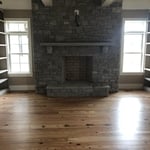
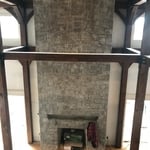
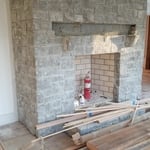
Chimney
Chimney
Chimney
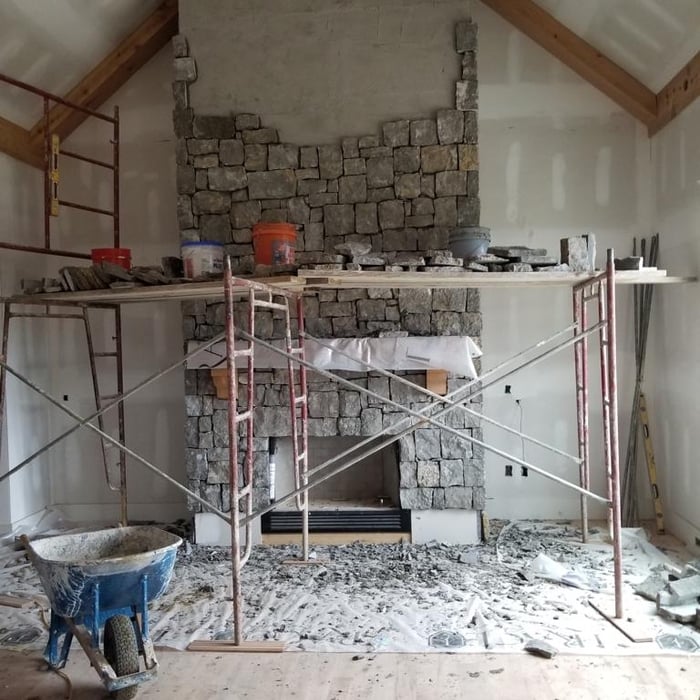
Chimney in process
Chimney in process

+31

Response time7 hrs
106 neighbors recently requested a quote
Recommended by81%of homeowners
Avatar for Branded Fence Company
Branded Fence Company
4.6(
9
)
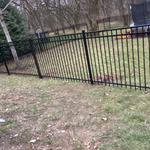
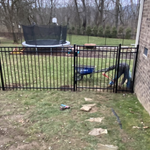
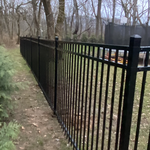
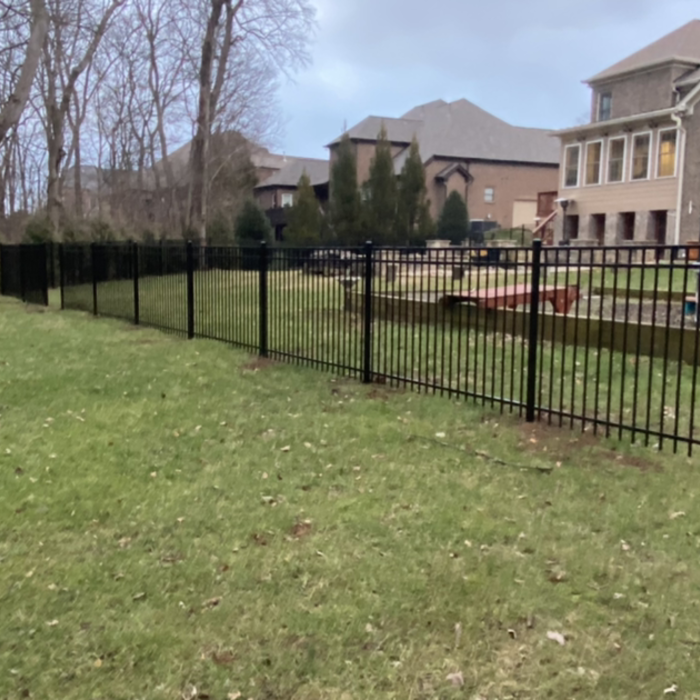
Wrought Iron Fence - Repair or Weld

Serving Forest Hills, TN and surrounding areas

Approved

In business since 2025

Free estimates

Credit card accepted

"Tony did an amazing job replacing a fence in our backyard. His attention to detail was a definite upgrade from our previous fence replacement experiences. I’d definitely recommend him to family and friends."
Gallery
9 neighbors recently requested a quote

...
Showing 1-10 of 125
Welding FAQs, answered by experts

The cost to weld aluminum averages about $14 to $22 per pound. The type of metal factors into the overall cost of any welding project due to the cost of the materials and the expertise required to work with it. Some of the most common metals used by welders include:

  • Magnesium alloy: $7–$16 per pound

  • Low-carbon steel: $11–$12 per pound

  • Stainless steel: $13–$15 per pound

  • Copper/brass: $24–$29 per pound

  • Cast iron: $38–$79 per pound

  • Titanium: $60–$85 per pound

Cutting rectangular ductwork requires careful measurements and the right technique. Use a measuring tape and pencil to mark the cutting lines accurately. Tin snips are excellent for straight cuts on smaller ducts. For more extensive or thicker rectangular ducts, a reciprocating saw with a metal-cutting blade is effective. 

Ensure the duct is well-supported and secure while cutting to prevent wobbling and maintain precision. After cutting, use a metal file to smooth any sharp edges, ensuring safety during installation. 

Cutting round ductwork requires precision and the right tools. A duct cutter, specifically designed for circular ducts, is ideal. First, mark the cutting line on the duct using a measuring tape and pencil. Then, position the duct cutter's blade on the marked line. Apply steady pressure, rotating the cutter around the duct. The sharp blade creates a clean, precise cut. Alternatively, a reciprocating saw with a metal-cutting blade can be used for larger round ducts. Ensure the duct is securely held in place while making the cut to prevent slips and maintain accuracy.

Welding is the process of using extreme heat—and, sometimes, pressure—to attach two pieces of metal. In contrast, metal fabrication is a more involved process that can include welding, sheet metal work, bending, and other forms of metal manipulation. Metal fabrication is a large-scale project that may or may not involve welding, while welding is more often a step in larger fabrication projects.

This all depends on the tools you have on hand and whether you’re trying to cut a straight line or shapes. 

The best tool to use for straight lines is either a circular saw or table saw. When cutting shapes, a jigsaw will be the easiest and most precise tool to use. 

The Forest Hills, TN homeowners’ guide to welding services

From average costs to expert advice, get all the answers you need to get your job done.