





Top-rated drywall pros.

Best drywall pros near Kimmins, TN

Enter your zip and get matched with up to 5 pros

Need a pro for your drywall service project in Kimmins, TN?

Select your specific project to find the pro for you.

TRUSTED BY KIMMINS, TN HOMEOWNERS

  • Average homeowner rating star icon4.2
    Average homeowner rating
  • Verified reviews icon11
    Verified drywall services reviews

Top-Rated Drywall pros in Kimmins - Updated Nov 2026

Madison Drywall
4.5(
2
)
Drywall - InstallDrywall - Repair - For Business

Serving Kimmins, TN and surrounding areas

Approved

In business since 2020

Free estimates

Offers commercial services

"He is absolutely one of the most honest contractors I've worked with, and has a lot of integrity. He's personable, responsive, and does great work. I can not say enough nice things about him. He's in the top 5 contractors I've had the pleasure to do business with over the last 20 years that I have been in the manufacturing business, maybe my lifetime!"
Recommended by100%of homeowners
DB Drywall Finishing
4.8(
109
)
Drywall - RepairDrywall - Repair - For Business

Serving Kimmins, TN and surrounding areas

In business since 1982

Free estimates

Emergency services offered

"Dan is in the process of doing drywall repair in a rental house we own in Franklin,he is easy to talk with has many years of experience, referrals from other people helped making decision to use him. He should be finished in couple of days look forward to see the finished job.Update 8/28/21 to previous review Dan did project as requested,reasonable price,reasonable time,but when we finally painted what was repaired found many pin holes in finished drywall mud that show after paint is dry,have gone over these areas several times with paint still show. I have to change my 5.0 star to 3.0 star because of this. Other wise was good."
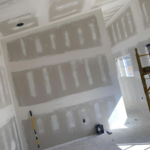
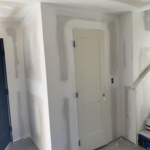
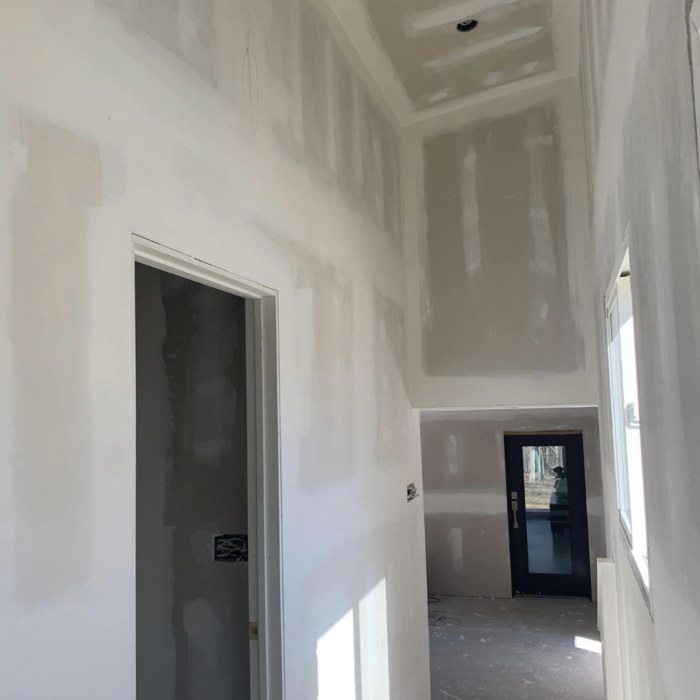
 New Sheet rock around new window and spackled
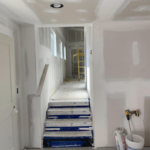
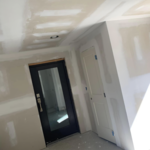
 New home construction
 Habitat for Humanity
More work done.
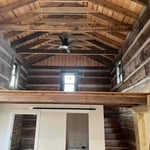
 second floor loft

+12

Recommended by100%of homeowners
...
Showing 1-10 of 85
Drywall FAQs, answered by experts

It's generally recommended to hang drywall on the ceiling first before moving on to the walls. This sequence allows the ceiling sheets to provide support for the vertical wall sheets. By attaching the ceiling drywall initially, you establish a solid framework to align and attach the wall panels accurately. This method ensures a seamless and sturdy connection between the ceiling and walls, resulting in a more professional finish.

Although they are used for similar tasks, spackle and joint compound are not the same. Joint compound, also known as drywall mud, consists of limestone and gypsum and is primarily used for large-scale projects like taping and finishing seams on new drywall. Spackle is composed of gypsum and binding agents, making it a thicker compound best suited for small wall repairs like filling nail holes or cracks, as it dries quickly and is easy to sand. For small repairs, either product can be suitable. However, you can use joint compound for small jobs in place of spackle, but you cannot use spackle for large-scale taping and mudding projects.

In most cases, no, you won’t need a permit to replace drywall. If you’re changing the floorplan of your home by adding or removing walls during the drywall project, then you might need a permit, but replacement or repairs usually doesn’t require a permit. Your drywall professional should be able to confirm whether or not a permit is required for your project. If it is, it’s likely to add between $50 and $150 to your total cost. Keep in mind that you will need permits if you plan to install new electrical wiring or plumbing lines behind your new drywall.

Whether it’s better to screw or glue drywall depends on your specific budget and project timeline. Professional drywall installers are more likely to use screws and fasteners than adhesives, but it takes longer. But if you are DIYing your drywall installation, glue is a perfectly fine choice if you’re willing to pay extra for adhesive.

The time it takes for thinset to dry is determined by your room’s ambient temperature and humidity levels. Assuming the average humidity level is around 40% with an average temperature of 70 degrees Fahrenheit, thinset can dry within 48 hours. Lower temperatures and higher humidity can extend the curing process beyond 72 hours, while high heat and zero humidity can shorten the curing process. However, thinset can crack if it dries too fast.

The Kimmins, TN homeowners’ guide to drywall services

From average costs to expert advice, get all the answers you need to get your job done.